Skip to content

Beijing · Attraction

Forbidden City (Palace Museum)

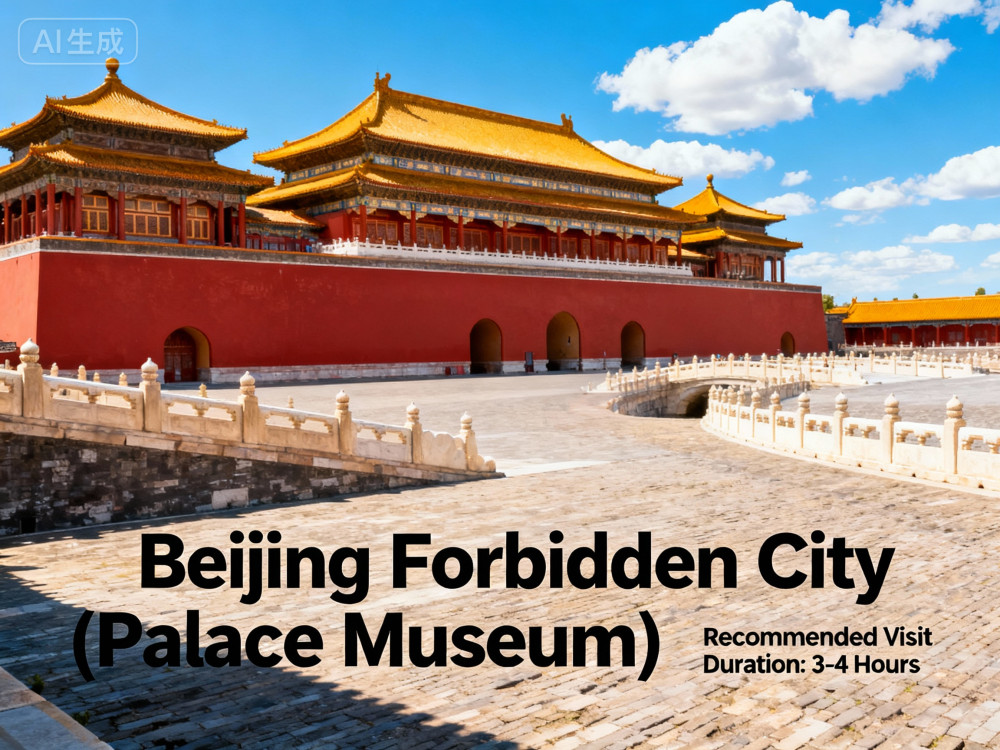
The Forbidden City, now known as the Palace Museum, is a UNESCO World Heritage Site and the world's largest palace complex, serving as the imperial palace for 24 emperors during the Ming and Qing dynasties.

BeijingIn the destination guideBeijingExplore
Forbidden City (Palace Museum)
Beijing, ChinaField notes · Attraction
BeijingUNESCOImperial PalaceMing Dynasty

Why go

About Forbidden City (Palace Museum)

Located at the heart of Beijing, the Forbidden City is a masterpiece of traditional Chinese palatial architecture. It consists of 980 buildings with over 8,700 rooms, surrounded by a wide moat and a high wall. The complex is divided into the Outer Court for ceremonial purposes and the Inner Court for the emperor's residence and daily affairs.

It houses an immense collection of artifacts and treasures from the imperial collections.

Make time for

Practical ideas, not a checklist

  1. 01Explore the magnificent Hall of Supreme Harmony
  2. 02Visit the Palace of Heavenly Purity in the Inner Court
  3. 03Walk along the high red walls and through the grand gates
  4. 04See the imperial gardens at the north end
  5. 05View the extensive collections in the Palace Museum exhibitions

Good to know

Built
1406-1420
Architectural Style
Chinese Palatial
UNESCO Designation
1987
Area
720,000 square meters

More in Beijing

Keep the day
unfolding.

Quanjude Roast Duck RestaurantBeijing

Quanjude Roast Duck Restaurant

Quanjude is the most famous Peking Duck restaurant in the world, known for its meticulous preparation using open-wood fire ovens and time-honored recipes passed down through generations. The restaurant offers an authentic imperial dining experience.

Cultural StudioBeijing

Cultural Studio

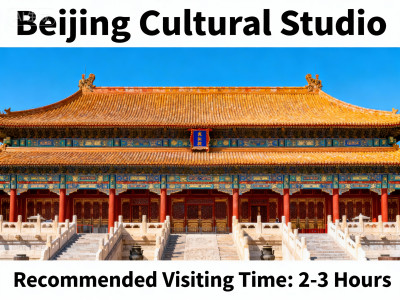
Cultural Studio is a unique destination in Beijing that offers visitors an authentic and interactive experience of traditional Chinese culture. Located in the heart of the city, this studio provides a comprehensive introduction to various aspects of Chinese heritage including calligraphy, painting, pottery, paper cutting, and traditional music. The studio is designed as both an educational space and a creative workshop where visitors can learn directly from master artisans who have dedicated their lives to preserving these ancient arts. The environment combines traditional Chinese aesthetics with modern facilities, creating a perfect setting for cultural immersion. Visitors can participate in guided workshops, watch live demonstrations, and create their own cultural artifacts to take home as meaningful souvenirs. The studio also features a gallery showcasing exquisite works by contemporary Chinese artists who are keeping traditional techniques alive while adding modern interpretations. This is not just a tourist attraction but a living cultural institution that bridges the gap between ancient traditions and contemporary appreciation.

Artisan WorkshopBeijing

Artisan Workshop

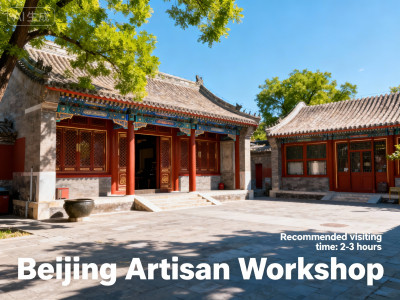
Nestled in the historic hutongs of Beijing, the Artisan Workshop offers visitors a unique opportunity to step into the world of traditional Chinese craftsmanship. This immersive cultural experience center showcases the living heritage of China's artisan traditions, from intricate cloisonné enamel work and delicate porcelain painting to traditional woodblock printing and silk embroidery. The workshop is housed in a beautifully restored courtyard residence that dates back to the Qing Dynasty, providing an authentic atmosphere for learning about China's rich artistic legacy. Master craftsmen and women, many from families with generations of experience, guide visitors through the processes that have defined Chinese art for centuries. The workshop not only preserves these endangered skills but also makes them accessible to international visitors through hands-on sessions, demonstrations, and cultural storytelling. Each activity is designed to connect participants with the philosophical and aesthetic principles underlying Chinese art, from the harmony of yin and yang to the balance of form and function.