 Tourism Guide
Great Wall Pathway
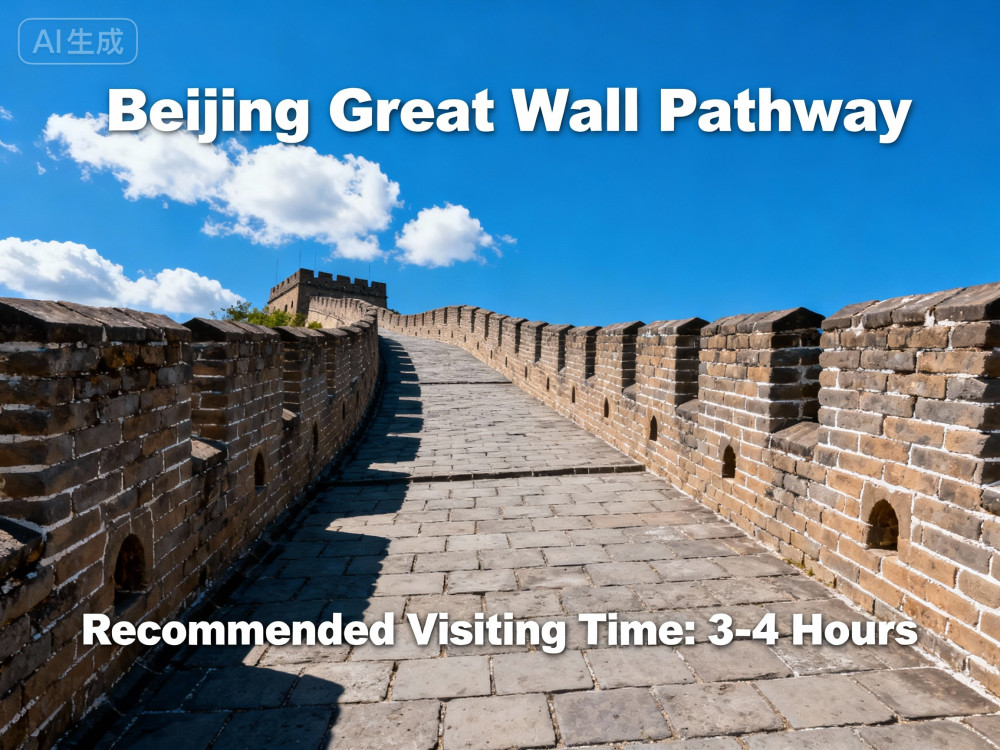
The Great Wall Pathway offers an immersive journey along one of the worlds most iconic historical structures where ancient Chinese military engineering meets breathtaking natural landscapes
Key Information
UNESCO World Heritage Status
1987
Total Length
21196 km 13170 miles
Construction Period
7th century BC to 17th century AD
Main Materials
Stone brick tamped earth wood
Best Time to Visit
April to June and September to October
Most Popular Section
Badaling
Most Photogenic Section
Jiankou
Highest Point
Huanglouyuan 1439 meters
Historical Purpose
Military defense trade route control immigration
About Great Wall Pathway
The Great Wall Pathway represents the quintessential Chinese cultural experience tracing the footsteps of emperors soldiers and merchants across centuries of history Stretching across rugged mountain ridges this UNESCO World Heritage site showcases the architectural brilliance of ancient China with its watchtowers battlements and strategic fortifications Originally constructed to protect Chinese states and empires from nomadic invasions the wall now stands as a symbol of national pride and human achievement The pathway winds through diverse landscapes from steep mountain passes to rolling hills offering panoramic views that change with the seasons Each section tells a unique story from the wellrestored Badaling to the wilder more authentic Jiankou where nature and history intertwine Visitors can feel the weight of history in every stone while marveling at the engineering that has withstood the test of time
Things to Do
- Hike along the ancient wall sections experiencing different architectural styles from various dynasties
- Photograph the iconic serpentine wall winding through mountains especially at sunrise or sunset
- Visit watchtowers to understand the military strategy and communication systems of ancient China
- Explore the Mutianyu section with its cable car option and toboggan ride for a unique descent
- Walk the wild Jiankou section known as the most photogenic and challenging part of the wall
- Learn about wall construction techniques at the Great Wall Museum near Badaling
- Experience local culture by visiting nearby villages that have coexisted with the wall for centuries
- Try traditional Chinese hiking snacks and tea at mountain rest stops along the pathway