 Tourism Guide
Jingshan Park
Jingshan Park is a beautiful imperial garden located directly north of the Forbidden City in central Beijing offering the best panoramic view of the ancient palace complex and modern Beijing skyline
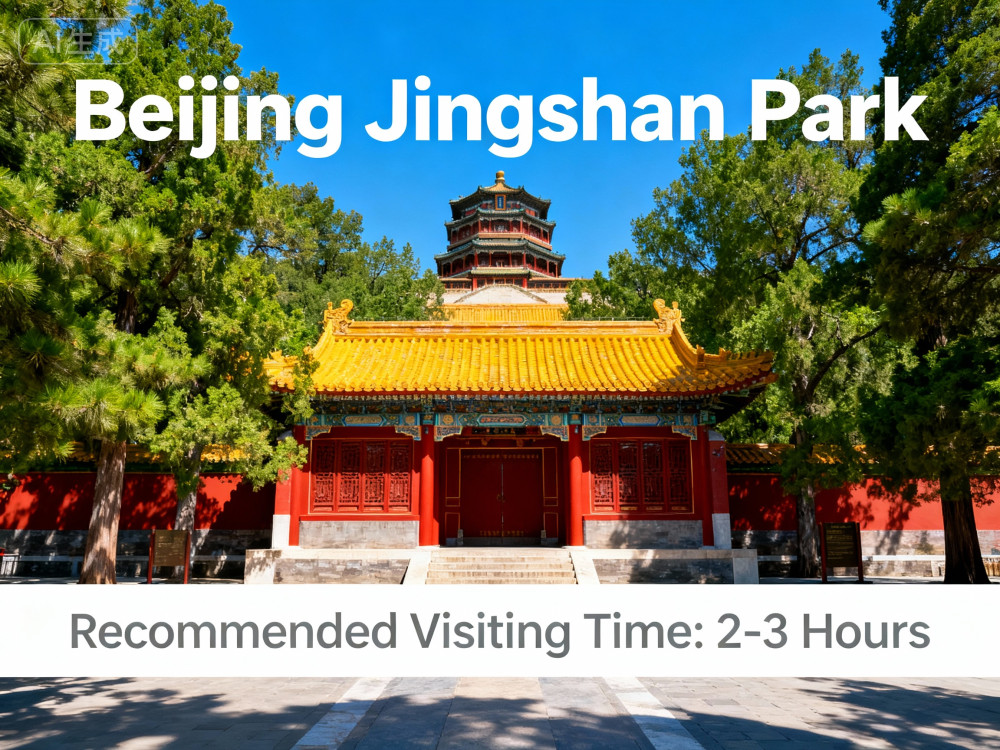
Key Information
Built
Ming Dynasty 1420
Area
57 acres
Highest Point
45.7 meters
Main Feature
Five Hilltop Pavilions
Best Time to Visit
April to October
UNESCO Status
Part of Imperial Palaces World Heritage Site
Historical Significance
Site of Last Ming Emperors Death
Peony Varieties
Over 200 species
About Jingshan Park
Things to Do
- Climb to the top of Jingshan Hill for panoramic views of the Forbidden City
- Visit the five pavilions each offering different perspectives of Beijing
- Explore the beautiful peony garden especially stunning in spring
- Walk through the ancient cypress trees some over 800 years old
- Enjoy traditional Chinese music performances in the park
- Photograph the symmetrical layout of the Forbidden City from above
- Visit the site where Emperor Chongzhen hanged himself
- Experience the parks vibrant atmosphere during sunrise or sunset
- Attend seasonal flower exhibitions particularly peonies in AprilMay
- Join local residents practicing tai chi and other traditional exercises
Related Guides
Imperial Beijing A Cultural Journey Through History, Philosophy, and Living Traditions
This carefully curated cultural tour takes you deep into the heart of China's imperial history, from the magnificent Forbidden City to the spiritual tranquility of ancient temples. Experience the living traditions of Beijing through its hutongs, tea ceremonies, and performing arts, while discovering the philosophical foundations of Chinese civilization through Confucianism, Buddhism, and Taoism. Each day reveals a different facet of Beijing's cultural tapestry, blending monumental architecture with intimate cultural encounters.
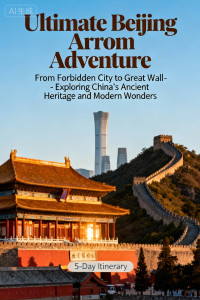
Ultimate Beijing Adventure From Forbidden City to Great Wall - Exploring China's Ancient Heritage and Modern Wonders
This comprehensive Beijing tour takes you through the citys most iconic landmarks from the majestic Forbidden City to the engineering marvel of the Great Wall Experience the rich tapestry of Chinese history culture and cuisine while exploring both ancient traditions and modern developments
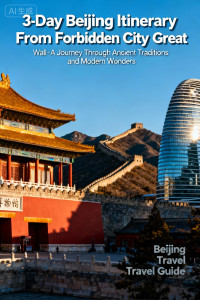
3-Day Beijing Itinerary From Forbidden City to Great Wall - A Journey Through Ancient Traditions and Modern Wonders
This carefully crafted 3day itinerary takes you through Beijings most iconic landmarks starting with the magnificent Forbidden City and Tiananmen Square then exploring the ancient hutongs and Temple of Heaven before culminating with the breathtaking Great Wall Experience traditional tea ceremonies savor authentic Peking duck and witness the harmonious coexistence of ancient traditions and modern innovation in Chinas capital city