 Tourism Guide
Ming Tombs
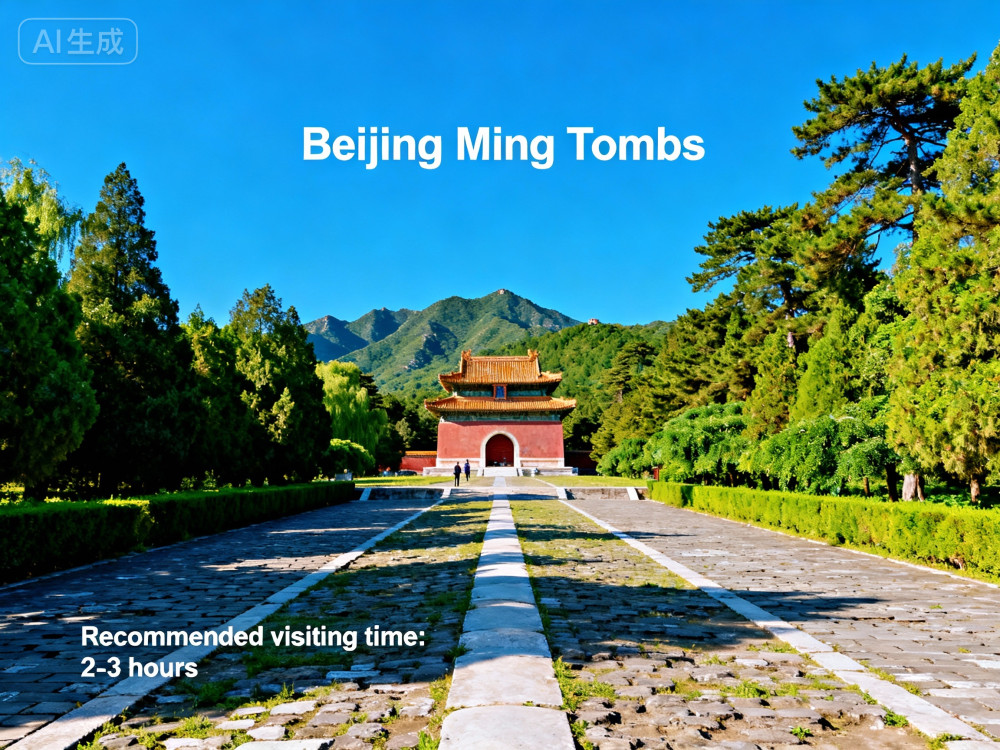
The Ming Tombs are the magnificent burial grounds of 13 emperors of the Ming Dynasty, representing one of the best-preserved imperial tomb complexes in China and a UNESCO World Heritage Site
Key Information
UNESCO World Heritage
Yes
Construction Period
1409-1644
Dynasty
Ming Dynasty
Number of Tombs
13
Area
Over 40 square kilometers
Best Time to Visit
April to October
Accessibility
Partially wheelchair accessible
Photography
Allowed except in some indoor areas
About Ming Tombs
Nestled at the foot of Tianshou Mountain in Changping District, the Ming Tombs form a sacred valley of imperial burial sites spanning over 40 square kilometers. This grand necropolis served as the final resting place for 13 of the 16 Ming Dynasty emperors who ruled China from 1368 to 1644. The tombs are masterfully arranged according to Feng Shui principles, with the mountains providing protection and the valley offering tranquility. The complex follows a traditional Chinese architectural layout with a sacred way leading to each tomb, featuring stone statues of animals and officials guarding the eternal sleep of emperors. Only three tombs are open to the public: Changling, Dingling, and Zhaoling, each offering unique insights into Ming Dynasty burial customs, imperial architecture, and Chinese cosmology.
Things to Do
- Walk along the Sacred Way with its impressive stone statues of mythical animals and officials
- Explore the underground palace of Dingling Tomb
- the only excavated Ming tomb
- Visit Changling Tomb
- the largest and best-preserved tomb complex
- Admire the intricate marble thrones and burial chambers in the underground palace
- Learn about Ming Dynasty burial rituals and imperial customs
- Take photos with the iconic stone elephants
- camels
- and lions along the Sacred Way
- Visit the Ming Tombs Museum to see artifacts and learn about excavation history
- Enjoy the peaceful mountain scenery surrounding the tomb complex