Skip to content

Beijing · Attraction

Mutianyu Great Wall

One of the best preserved and most scenic sections of the Great Wall located in Huairou District

BeijingIn the destination guideBeijingExplore
Mutianyu Great Wall
Beijing, ChinaField notes · Attraction
BeijingGreat WallHistorical SiteUNESCO

Why go

About Mutianyu Great Wall

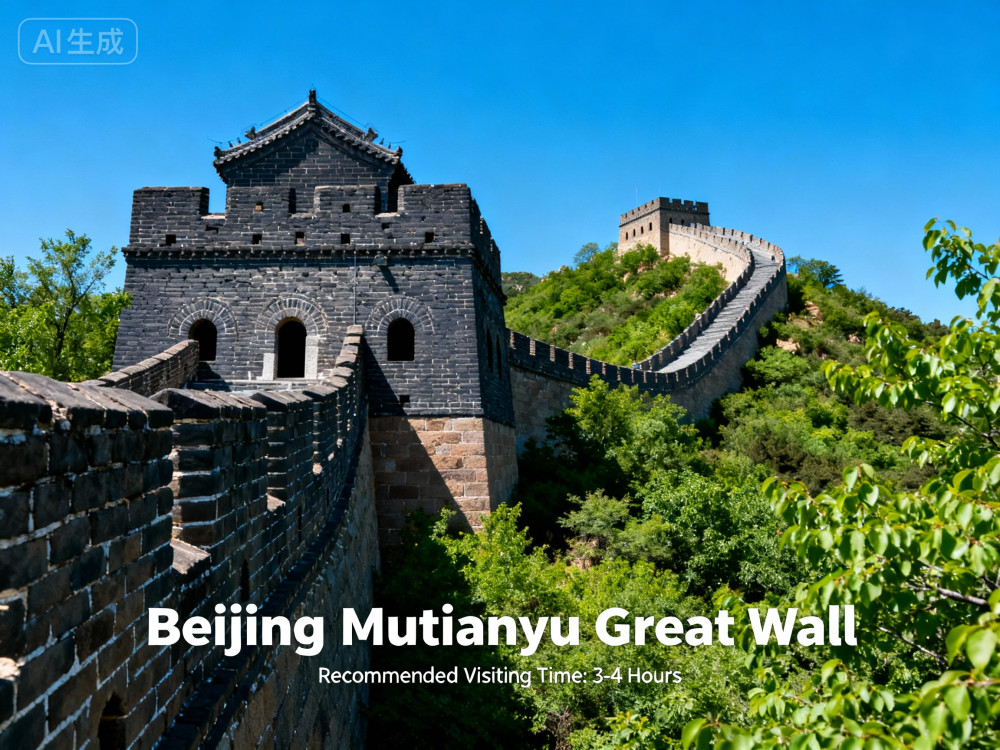
Mutianyu Great Wall is a magnificent section of the Great Wall located approximately 70 kilometers northeast of Beijing. Built during the Northern Qi Dynasty (550-577) and reconstructed during the Ming Dynasty (1368-1644), this section features unique architectural elements including watchtowers, battlements, and crenellations. The wall stretches for 2.

5 kilometers with 22 watchtowers, offering breathtaking views of the surrounding mountains and valleys. Unlike other sections, Mutianyu is characterized by its unique double-sided battlements, allowing defenders to fire from both sides. The wall is beautifully restored while maintaining its historical authenticity, making it less crowded than Badaling but equally impressive.

The area is surrounded by lush forests, especially stunning during autumn when the leaves turn vibrant colors.

Make time for

Practical ideas, not a checklist

  1. 01Take the cable car or chairlift to the wall for panoramic views
  2. 02Walk along the restored wall sections between watchtowers
  3. 03Climb the steep steps to experience the wall's defensive architecture
  4. 04Take photos at the highest watchtower with sweeping mountain views
  5. 05Visit the Great Wall Museum at the entrance to learn about construction history
  6. 06Try toboggan ride down from the wall for an exciting descent
  7. 07Explore the surrounding Huairou countryside and traditional villages
  8. 08Enjoy local cuisine at restaurants near the entrance area

Good to know

Construction Period
Originally built 550-577 AD, rebuilt 1368-1644
Length
2.5 kilometers with 22 watchtowers
Elevation
500-1000 meters above sea level
UNESCO Status
World Heritage Site since 1987
Best Time to Visit
April-May and September-October
Special Feature
Double-sided battlements for defense
Accessibility
Cable car, chairlift, and walking paths available

More in Beijing

Keep the day
unfolding.

Quanjude Roast Duck RestaurantBeijing

Quanjude Roast Duck Restaurant

Quanjude is the most famous Peking Duck restaurant in the world, known for its meticulous preparation using open-wood fire ovens and time-honored recipes passed down through generations. The restaurant offers an authentic imperial dining experience.

Cultural StudioBeijing

Cultural Studio

Cultural Studio is a unique destination in Beijing that offers visitors an authentic and interactive experience of traditional Chinese culture. Located in the heart of the city, this studio provides a comprehensive introduction to various aspects of Chinese heritage including calligraphy, painting, pottery, paper cutting, and traditional music. The studio is designed as both an educational space and a creative workshop where visitors can learn directly from master artisans who have dedicated their lives to preserving these ancient arts. The environment combines traditional Chinese aesthetics with modern facilities, creating a perfect setting for cultural immersion. Visitors can participate in guided workshops, watch live demonstrations, and create their own cultural artifacts to take home as meaningful souvenirs. The studio also features a gallery showcasing exquisite works by contemporary Chinese artists who are keeping traditional techniques alive while adding modern interpretations. This is not just a tourist attraction but a living cultural institution that bridges the gap between ancient traditions and contemporary appreciation.

Artisan WorkshopBeijing

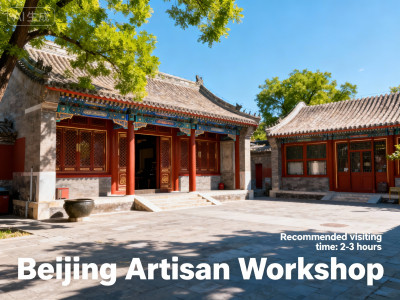
Artisan Workshop

Nestled in the historic hutongs of Beijing, the Artisan Workshop offers visitors a unique opportunity to step into the world of traditional Chinese craftsmanship. This immersive cultural experience center showcases the living heritage of China's artisan traditions, from intricate cloisonné enamel work and delicate porcelain painting to traditional woodblock printing and silk embroidery. The workshop is housed in a beautifully restored courtyard residence that dates back to the Qing Dynasty, providing an authentic atmosphere for learning about China's rich artistic legacy. Master craftsmen and women, many from families with generations of experience, guide visitors through the processes that have defined Chinese art for centuries. The workshop not only preserves these endangered skills but also makes them accessible to international visitors through hands-on sessions, demonstrations, and cultural storytelling. Each activity is designed to connect participants with the philosophical and aesthetic principles underlying Chinese art, from the harmony of yin and yang to the balance of form and function.