 Tourism Guide
Opera Museum
A cultural treasure dedicated to preserving and showcasing the rich heritage of Chinese opera arts
Key Information
Established Year
1997
Architectural Style
Qing Dynasty Traditional
UNESCO Status
Intangible Cultural Heritage
Main Focus
Peking Opera Arts
Building History
Originally Huguang Guild Hall 1807
Performance Schedule
Daily shows at 14:00
Guided Tours
Available in English
Photography
Allowed except during performances
Best Time to Visit
Morning for fewer crowds
Nearby Attractions
Tiananmen Square, Forbidden City
About Opera Museum
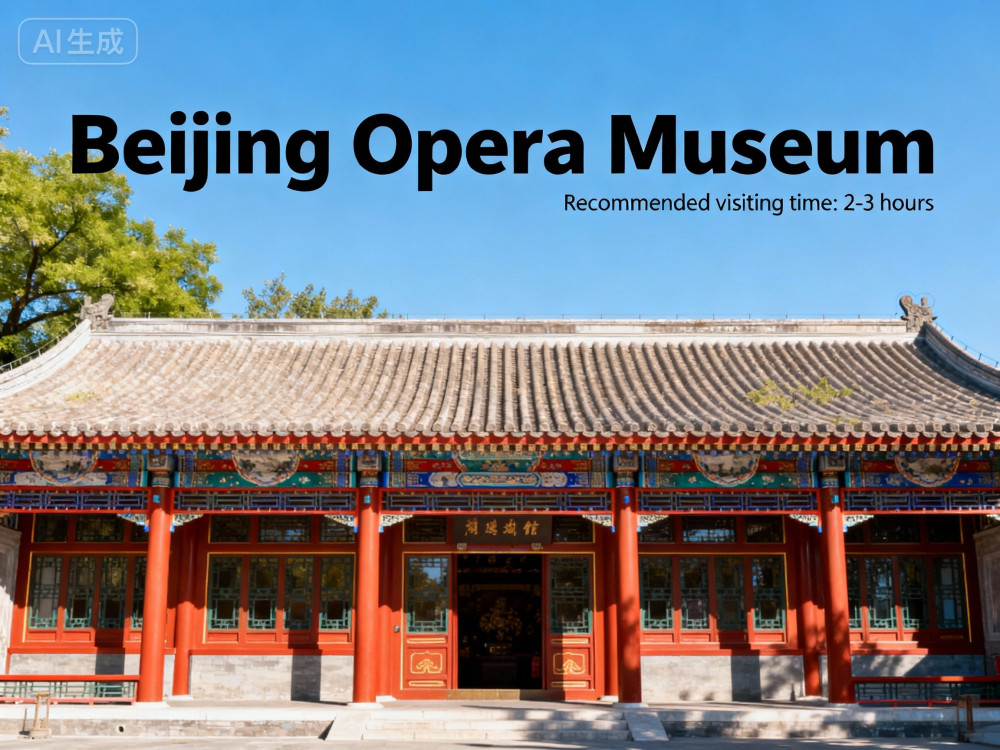
The Beijing Opera Museum, also known as the Peking Opera Museum, is a specialized cultural institution dedicated to preserving and promoting the art of Chinese opera, particularly Peking Opera which is recognized as a UNESCO Intangible Cultural Heritage. Housed within the historic Huguang Guild Hall, a beautifully preserved Qing Dynasty architectural complex dating back to 1807, the museum offers visitors a comprehensive journey through the evolution of Chinese opera arts. The museum complex itself is an architectural masterpiece featuring traditional courtyard layouts, intricate wood carvings, and classic Chinese garden elements that provide an authentic historical atmosphere for experiencing this traditional art form. The exhibitions cover various aspects of opera including costumes, makeup, musical instruments, scripts, and stage props, with detailed explanations of the symbolic meanings behind different colors, patterns, and designs used in traditional Chinese opera performances. Visitors can explore the original theater stage where famous opera masters once performed, and learn about the four main role types in Peking Opera: Sheng (male roles), Dan (female roles), Jing (painted face roles), and Chou (clown roles). The museum also hosts regular live performances, workshops, and demonstrations where visitors can witness the intricate process of applying traditional opera makeup and see authentic costumes up close. This immersive experience provides deep insights into one of China's most cherished cultural traditions and its enduring influence on Chinese performing arts.
Things to Do
- Explore the extensive collection of traditional opera costumes and headdresses
- Watch live Peking Opera performances on the historic stage
- Learn about the symbolic meanings of different facial makeup patterns
- Participate in interactive workshops on opera movements and gestures
- Study the evolution of Chinese opera through historical artifacts and documents
- Experience traditional Chinese theater architecture in the Huguang Guild Hall
- Attend demonstrations of opera makeup application techniques
- Listen to explanations of different musical instruments used in opera
- Photograph the beautiful courtyard gardens and traditional architecture
- Shop for authentic opera souvenirs and cultural items