 Tourism Guide
Palace Museum
The Forbidden City Chinas Imperial Palace
Key Information
Built
1406-1420
Architectural Style
Traditional Chinese Palace Architecture
UNESCO Designation
1987
Total Area
72 hectares
Number of Buildings
980
Number of Rooms
8707
Construction Period
14 years
Main Material
Wood and Stone
Imperial Residence Period
1420-1911
Number of Emperors
24
About Palace Museum
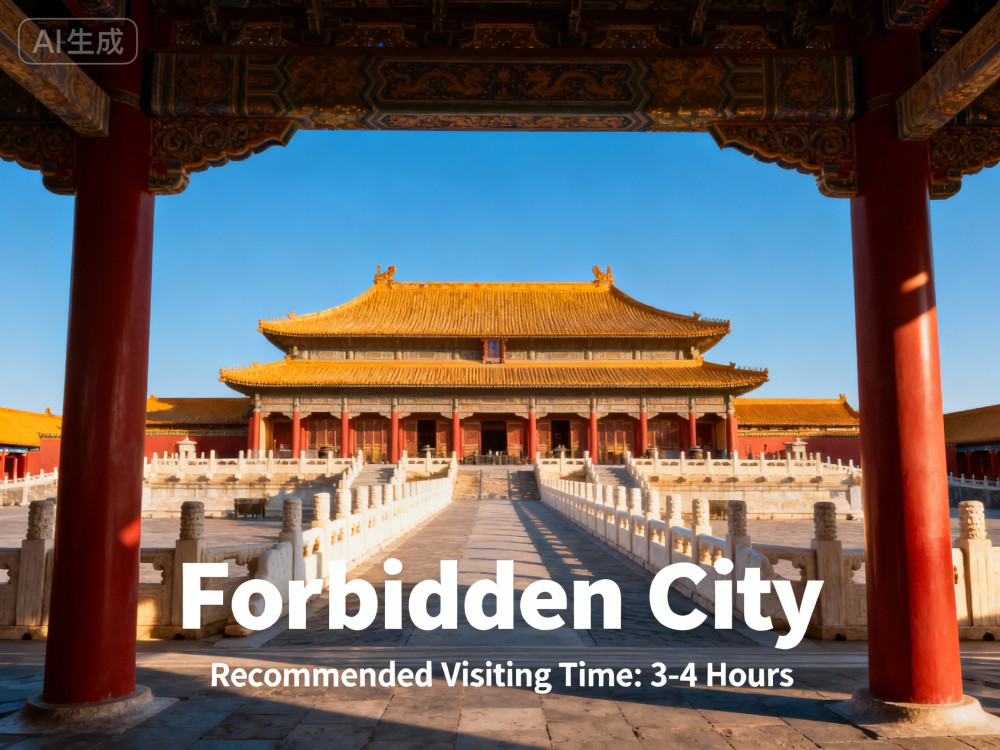
The Palace Museum also known as the Forbidden City is the worlds largest and best preserved ancient wooden architectural complex Located in the heart of Beijing it served as the imperial palace for 24 emperors during the Ming and Qing dynasties from 1420 to 1911 This UNESCO World Heritage Site covers 72 hectares with over 980 buildings containing more than 9000 rooms The complex is divided into the Outer Court for ceremonial purposes and the Inner Court for imperial living quarters The architectural design follows strict Confucian principles with yellow glazed roof tiles representing imperial power and red walls symbolizing good fortune and happiness Today it houses the Palace Museums extensive collection of imperial artifacts artworks and cultural relics offering visitors a glimpse into Chinas imperial past and traditional architecture
Things to Do
- Explore the Meridian Gate entrance and learn about its historical significance
- Visit the Hall of Supreme Harmony the largest wooden structure in China
- Admire the exquisite imperial throne in the Hall of Preserving Harmony
- Walk through the Gate of Heavenly Purity into the Inner Court
- See the Palace of Heavenly Purity where emperors lived and worked
- Visit the Hall of Mental Cultivation where Qing emperors resided
- Explore the Imperial Garden with its ancient trees and rockeries
- View the extensive collection of imperial artifacts in exhibition halls
- Walk along the high red walls and through the massive gates
- Photograph the intricate roof decorations and dragon motifs