 Tourism Guide
Summer Palace Gardens
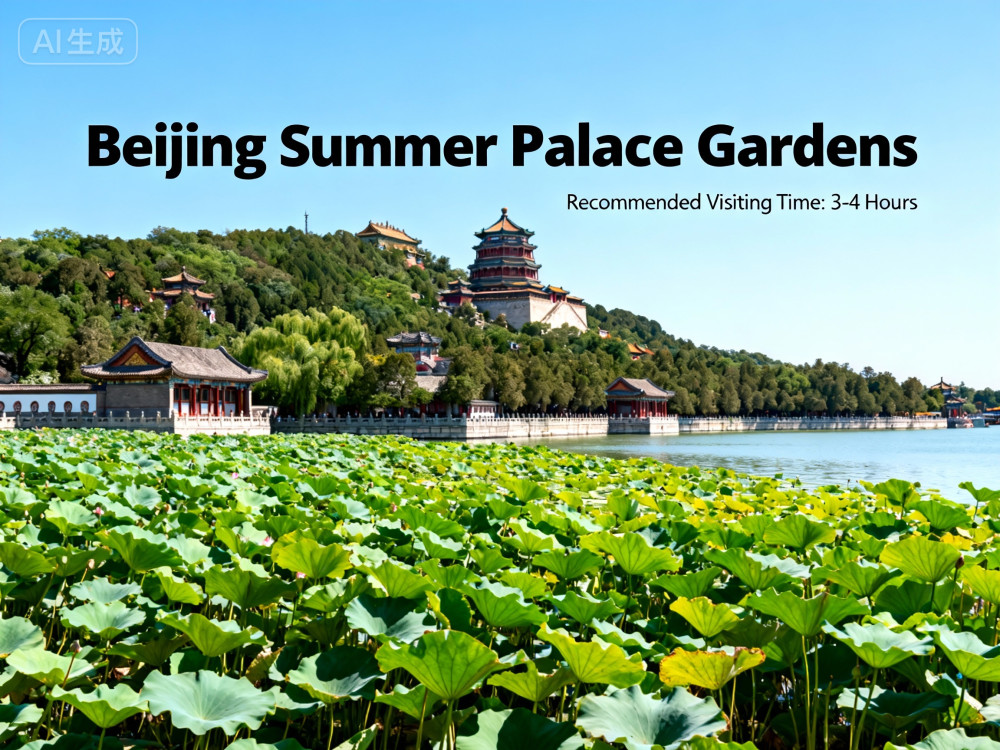
The Summer Palace Gardens is a masterpiece of Chinese landscape garden design that harmoniously blends natural scenery with artificial structures to create a poetic and picturesque imperial retreat
Key Information
UNESCO World Heritage Site
1998
Original Construction
1750
Rebuilt
1888
Total Area
29 square kilometers
Water Coverage
75 percent
Architectural Structures
Over 3000
Long Corridor Length
728 meters
Long Corridor Paintings
14000
Kunming Lake Area
22 square kilometers
Best Visiting Season
Spring and Autumn
About Summer Palace Gardens
The Summer Palace Gardens originally known as the Garden of Clear Ripples is a vast ensemble of lakes gardens and palaces in Beijing China Dominating the complex is Longevity Hill and Kunming Lake which together create a stunning landscape that exemplifies the philosophy of Chinese garden design The site covers an area of 29 square kilometers three quarters of which is water The gardens were initially built in 1750 during the reign of Emperor Qianlong of the Qing Dynasty as a luxurious royal garden for the imperial family to escape the summer heat of the Forbidden City The design incorporates traditional Chinese gardening techniques that emphasize the harmony between manmade structures and natural elements creating a perfect balance between architecture and nature The gardens were destroyed during the Second Opium War in 1860 and rebuilt by Empress Dowager Cixi in 1888 using funds originally intended for the Chinese navy The Summer Palace Gardens represent the pinnacle of Chinese landscape garden design with its careful arrangement of hills water plants architecture and pavilions to create scenes of poetic beauty Every element from the placement of rocks to the curvature of bridges follows traditional Chinese aesthetic principles that seek to recreate and idealize nature The gardens feature over 3000 ancient structures including halls pavilions bridges and corridors that wind through the landscape The most famous structures include the Marble Boat the Long Corridor with its 14000 paintings the Tower of Buddhist Incense and the SeventeenArch Bridge The gardens were designated a UNESCO World Heritage Site in 1998 recognized as an outstanding expression of the creative art of Chinese landscape garden design with its natural landscapes of hills and open water combined with artificial features such as pavilions halls palaces temples and bridges to form a harmonious ensemble of exceptional aesthetic value
Things to Do
- Walk along the famous Long Corridor admiring its 14000 traditional Chinese paintings
- Climb Longevity Hill to reach the Tower of Buddhist Incense for panoramic views
- Take a dragon boat ride on Kunming Lake to appreciate the gardens from the water
- Explore the Marble Boat a unique Westernstyle structure built by Empress Dowager Cixi
- Visit the Hall of Benevolence and Longevity to see imperial throne rooms and artifacts
- Stroll through Suzhou Street a recreation of a traditional waterside market
- Enjoy the Garden of Virtue and Harmony with its magnificent opera theater
- Photograph the SeventeenArch Bridge especially beautiful during sunrise and sunset
- Discover the Buddhist temples and pagodas scattered throughout the gardens
- Experience traditional Chinese tea ceremony at one of the garden teahouses