 Tourism Guide
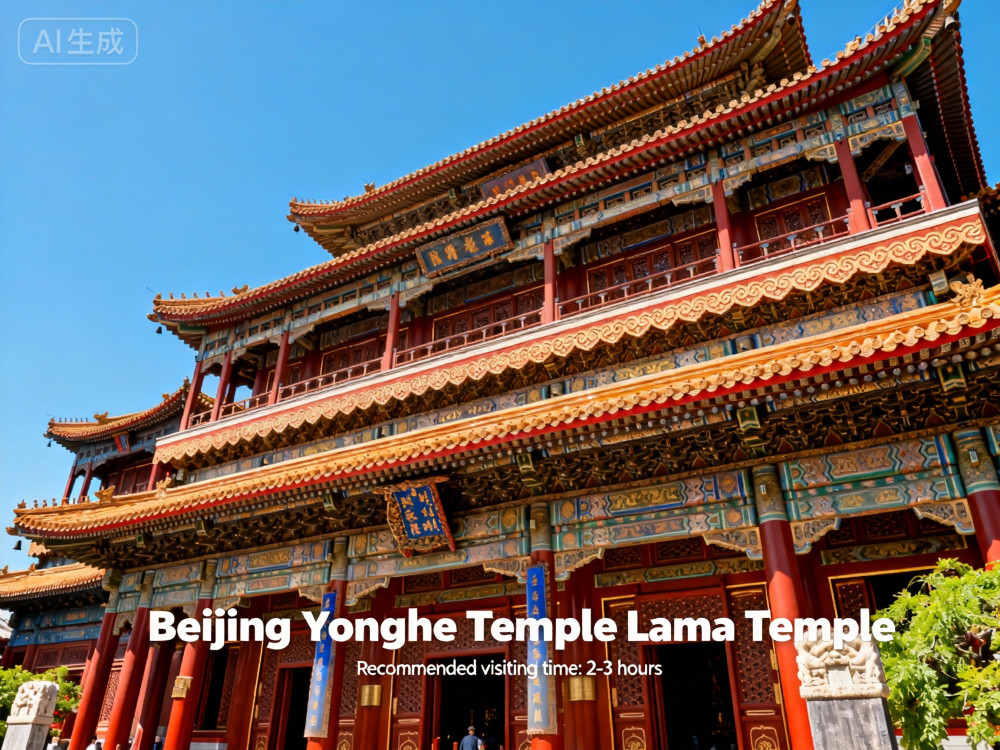
Yonghe Temple Lama Temple
A magnificent Tibetan Buddhist temple complex that serves as both a spiritual center and a living museum of Tibetan Buddhist art and culture
Key Information
Built Year
1694
Architectural Style
Han Chinese and Tibetan fusion
Religious Affiliation
Tibetan Buddhism Gelug school
UNESCO Status
Not listed but nationally protected
Best Time to Visit
Spring and Autumn seasons
Special Features
Worlds tallest wooden Buddha statue
Cultural Significance
Major center for Tibetan Buddhism outside Tibet
Visitor Tips
Dress modestly no photography inside main halls
Yonghe Temple also known as the Lama Temple is one of the largest and most important Tibetan Buddhist monasteries in the world outside Tibet Originally built in 1694 as the residence of Prince Yong who later became Emperor Yongzheng it was converted into a lamasery in 1744 The temple complex covers an area of 66400 square meters and features a unique blend of Han Chinese and Tibetan architectural styles The temple is renowned for its Five Great Halls arranged along a northsouth axis each representing different aspects of Tibetan Buddhist practice and philosophy The most spectacular feature is the 26meter tall statue of Maitreya Buddha carved from a single sandalwood tree which holds the Guinness World Record as the tallest wooden Buddha statue in the world Today Yonghe Temple serves as both an active monastery for Tibetan Buddhist monks and a major tourist attraction offering visitors a glimpse into the rich spiritual traditions of Tibetan Buddhism
Things to Do
- Admire the 26meter tall Maitreya Buddha statue carved from a single sandalwood tree
- Explore the Five Great Halls each with unique architectural features and religious significance
- Witness Tibetan Buddhist monks performing daily rituals and ceremonies
- Learn about Tibetan Buddhist art through the temples exquisite thangka paintings and sculptures
- Experience the serene atmosphere in the temple courtyards and gardens
- Observe the intricate details of Tibetan Buddhist architecture and symbolism
- Participate in the traditional incense offering ritual at the entrance
- Visit the temple museum to learn about Tibetan Buddhist history and culture
- Attend special Buddhist ceremonies during major festivals
- Photograph the beautiful architectural details and colorful decorations