Why go
About
Hongqi Street Food Area is Changchuns premier culinary destination where traditional Northeastern Chinese cuisine meets modern street food culture. This bustling food street stretches along Hongqi Street and its surrounding alleys, offering an authentic taste of Jilin Provinces gastronomic heritage. As the capital of Northeast Chinas Jilin Province, Changchun has developed a unique food culture influenced by Manchu traditions, Korean flavors, and Russian culinary elements.
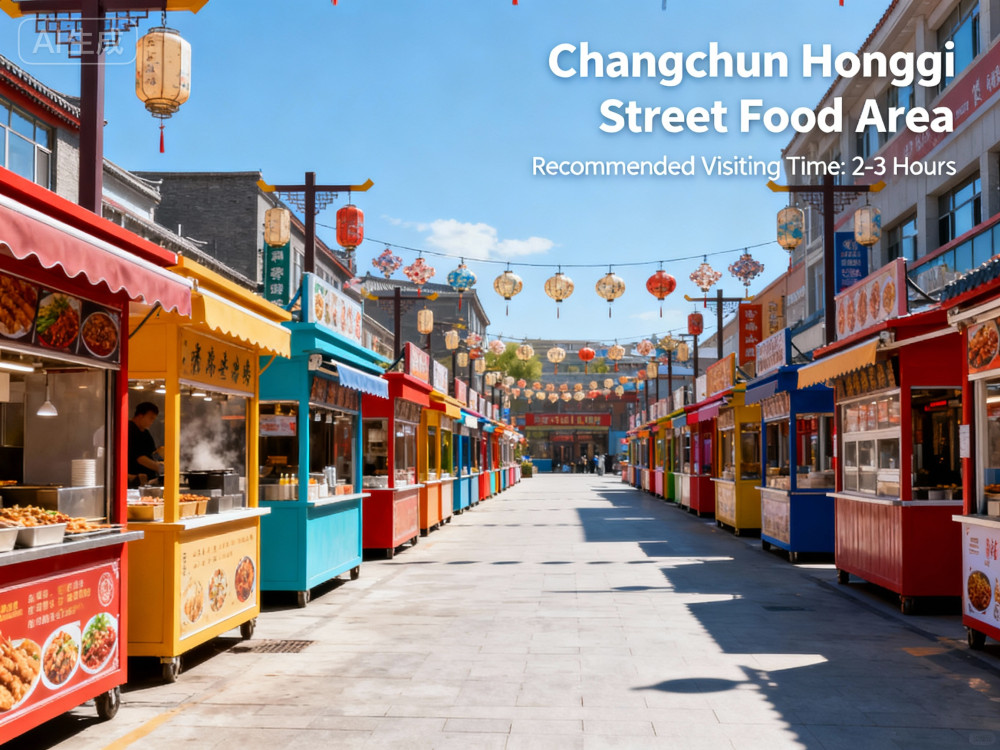
The Hongqi Street Food Area perfectly encapsulates this diverse heritage with its wide array of street vendors, small eateries, and specialty food shops. During the day, the area serves as a local market where residents shop for fresh ingredients and traditional snacks. As evening falls, the street transforms into a lively food paradise illuminated by colorful lanterns and neon signs, with the aroma of sizzling meats, steaming dumplings, and spicy noodles filling the air.
The food area is particularly famous for its winter specialties, reflecting Changchuns cold climate with hearty, warming dishes that have sustained locals through harsh winters for generations. From traditional hot pots to grilled skewers and sweet treats, every stall tells a story of Northeast Chinas culinary evolution. The atmosphere is always vibrant, with locals and tourists mingling, sharing tables, and enjoying the communal dining experience that defines Chinese street food culture.
The area also serves as a cultural hub where traditional food preparation techniques are preserved and passed down through generations of family-run businesses.
Make time for
Practical ideas, not a checklist
- Sample authentic Northeastern Chinese street food like grilled lamb skewers and spicy crawfish
- Try traditional Jilin Province specialties including Guo Bao Rou sweet and sour pork
- Experience Korean-influenced dishes such as cold noodles and kimchi pancakes
- Visit during winter to enjoy seasonal hot pot and warming stews
- Explore the night market atmosphere with colorful food stalls and local vendors
- Watch traditional food preparation techniques at family-run stalls
- Taste Russian-influenced breads and pastries from historical bakeries
- Join locals for evening snacks and social gatherings at communal tables
- Discover unique Northeastern desserts like frozen persimmons and sugar-coated hawthorns
- Learn about Manchu culinary traditions through specialty dishes
Good to know
- Best Time to Visit
- Evening hours 18:00-22:00 for the full night market experience
- Local Specialties
- Guo Bao Rou, Lamb Skewers, Korean Cold Noodles, Sticky Rice Cakes
- Seasonal Highlights
- Winter hot pot and grilled foods, Summer cold noodles and ice treats
- Cultural Significance
- Represents fusion of Manchu, Korean, and Russian culinary traditions
- Historical Context
- Developed from traditional market areas dating back to early 20th century
- Culinary Style
- Northeastern Chinese with Korean and Russian influences
- Atmosphere
- Lively, communal, authentic local dining experience
- Accessibility
- Pedestrian-friendly street with wide walking areas
- Payment Methods
- Cash preferred at small stalls, digital payments accepted at larger establishments
- Language Support
- Basic English menus available at popular tourist spots