 Tourism Guide
Korean Ethnic District Markets
Experience authentic Korean culture and cuisine in the heart of Northeast China at Changchuns vibrant Korean Ethnic District Markets
Key Information
Best Time to Visit
Weekends and evenings for the liveliest atmosphere
Cultural Significance
One of the largest Korean ethnic communities in China outside Yanbian
Food Specialties
Kimchi bulgogi bibimbap naengmyeon and various street foods
Shopping Highlights
Korean traditional clothing cosmetics snacks and household items
Seasonal Events
Korean New Year celebrations Chuseok harvest festival and kimchi-making festivals
About Korean Ethnic District Markets
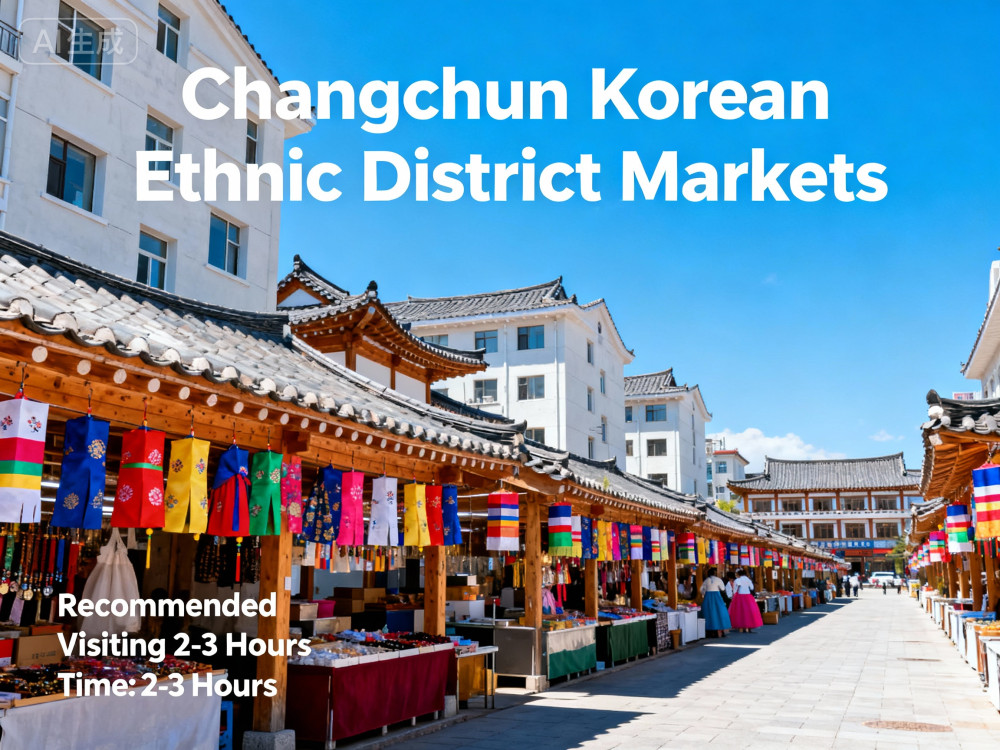
The Korean Ethnic District Markets in Changchun offer an immersive cultural experience that transports visitors directly to Korea without leaving China. Located in the heart of Jilin Province, this vibrant district showcases the rich heritage of the Korean ethnic minority who have lived harmoniously in Northeast China for generations. The markets are a bustling hub of activity where traditional Korean architecture meets modern commerce, creating a unique fusion of cultures. Here you can explore narrow alleyways filled with colorful stalls selling everything from traditional hanbok clothing and Korean handicrafts to authentic ingredients for Korean cooking. The air is filled with tantalizing aromas of kimchi, bulgogi, and bibimbap being prepared in family-run restaurants that have been operating for decades. This district serves as both a cultural preservation center and a living community where Korean traditions are kept alive through daily practices, festivals, and culinary arts. The markets are particularly famous for their authentic Korean street food, traditional tea houses, and specialty shops selling everything from ginseng to Korean cosmetics. Visitors can witness traditional Korean dance performances, learn about Korean tea ceremonies, and even participate in kimchi-making workshops during certain seasons.
Things to Do
- Sample authentic Korean street food like tteokbokki and hotteok
- Shop for traditional Korean hanbok clothing and accessories
- Visit Korean tea houses for traditional tea ceremonies
- Explore Korean grocery stores for unique ingredients and snacks
- Watch live Korean cultural performances on weekends
- Try Korean barbecue at family-run restaurants
- Purchase Korean cosmetics and skincare products
- Learn about Korean traditional medicine at herbal shops
- Attend seasonal Korean festivals and celebrations
- Take photos in traditional Korean photo studios