 Tourism Guide
Puppet Emperor Palace
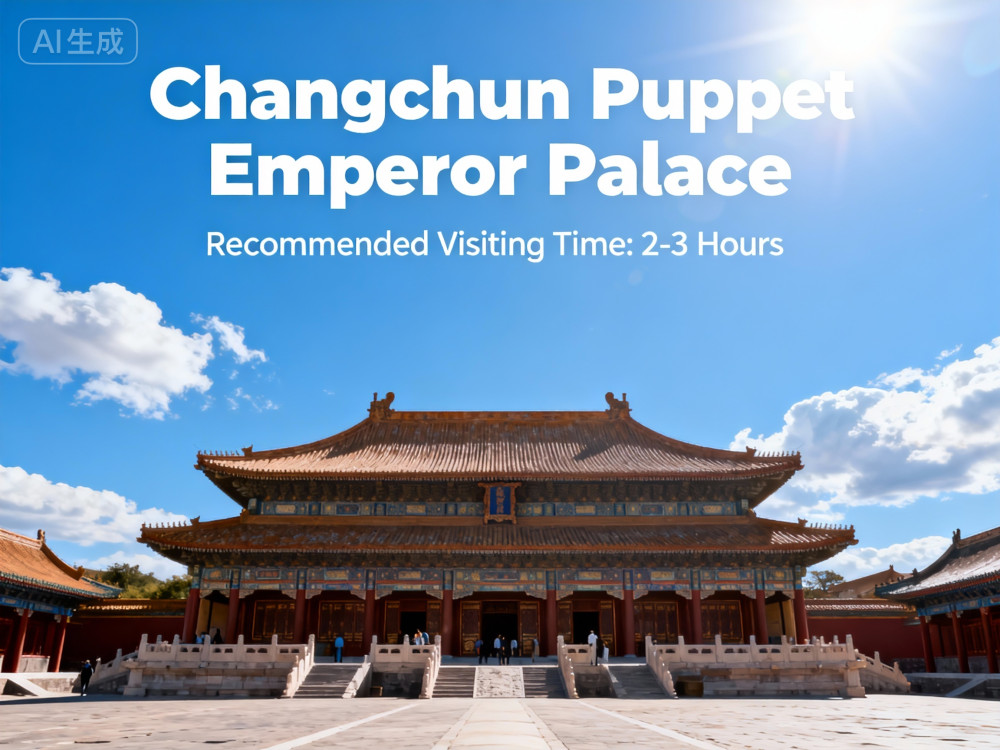
The last imperial palace in Chinese history built for Puyi the last emperor of China during the Japanese puppet state of Manchukuo
Key Information
Construction Period
1932-1934
Architectural Style
ChineseJapanese Eclectic
Total Area
43 hectares
Main Buildings
13
Museum Establishment
1962
UNESCO Status
Part of Japanese Industrial Sites
Best Time to Visit
April to October
Audio Guide Available
Yes in multiple languages
About Puppet Emperor Palace
The Puppet Emperor Palace also known as the Manchukuo Imperial Palace was the official residence of Puyi the last emperor of China during his reign as the nominal ruler of the Japanese puppet state of Manchukuo from 1932 to 1945 Located in Changchun Jilin Province this historical complex serves as a poignant reminder of a turbulent period in Chinese history The palace complex covers approximately 43 hectares and consists of two main sections the inner court where Puyi lived with his family and the outer court where official ceremonies and government affairs were conducted The architecture blends traditional Chinese palace styles with Japanese and Western influences reflecting the complex political situation of the time Today the site has been transformed into a comprehensive museum that meticulously preserves this controversial chapter of history offering visitors a unique opportunity to explore the life of Chinas last emperor and understand the broader historical context of Japanese occupation in Northeast China
Things to Do
- Explore the main palace buildings including the Jixi Building where Puyi lived and worked
- Visit the exhibition halls showcasing historical documents photographs and artifacts from the Manchukuo period
- Walk through the beautiful gardens and courtyards that surround the palace complex
- See the original furniture decorations and personal items used by Puyi and his family
- Learn about the complex political history of Manchukuo through multimedia presentations
- Visit the underground air raid shelter built for Puyis protection during World War II
- Explore the traditional Chinese architecture blended with Japanese design elements
- Take photographs of the wellpreserved historical buildings and scenic courtyards