 Tourism Guide
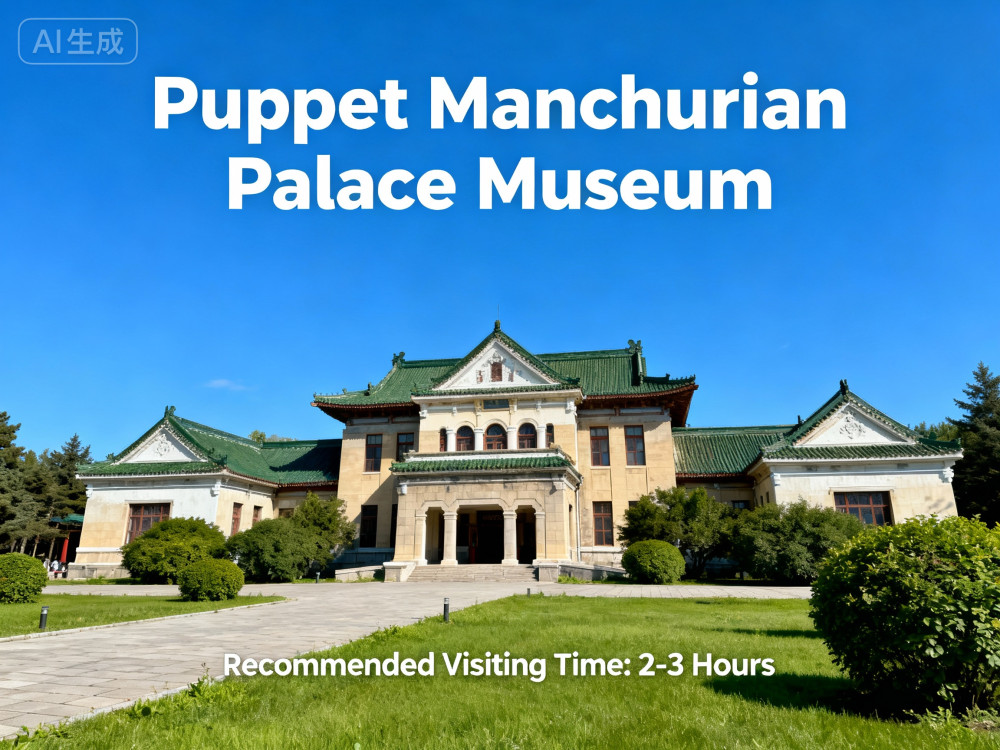
Puppet Manchurian Palace Museum
The former imperial palace of Puyi, the last emperor of China, who served as the puppet emperor of Manchukuo during Japanese occupation from 1932 to 1945
Key Information
Architectural Style
Chinese-Japanese fusion with traditional palace elements
Historical Period
1932-1945 (Manchukuo era)
Main Buildings
Qinmin Building, Jixi Building, Huaiyuan Building, Tongde Hall
Exhibition Areas
Over 10 exhibition halls covering different aspects of palace life
UNESCO Status
Part of the Changchun Historical and Cultural City conservation area
Best Time to Visit
April to October for pleasant weather
Audio Guide
Available in multiple languages including English
Photography
Allowed in most areas except specific exhibition rooms
About Puppet Manchurian Palace Museum
The Puppet Manchurian Palace Museum, also known as the Museum of the Imperial Palace of the Manchukuo, is a significant historical site that preserves the complex legacy of China's last emperor, Puyi. This sprawling complex served as the official residence and administrative center during the Japanese-controlled puppet state of Manchukuo. The museum offers a profound look into one of the most controversial periods in modern Chinese history, where traditional Chinese architecture blends with Japanese colonial influences. Visitors can explore the well-preserved living quarters, ceremonial halls, and government offices that witnessed the tragic drama of Puyi's reign as a figurehead emperor under Japanese control. The site stands as both an architectural marvel and a somber reminder of China's struggle against foreign occupation during the 20th century.
Things to Do
- Explore the Main Palace Building where Puyi held court and conducted state affairs
- Visit the Living Quarters to see the emperor's private rooms and personal artifacts
- Walk through the Japanese-style gardens that blend Eastern landscaping traditions
- Examine historical photographs and documents in the exhibition halls
- See the original furniture and decor from the 1930s and 1940s
- Learn about Puyi's transformation from Qing Dynasty emperor to puppet ruler
- Understand the complex political dynamics of the Manchukuo period
- Photograph the unique architectural fusion of Chinese and Japanese styles