 Tourism Guide
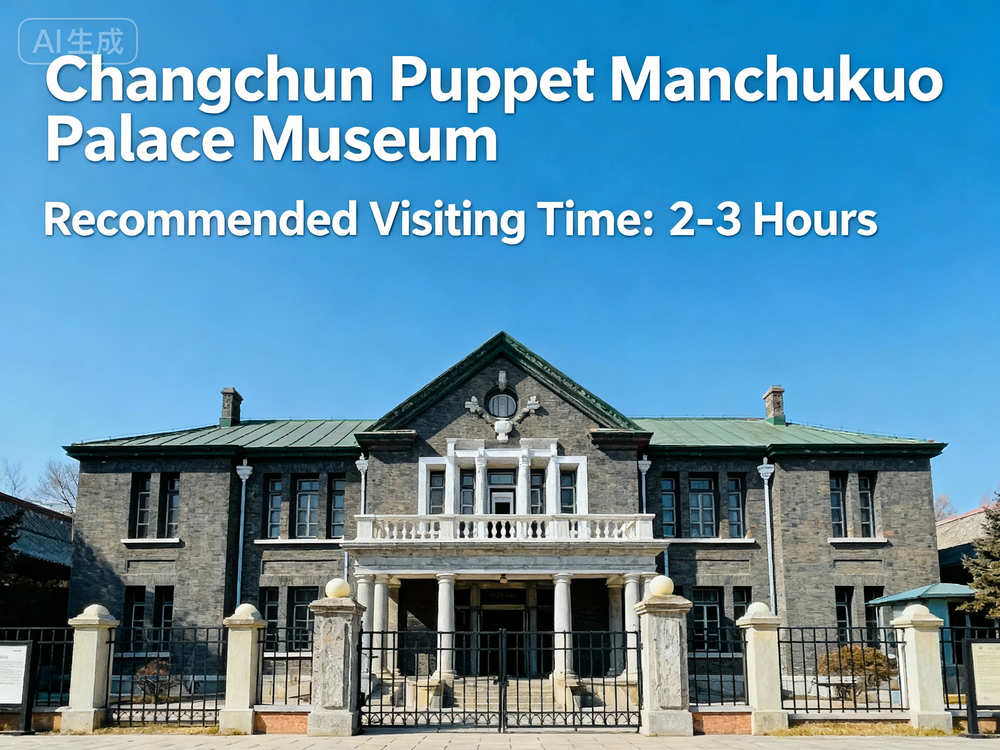
Puppet Manchukuo Palace Museum
A historical complex that served as the official residence of Puyi, the last emperor of China, during the Japanese puppet state of Manchukuo from 1932 to 1945
Key Information
Established
1962
Total Area
137,000 square meters
Main Buildings
13
Historical Period
1932-1945
UNESCO Status
Part of Sites of Japans Meiji Industrial Revolution
Best Time to Visit
April to October
The Puppet Manchukuo Palace Museum stands as a powerful testament to one of the most controversial periods in modern Chinese history. This sprawling complex consists of two main sections: the Inner Court where Puyi lived with his family, and the Outer Court where he conducted official state affairs under Japanese supervision. The architecture blends traditional Chinese palace styles with modern Western influences, reflecting the complex identity of the puppet regime. Visitors can explore the living quarters, offices, gardens, and ceremonial halls where Puyi spent his days as a figurehead emperor. The museum preserves over 14,000 historical artifacts and documents that reveal the daily life of the imperial household and the political realities of Japanese occupation. This site serves not only as a museum but as a profound educational experience about China's resilience and the importance of national sovereignty.
Things to Do
- Explore the Inner Court living quarters where Puyi and his family resided
- Visit the Outer Court ceremonial halls and offices used for state affairs
- Walk through the beautiful imperial gardens surrounding the palace complex
- Examine historical photographs and documents from the Manchukuo period
- Learn about Puyi's transformation from emperor to ordinary citizen
- Attend educational exhibitions about China's anti-Japanese resistance
- Photograph the unique architectural blend of Chinese and Western styles
- Watch documentary films about the history of Manchukuo