 Tourism Guide
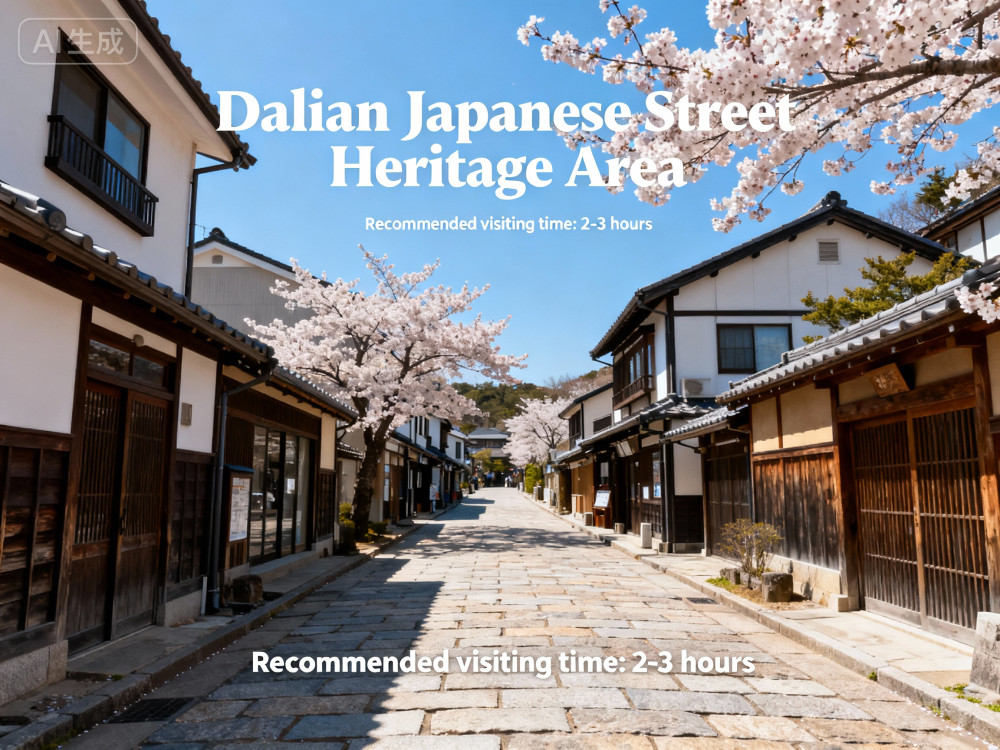
Japanese Street Heritage Area
A well-preserved historical district showcasing Japanese colonial architecture from the early 20th century, offering a unique glimpse into Dalian's multicultural past
Key Information
Historical Period
Early 20th Century (1905-1945)
Architectural Style
Japanese Colonial with Western Influences
Number of Buildings
Over 200 preserved structures
Best Time to Visit
Spring and Autumn seasons
Accessibility
Wheelchair accessible main streets
Guided Tours
Available in English and Japanese
Photography
Permitted throughout the area
Nearest Metro
Zhongshan Square Station
About Japanese Street Heritage Area
The Japanese Street Heritage Area in Dalian is a fascinating historical district that preserves the architectural legacy of Japans colonial period in Northeast China from 1905 to 1945. This area features over 200 well-maintained Japanese-style buildings constructed during the early 20th century, representing various architectural styles including traditional Japanese wooden structures, Western-influenced buildings, and unique fusion designs. The district serves as a living museum of urban planning and architectural history, with narrow winding streets, traditional Japanese gardens, and preserved commercial and residential buildings. Visitors can explore this atmospheric neighborhood to understand Dalian's complex history as a port city that experienced Russian, Japanese, and Chinese influences. The area has been carefully restored to maintain its historical authenticity while accommodating modern cafes, boutiques, and cultural spaces that blend contemporary life with historical preservation.
Things to Do
- Explore the preserved Japanese-style wooden houses with their distinctive architectural features
- Visit the Dalian Modern History Museum located within the heritage area
- Walk along the cobblestone streets and admire the traditional Japanese gardens
- Photograph the unique fusion architecture combining Japanese and Western elements
- Enjoy traditional Japanese tea at one of the restored teahouses
- Shop for local handicrafts and souvenirs in the renovated boutiques
- Attend cultural exhibitions and events showcasing Sino-Japanese history
- Study the architectural details of preserved commercial buildings from the 1920s-1930s