 Tourism Guide
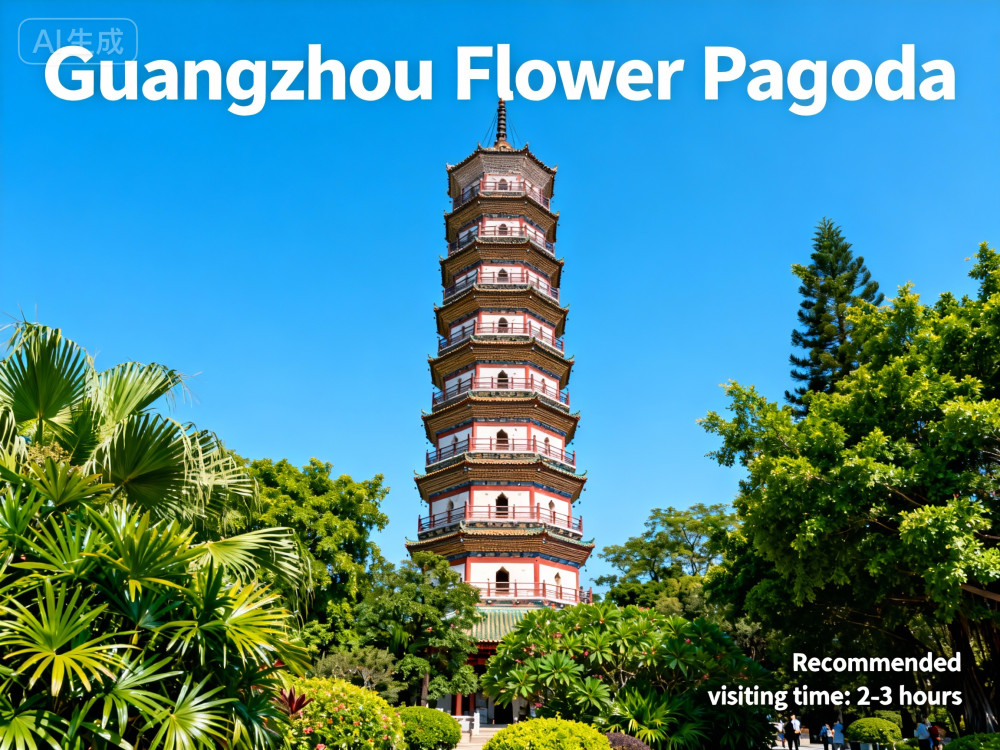
Flower Pagoda
The iconic Flower Pagoda also known as the Six Banyan Pagoda is one of Guangzhous most famous landmarks with a history dating back over 1400 years
Key Information
Built Year
537 AD
Current Structure
1097 AD
Height
57 meters
Stories
9
Architectural Style
Chinese Buddhist Pagoda
UNESCO Status
Not listed
Best Time to Visit
October to December
Nearby Attractions
Guangxiao Temple Chen Clan Academy
The Flower Pagoda officially named the Six Banyan Pagoda is a magnificent Buddhist pagoda located in the heart of Guangzhou Built originally in 537 AD during the Liang Dynasty the current structure dates from 1097 AD during the Northern Song Dynasty Standing at 57 meters tall with nine stories the pagoda gets its name from the beautiful floral decorations on its exterior and the six ancient banyan trees that once surrounded it The pagoda has survived numerous reconstructions and renovations throughout its long history including significant restoration after a fire in the 10th century Its unique architectural style combines elements from different dynasties with each floor featuring intricate carvings colorful glazed tiles and Buddhist statues Inside visitors can climb the wooden staircase to enjoy panoramic views of Guangzhou from the top The pagoda is part of the Six Banyan Temple complex which includes several halls courtyards and gardens making it an important center for Buddhist worship and cultural heritage in southern China
Things to Do
- Climb to the top of the pagoda for panoramic views of Guangzhou cityscape
- Explore the Six Banyan Temple complex surrounding the pagoda
- Admire the intricate architectural details and colorful glazed tiles
- Visit the Buddhist statues and artifacts inside the temple halls
- Learn about the pagodas 1400year history through informational displays
- Photograph the unique octagonal structure from different angles
- Experience traditional Buddhist ceremonies during festival times
- Enjoy the peaceful garden atmosphere in the temple courtyard