 Tourism Guide
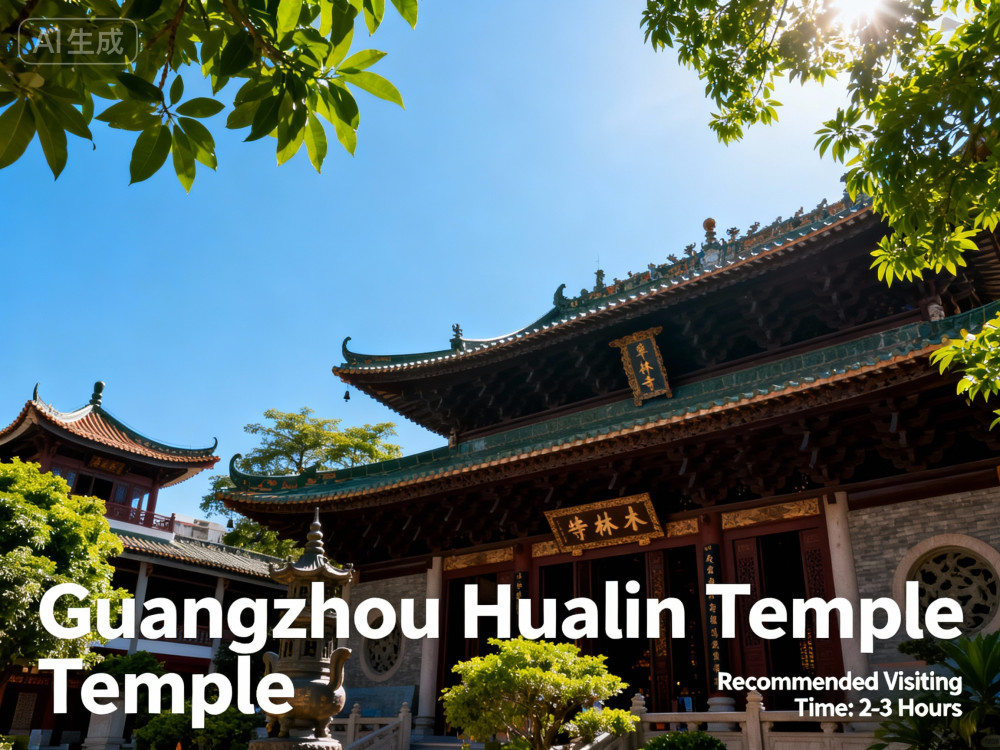
Hualin Temple
One of Guangzhous oldest and most significant Buddhist temples with a history dating back over 1400 years
Key Information
Established
526 AD
Architectural Style
Traditional Chinese Buddhist
Main Deity
Sakyamuni Buddha
Special Feature
Five Hundred Arhats Hall
Cultural Significance
One of Guangzhous Four Great Temples
Best Time to Visit
Morning hours for ceremonies
Nearby Attractions
Shangxiajiu Pedestrian Street Chen Clan Academy
Transportation
Metro Line 1 Changshou Lu Station
About Hualin Temple
Hualin Temple also known as Hualin Chan Temple is a historic Buddhist temple located in the Liwan District of Guangzhou Guangdong Province Established during the Liang Dynasty in 526 AD during the reign of Emperor Wu of Liang it is one of the four great Buddhist temples of Guangzhou along with Guangxiao Temple Liurong Temple and Haizhuang Temple The temple has undergone numerous reconstructions throughout its history with the current structures mainly dating from the Qing Dynasty 16441912 The temple complex covers an area of approximately 14000 square meters and features traditional Chinese temple architecture with elegant halls courtyards and gardens Hualin Temple is particularly famous for its Five Hundred Arhats Hall which houses 500 life size gilded clay statues of arhats Buddhist saints each with unique facial expressions and postures representing different aspects of enlightenment The temple serves as an active Buddhist monastery and cultural heritage site offering visitors a peaceful retreat from the bustling city while showcasing traditional Chinese Buddhist art and architecture
Things to Do
- Visit the Five Hundred Arhats Hall to admire the exquisite gilded clay statues
- Explore the main prayer halls including the Mahavira Hall and Heavenly King Hall
- Experience traditional Buddhist ceremonies and chanting sessions
- Walk through the tranquil temple gardens and courtyards
- Learn about the temples history at the cultural exhibition areas
- Participate in incense offering rituals following local customs
- Photograph the intricate architectural details and traditional decorations
- Attend seasonal Buddhist festivals and cultural events