 Tourism Guide
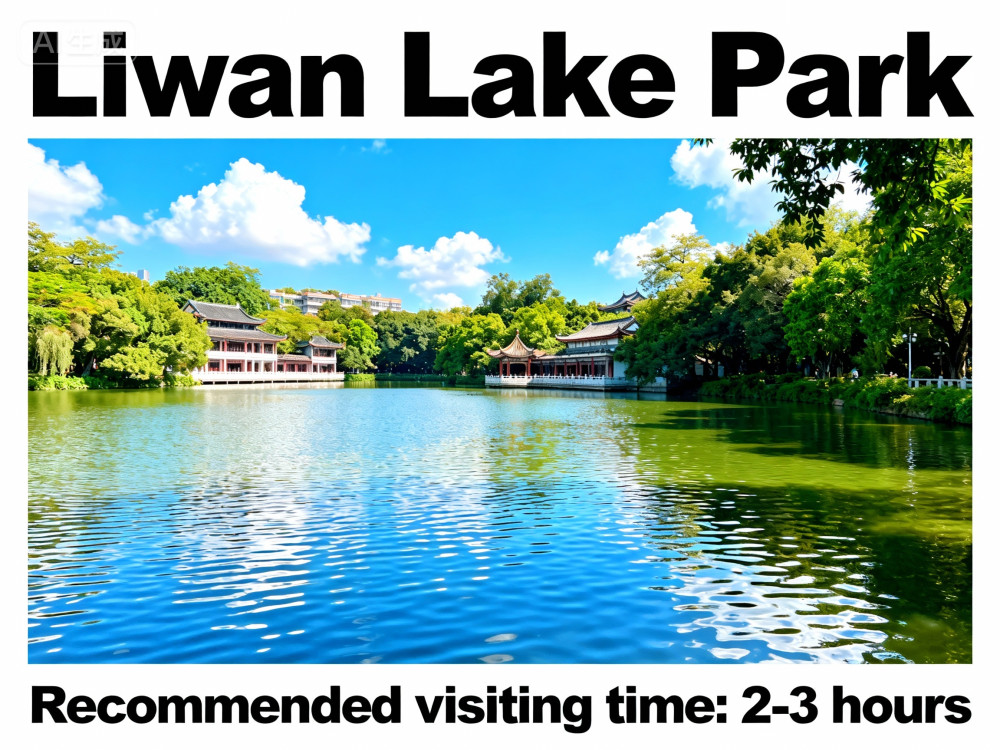
Liwan Lake Park
A historic urban oasis in the heart of Guangzhou blending natural beauty with Lingnan cultural heritage
Key Information
Established
Tang Dynasty origins modern park established 1958
Area
40 hectares
Best Time to Visit
Early morning or late afternoon summer for lotus blossoms
Cultural Significance
Lingnan garden architecture representative site
Accessibility
Wheelchair accessible paths available
Nearest Metro
Chen Clan Academy Station Line 1
Annual Events
Lotus Festival Summer Music Concerts Traditional Festivals
About Liwan Lake Park
Liwan Lake Park also known as Liwanhu Park is one of Guangzhous most cherished urban green spaces with a history dating back to the Tang Dynasty The park covers approximately 40 hectares centered around the picturesque Liwan Lake which was originally part of the Pearl River delta The name Liwan translates to Lotus Bay reflecting the parks signature lotus flowers that bloom spectacularly during summer months This park represents the essence of Lingnan garden design characterized by its integration of water landscapes pavilions bridges and lush vegetation creating a harmonious balance between natural scenery and human artistry Throughout its long history the park has been a gathering place for poets scholars and artists who found inspiration in its tranquil beauty Today it serves as both a cultural landmark and a beloved recreational space for locals and visitors alike
Things to Do
- Stroll along the classical Lingnan style garden paths admiring the traditional architecture
- Visit the Five Immortals Temple Pavilion to learn about local folklore and history
- Enjoy the spectacular lotus blossoms during summer months June to August
- Take a traditional wooden boat ride on Liwan Lake for panoramic views
- Explore the ancient banyan trees some over 300 years old
- Attend morning tai chi sessions with local residents
- Photograph the iconic Nine Bend Bridge and other picturesque structures
- Visit the small museums within the park showcasing local history