 Tourism Guide
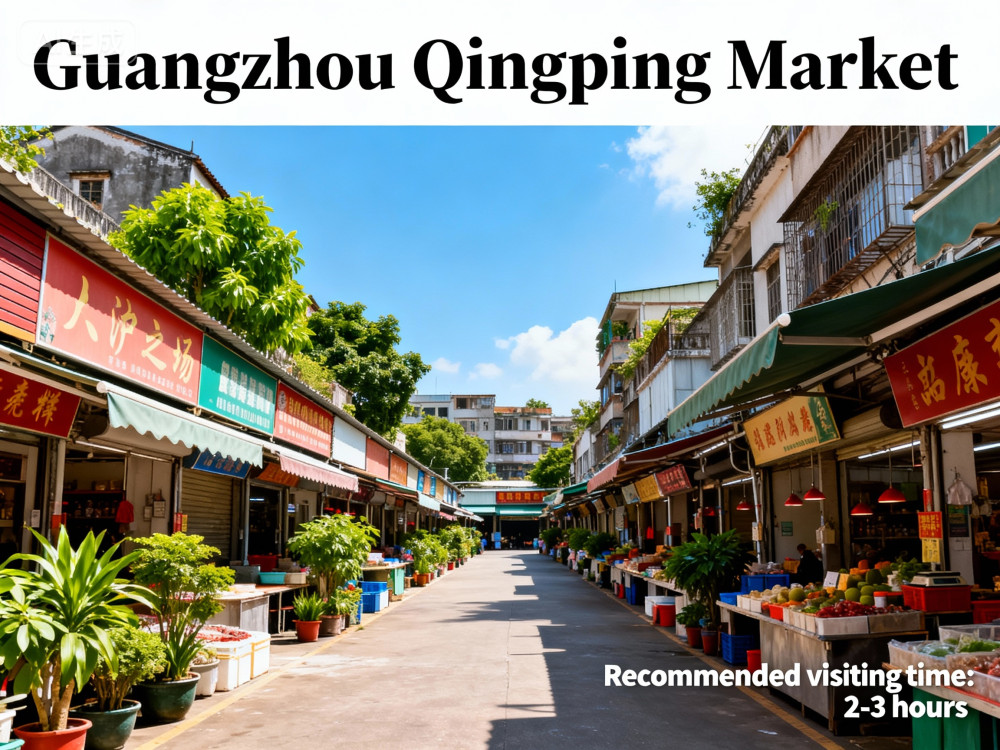
Qingping Market
One of Guangzhou's oldest and most authentic traditional markets, offering a vibrant glimpse into Cantonese culinary culture and daily life
Key Information
Established
Late Qing Dynasty (circa 1900)
Best Time to Visit
Morning hours (6:00-10:00) for the freshest produce
Market Sections
Dried Seafood, Fresh Produce, Medicinal Herbs, Live Animals
Cultural Significance
Designated as a Cultural Heritage Site of Guangzhou
Nearby Attractions
Shamian Island, Chen Clan Ancestral Hall, Temple of the Six Banyan Trees
Transportation
Metro Line 1 to Huangsha Station, Exit D
Language
Cantonese primarily, some vendors speak Mandarin
Photography Tips
Ask permission before photographing vendors or their products
About Qingping Market
Qingping Market, established in the late Qing Dynasty, is a legendary open-air market located along the Pearl River in Guangzhou's historic Liwan District. This sprawling market covers several blocks and offers an authentic sensory experience of traditional Cantonese life. Known as the 'kitchen of Guangzhou,' it's where locals and chefs come to source the freshest ingredients, from exotic herbs and medicinal plants to live seafood and rare delicacies. The market is divided into sections specializing in different products - dried seafood and medicinal herbs in the northern section, fresh produce and meats in the central area, and traditional Chinese medicines in specialized shops. The atmosphere is lively and chaotic, with vendors calling out prices in Cantonese, the aroma of spices filling the air, and the sounds of bargaining creating a symphony of commerce. Qingping Market represents the heart of Guangzhou's food culture and serves as a living museum of traditional Chinese market practices that have remained largely unchanged for over a century.
Things to Do
- Explore the dried seafood section with its impressive displays of abalone
- sea cucumbers
- and fish maw
- Discover traditional Chinese medicinal herbs and learn about their healing properties
- Observe the live seafood section with tanks of fish
- crabs
- and other marine creatures
- Sample local snacks and street food from market vendors
- Photograph the vibrant colors and textures of exotic fruits and vegetables
- Learn about Cantonese culinary ingredients and their uses in traditional cooking
- Experience the art of bargaining with local vendors
- Visit the nearby herbal tea shops for authentic Cantonese cooling drinks