 Tourism Guide
Shamian Island
A tranquil European-style island oasis in the heart of bustling Guangzhou
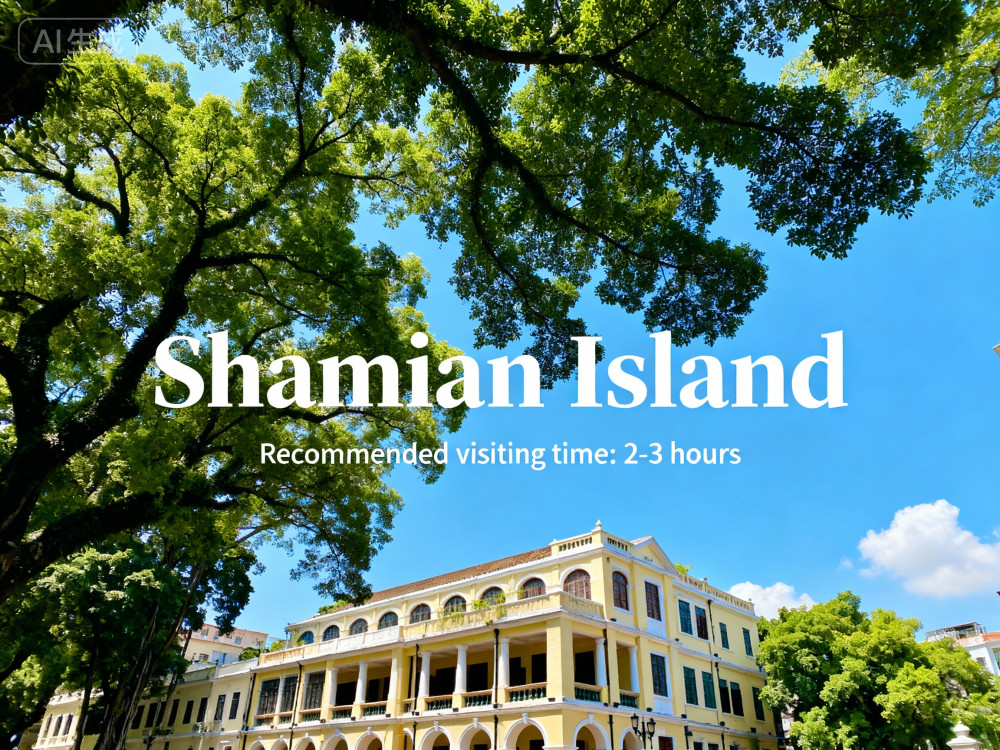
Key Information
Historical Period
19th-20th Century Colonial Era
Architectural Style
European Colonial Neoclassical Gothic Baroque
Island Size
0.3 square kilometers
UNESCO Status
Part of Guangzhou Historic International Settlement
Best Time to Visit
October to December for pleasant weather
Accessibility
Pedestrian-friendly with bridges connecting to mainland
Cultural Significance
Symbol of Guangzhou's international trade history
Local Cuisine Nearby
Cantonese dim sum and European cafes
About Shamian Island
Things to Do
- Stroll along the tree-lined avenues admiring European colonial architecture
- Visit the historic Sacred Heart Cathedral and Protestant Church
- Explore the former British and French consulate buildings
- Relax in the central park with its beautiful banyan trees
- Enjoy afternoon tea at one of the island's charming cafes
- Photograph the iconic bronze statues depicting colonial-era life
- Walk along the Pearl River promenade for scenic views
- Visit the Shamian Park with its traditional Chinese pavilion
- Explore the art galleries and boutique shops in restored buildings
- Attend cultural events and exhibitions at the cultural center
Related Guides
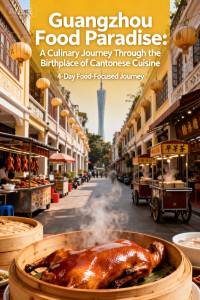
Guangzhou Food Paradise A Culinary Journey Through the Birthplace of Cantonese Cuisine
Guangzhou also known as Canton is the birthplace of Cantonese cuisine one of Chinas eight great culinary traditions This itinerary is designed for food enthusiasts who want to experience authentic Cantonese flavors explore vibrant food markets learn about culinary traditions and taste their way through this dynamic metropolis From morning tea rituals to late night street food adventures discover why Guangzhou is considered Chinas food paradise
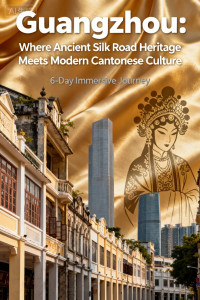
Guangzhou Where Ancient Silk Road Heritage Meets Modern Cantonese Culture
This comprehensive itinerary explores Guangzhou's rich history as the starting point of the Maritime Silk Road, its unique Cantonese culture, stunning architecture, and world-renowned culinary traditions. From ancient temples to modern skyscrapers, traditional tea houses to vibrant markets, experience the perfect fusion of old and new in China's southern gateway city.
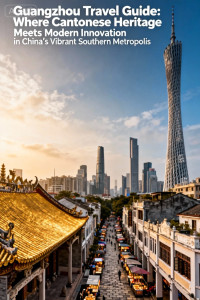
Guangzhou Travel Guide Where Cantonese Heritage Meets Modern Innovation in China's Vibrant Southern Metropolis
Experience the Pearl River Delta metropolis where traditional Cantonese culture meets contemporary innovation Discover ancient temples colonial architecture and worldrenowned cuisine in this vibrant southern Chinese city