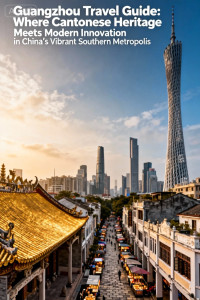
 Tourism Guide
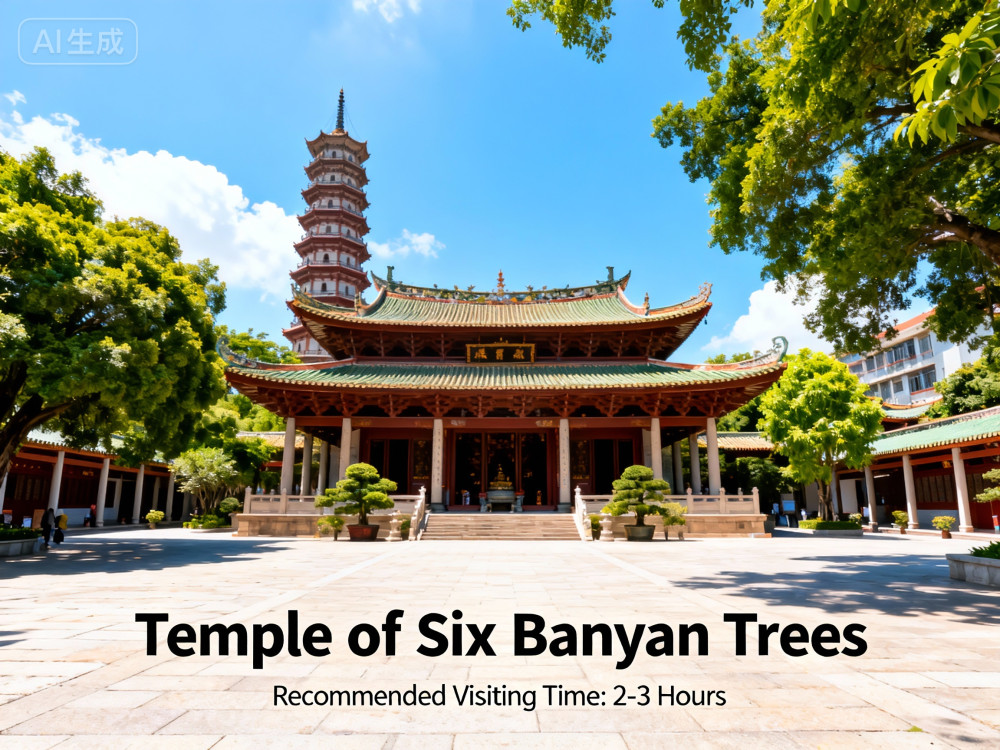
Temple of Six Banyan Trees
A historic Buddhist temple in Guangzhou dating back to 537 AD during the Southern Dynasties period
Key Information
Built Year
537 AD
Architectural Style
Chinese Buddhist Architecture
Main Feature
Flower Pagoda 57 meters tall
Historical Period
Southern Dynasties to Present
UNESCO Status
Not listed but protected cultural relic
Best Time to Visit
October to December
Nearby Attractions
Guangxiao Temple Chen Clan Academy
Transportation
Metro Line 1 Gongyuanqian Station
About Temple of Six Banyan Trees
The Temple of Six Banyan Trees also known as Liurong Temple is one of Guangzhous most famous ancient Buddhist temples with a history spanning over 1400 years The temple was originally built in 537 AD during the Southern Dynasties period by Emperor Wu of Liang to house Buddhist relics brought from India The name Six Banyan Trees comes from the six ancient banyan trees that once grew in the temple courtyard planted by the famous poet Su Shi during the Song Dynasty The temples most prominent feature is the magnificent Flower Pagoda a 57 meter tall octagonal pagoda with nine stories that appears to have thirteen stories from the outside due to its architectural design The pagoda is adorned with colorful glazed tiles and intricate carvings earning it the name Flower Pagoda The temple complex includes several halls such as the Mahavira Hall Six Banyan Hall and Hall of Heavenly Kings each housing precious Buddhist statues and artifacts Throughout its long history the temple has been destroyed and rebuilt several times with the current structures dating mainly from the Qing Dynasty and later restorations Today it serves as both an active Buddhist monastery and a major cultural attraction showcasing the rich Buddhist heritage of Guangzhou
Things to Do
- Admire the magnificent Flower Pagoda with its colorful glazed tiles and intricate architectural details
- Visit the Mahavira Hall to see the three giant bronze Buddha statues representing past present and future
- Explore the Six Banyan Hall and learn about the temples history and connection to the famous poet Su Shi
- See the ancient stone inscriptions and calligraphy works by renowned Chinese scholars throughout history
- Experience the peaceful atmosphere of the temple courtyard and gardens away from the bustling city
- Attend Buddhist ceremonies or meditation sessions if visiting during religious festivals
- Photograph the beautiful traditional Chinese architecture and decorative elements
- Learn about the temples role in cultural exchange between China and India through Buddhist teachings