 Tourism Guide
Harbin Russian Village
A charming cultural enclave showcasing the unique Russian architectural heritage and cultural fusion that defines Harbins history
Key Information
Historical Period
Late 19th to Early 20th Century
Architectural Style
Traditional Russian Wooden Architecture
Cultural Significance
SinoRussian Cultural Exchange Heritage
Best Visiting Season
Winter for Snow Scenery Summer for Cultural Events
Preservation Status
WellPreserved Historical District
UNESCO Recognition
Part of Harbins Historical and Cultural Heritage
Primary Language
Chinese with Russian Cultural Elements
Accessibility
Wheelchair Accessible Main Areas
About Harbin Russian Village
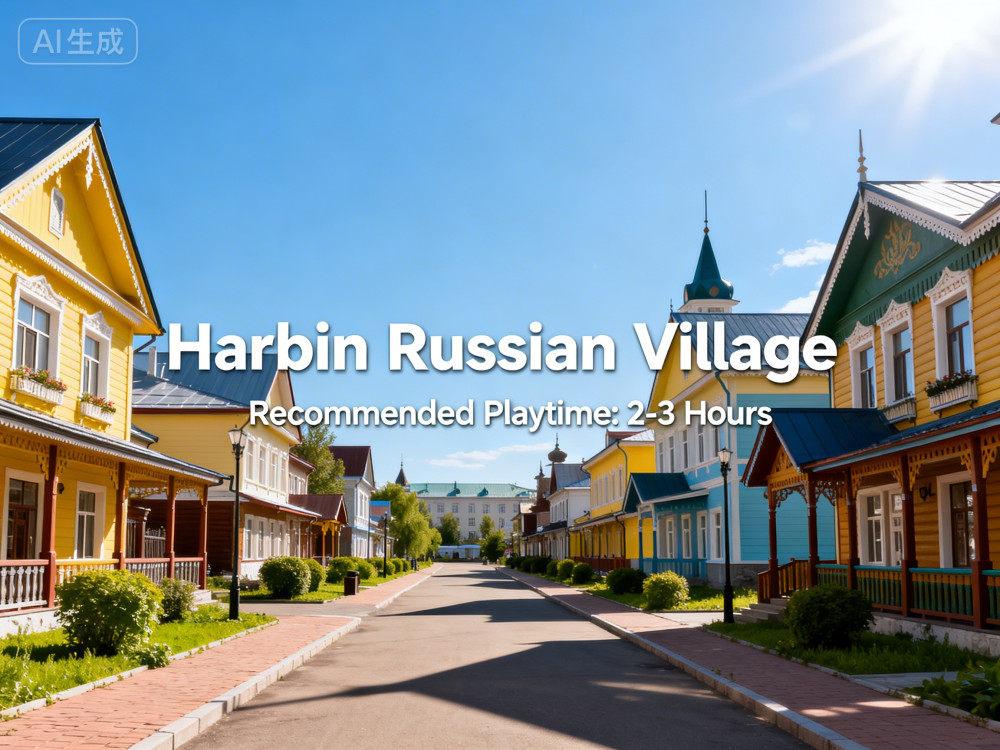
Harbin Russian Village also known as Russian Town is a picturesque cultural district that preserves the rich Russian architectural legacy and cultural influences that have shaped Harbins identity for over a century Located along the Songhua River this beautifully preserved area features authentic Russianstyle wooden houses Orthodox churches and cobblestone streets that transport visitors back to the early 20th century when Russian immigrants first settled in Harbin The village stands as a living testament to the unique SinoRussian cultural exchange that occurred during the construction of the Chinese Eastern Railway Established in the late 19th century Harbin became home to thousands of Russian engineers merchants and aristocrats fleeing the Russian Revolution who brought with them their architectural styles culinary traditions and cultural practices Today the Russian Village serves as both a historical preservation site and a vibrant cultural destination where visitors can experience traditional Russian architecture sample authentic Russian cuisine and learn about the fascinating history of Russian settlement in Northeast China The areas most striking feature is its collection of over 50 wellpreserved Russian wooden houses known as log cabins or izbas each featuring intricate wood carvings colorful window frames and traditional Russian architectural elements The village also includes several Orthodox churches with distinctive onion domes that create a stunning skyline against Harbins modern backdrop Beyond architecture the village offers cultural experiences including Russian folk music performances traditional dance shows and handicraft demonstrations Local artisans create Russianstyle nesting dolls lacquer boxes and embroidered textiles while bakeries produce authentic Russian breads pastries and sweets The village comes alive during winter when snow blankets the wooden houses creating a fairytale atmosphere reminiscent of a Russian winter wonderland This cultural enclave provides a unique opportunity to understand how Russian influences blended with Chinese traditions to create Harbins distinctive multicultural identity making it an essential destination for anyone interested in the citys history architecture and cultural diversity
Things to Do
- Explore the collection of authentic Russian wooden houses with their intricate carvings and colorful architectural details
- Visit the Orthodox churches featuring traditional onion domes and learn about Russian religious architecture
- Sample authentic Russian cuisine at traditional restaurants including borscht pelmeni and blini with caviar
- Watch Russian folk music and dance performances showcasing traditional cultural expressions
- Shop for Russian handicrafts including matryoshka dolls lacquer boxes and embroidered textiles
- Experience winter activities in the snowcovered village creating a fairytale Russian winter atmosphere
- Learn about the history of Russian settlement in Harbin through museum exhibits and historical displays
- Photograph the picturesque streets and architectural details that capture the essence of Russian village life
- Attend cultural festivals and events celebrating Russian traditions and holidays
- Enjoy traditional Russian tea ceremonies with samovars and authentic Russian pastries