 Tourism Guide
Lixia Pavilion
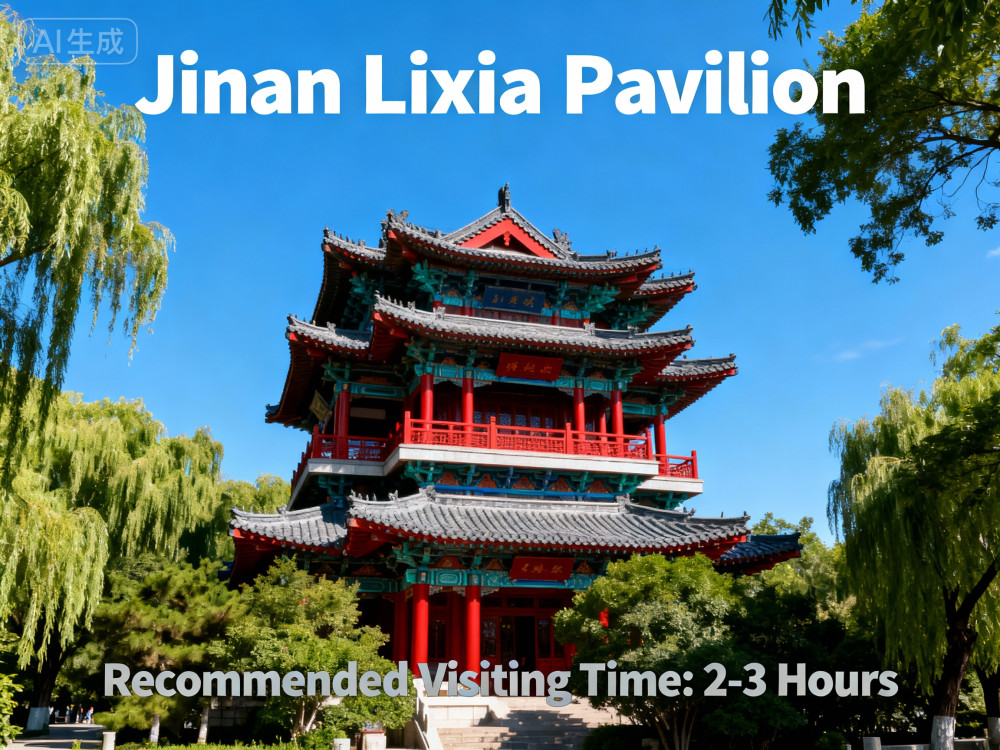
A historic pavilion dating back to the Northern Wei Dynasty, famous for its connection to the renowned Tang Dynasty poet Du Fu and its location in the City of Springs
Key Information
Historical Period
Northern Wei Dynasty to Qing Dynasty
Famous Association
Tang Dynasty poet Du Fu
Architectural Style
Traditional Chinese Pavilion
Best Time to Visit
Spring and Autumn
UNESCO Status
Part of Daming Lake Scenic Area
About Lixia Pavilion
Lixia Pavilion is one of the most famous historical landmarks in Jinan, known as the City of Springs. Originally built during the Northern Wei Dynasty (386-534 AD), the pavilion has been rebuilt and renovated multiple times throughout history. The current structure dates back to the Qing Dynasty. The pavilion's name 'Lixia' comes from the ancient name of Jinan during the Spring and Autumn Period. The pavilion gained its greatest fame from the Tang Dynasty poet Du Fu's famous line 'At Lixia Pavilion, I meet many old friends' in his poem 'Accompanying Li the Imperial Historian on a Visit to Lixia Pavilion'. The pavilion stands on a small island in Daming Lake, surrounded by willow trees and lotus flowers, creating a picturesque scene that perfectly represents Jinan's reputation as a city of water and springs. The architecture features traditional Chinese wooden construction with upturned eaves and intricate carvings, typical of classical Chinese garden architecture.
Things to Do
- Admire the traditional Chinese architecture and intricate wood carvings
- Enjoy the panoramic view of Daming Lake from the pavilion
- Read the famous Du Fu poem inscribed on stone tablets
- Take photographs of the pavilion reflected in the lake water
- Walk around the island and enjoy the surrounding willow trees and lotus flowers
- Learn about the history of Jinan through the pavilion's exhibitions
- Experience the peaceful atmosphere of classical Chinese garden design