 Tourism Guide
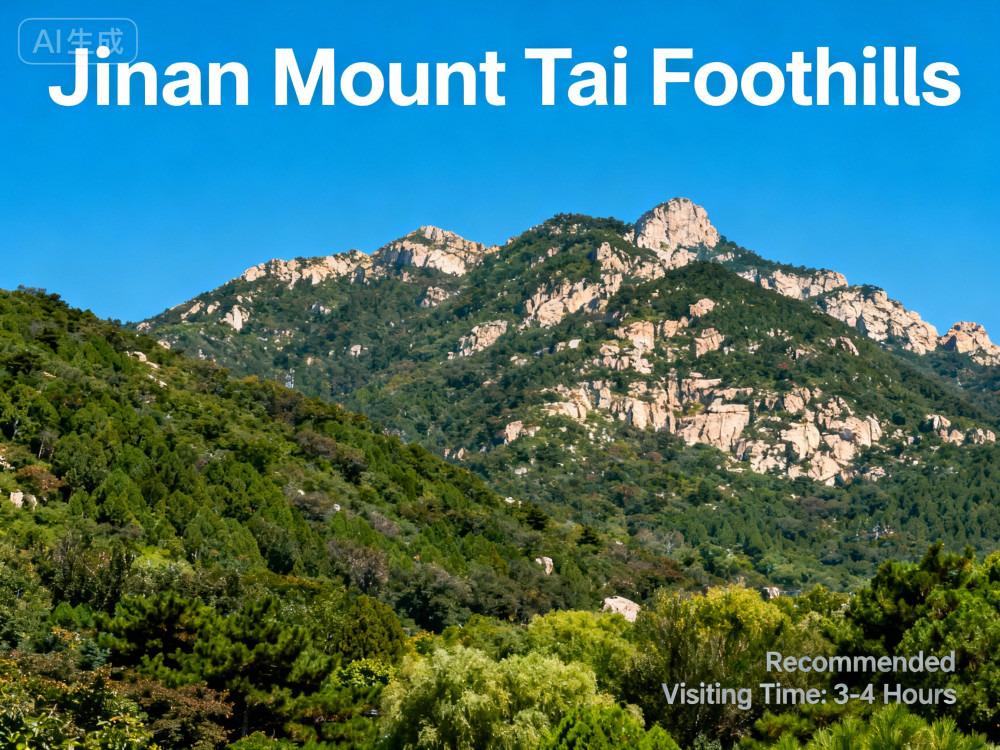
Mount Tai Foothills
The majestic gateway to China's most sacred mountain where ancient spiritual traditions meet breathtaking natural beauty
Key Information
UNESCO Status
World Heritage Site since 1987
Elevation Range
150-800 meters above sea level
Historical Significance
Over 3,000 years of recorded worship
Imperial Visits
72 emperors performed ceremonies here
Best Season
April to October
Annual Visitors
Over 6 million
Stone Inscriptions
More than 2,200 ancient carvings
Temple Complexes
22 major historical temples
Cable Car Availability
Yes, from Middle Heaven Gate
Local Specialty
Tai'an pancake and Mount Tai tea
About Mount Tai Foothills
Mount Tai Foothills serves as the magnificent prelude to Tai Shan, one of China's Five Great Mountains and a UNESCO World Heritage Site. This sacred landscape has been worshipped for over 3,000 years as the easternmost of China's sacred mountains, believed to be the place where the sun rises and life begins. The foothills area encompasses ancient temples, stone inscriptions, pine forests, and winding paths that have been trodden by emperors, scholars, and pilgrims for millennia. As you explore this spiritual landscape, you'll discover why Mount Tai has been called the 'First Mountain Under Heaven' and understand its profound significance in Chinese culture, religion, and history. The area represents a perfect harmony between natural beauty and human spiritual expression.
Things to Do
- Visit Dai Temple at the mountain base to see ancient architecture and imperial inscriptions
- Walk along the Red Gate Palace Path through ancient pine forests
- See the First Heavenly Gate marking the official start of the ascent
- Explore the Stone Valley with its ancient calligraphy carvings
- Visit the Black Dragon Pool and waterfall area
- Experience the cable car ride for panoramic views of the foothills
- Learn about ancient imperial worship ceremonies at the altar sites
- Photograph the sunrise views from strategic foothill viewpoints
- Visit the Mount Tai Museum to understand the mountain's cultural significance
- Enjoy traditional tea at foothill teahouses with mountain views