 Tourism Guide
Thousand Buddha Mountain
A sacred mountain with over 1300 years of Buddhist history featuring thousands of Buddha statues carved into the cliffs
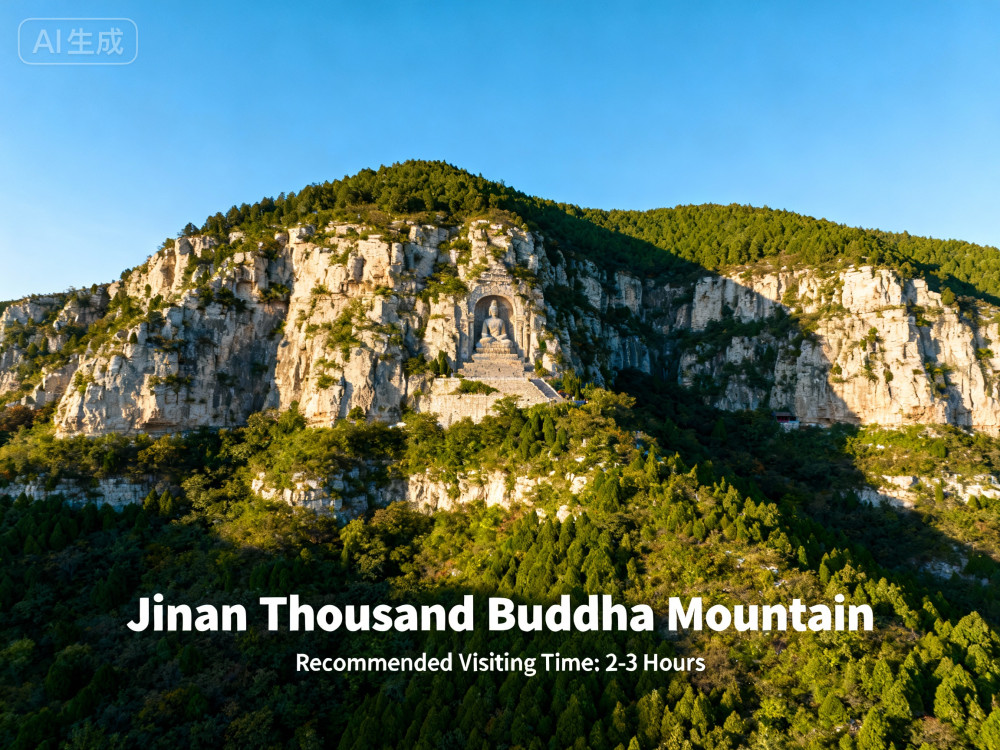
Key Information
Historical Period
Sui Dynasty 581618 AD
Main Attractions
Thousand Buddha Cliff Xingguo Temple Giant Reclining Buddha
Mountain Height
285 meters above sea level
Best Time to Visit
Spring MarchMay and Autumn SeptemberNovember
Cultural Significance
National Key Cultural Relics Protection Unit
Transportation
Bus routes 64 K51 K68 or taxi from city center
Nearby Attractions
Baotu Spring Daming Lake Shandong Museum
Local Cuisine
Try Jinan pancakes sweet potato noodles and Lu cuisine dishes
About Thousand Buddha Mountain
Things to Do
- Visit the Thousand Buddha Cliff to see the magnificent Buddha statues carved during the Sui and Tang dynasties
- Explore Xingguo Temple an ancient Buddhist temple complex at the mountains foot dating back to the Tang Dynasty
- Climb to the summit for breathtaking panoramic views of Jinan City and its famous springs
- Visit the Luoyuan Pavilion and enjoy traditional Chinese architecture amidst beautiful gardens
- See the Giant Reclining Buddha a 10meter long stone carving from the Sui Dynasty
- Explore the Buddhist caves and grottoes containing ancient religious art
- Enjoy the cherry blossoms in spring and colorful foliage in autumn along the mountain paths
- Visit the small museums and exhibition halls showcasing Buddhist artifacts and local history
Related Guides

6-Day Cultural Tour of Jinan Exploring Ancient Temples, Traditional Gardens, and Spring Culture in Shandong's Capital
This 6day cultural tour of Jinan takes you through the citys most significant historical sites ancient temples traditional gardens and unique spring culture Experience the perfect blend of natural beauty and profound cultural heritage in the capital of Shandong Province

4-Day Jinan Nature Itinerary Exploring Famous Springs, Historical Sites & Inspiring Landscapes
This 4day naturefocused itinerary explores Jinans famous springs historical sites and natural landscapes Experience the unique water culture visit ancient temples and enjoy the beautiful scenery that has inspired poets and artists for centuries

3-Day Jinan Itinerary Exploring Famous Springs, Historical Sites & Authentic Shandong Cuisine
This 3day itinerary explores Jinas famous springs historical sites and cultural heritage offering a perfect blend of natural wonders traditional architecture and authentic Shandong cuisine
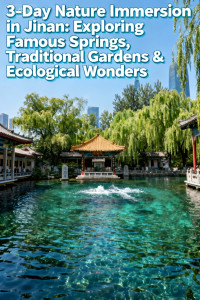
3-Day Nature Immersion in Jinan Exploring Famous Springs, Traditional Gardens & Ecological Wonders
This 3day naturefocused itinerary explores Jinans famous springs beautiful parks and natural landscapes combining traditional Chinese garden aesthetics with ecological wonders

6-Day Nature Immersion in Jinan From Baotu Spring to Thousand Buddha Mountain
This 6day naturefocused itinerary explores Jinas most spectacular natural attractions from the legendary Baotu Spring to the serene Thousand Buddha Mountain Experience the unique spring water culture hike through ancient forests and discover the ecological beauty that has inspired poets for centuries