Skip to content

Shenyang · Attraction

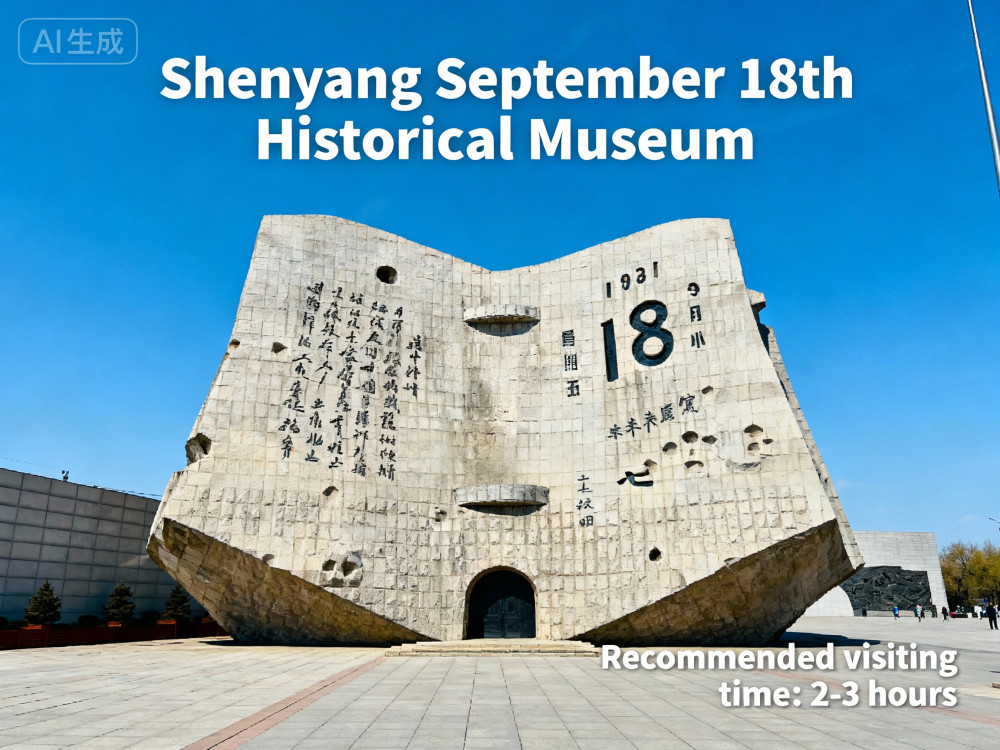
September 18th Historical Museum

A powerful memorial museum documenting the Mukden Incident that marked the beginning of Japans invasion of Northeast China

ShenyangIn the destination guideShenyangExplore
September 18th Historical Museum
Shenyang, ChinaField notes · Attraction
ShenyangHistorical MuseumWar MemorialPatriotism Education

Why go

About September 18th Historical Museum

The September 18th Historical Museum also known as the 918 Museum is a solemn memorial site built on the exact location where the Mukden Incident occurred on September 18 1931 This incident marked the beginning of Japans fullscale invasion of Northeast China and the start of the 14year War of Resistance Against Japanese Aggression The museum complex features a massive openair exhibition with a striking monument shaped like an open calendar page frozen on September 18 1931 Inside the museum visitors will find extensive collections of historical photographs documents artifacts and multimedia presentations that chronicle the events leading up to the incident the subsequent Japanese occupation and the heroic resistance of the Chinese people The exhibitions are arranged chronologically starting from the historical background of Northeast China the planning and execution of the Mukden Incident the establishment of the puppet state of Manchukuo and culminating with the eventual liberation and victory The museums design incorporates symbolic elements throughout including the main monument which represents a torn page of history and the underground exhibition halls that symbolize the darkness of occupation and the resilience of the Chinese spirit

Make time for

Practical ideas, not a checklist

  1. 01Explore the outdoor monument area with its symbolic calendar page design
  2. 02Visit the underground exhibition halls featuring chronological displays of the Mukden Incident
  3. 03Examine authentic historical artifacts including weapons documents and personal belongings
  4. 04Watch multimedia presentations and documentary films about the events
  5. 05Learn about the resistance movements and heroic figures of the period
  6. 06Visit the Peace Bell area for reflection and remembrance
  7. 07Study the detailed timeline of events from 1931 to 1945
  8. 08Explore the special exhibitions on regional history and cultural preservation

Good to know

Established Year
1991
Exhibition Area
12600 square meters
Architectural Style
Modern Memorial Architecture
Main Monument Height
18 meters
Underground Exhibition Space
9180 square meters
Historical Significance
National Patriotism Education Base
Visitor Capacity
3000 people daily
Audio Guide Availability
Available in multiple languages
Photography Policy
Allowed in most areas except special exhibitions
Accessibility Features
Wheelchair accessible with ramps and elevators
More in Shenyang

Keep the day
unfolding.

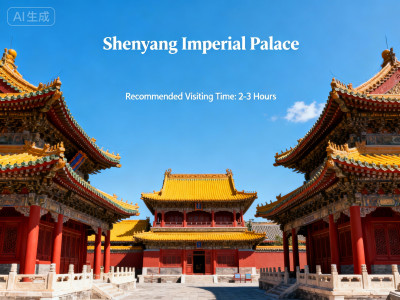
Shenyang Imperial PalaceShenyang

Shenyang Imperial Palace

The Shenyang Imperial Palace also known as Mukden Palace is the only existing royal palace in China outside the Forbidden City in Beijing Built between 1625 and 1636 by Nurhaci the founder of the Qing Dynasty and his son Hong Taiji this magnificent complex served as the imperial residence and administrative center for the early Qing rulers before they conquered the rest of China and moved the capital to Beijing The palace represents a unique fusion of Manchu Tibetan and Han Chinese architectural styles reflecting the multicultural nature of the Qing Empire Covering an area of 60000 square meters with over 300 rooms the complex is divided into three main sections the eastern section with its distinctive octagonal Dazheng Hall where important ceremonies were held the central section with the emperors living quarters and administrative buildings and the western section added later by Emperor Qianlong The palace houses an extensive collection of Qing Dynasty artifacts including imperial robes weapons musical instruments and precious artworks In 2004 it was designated as a UNESCO World Heritage Site as an extension of the Imperial Palaces of the Ming and Qing Dynasties

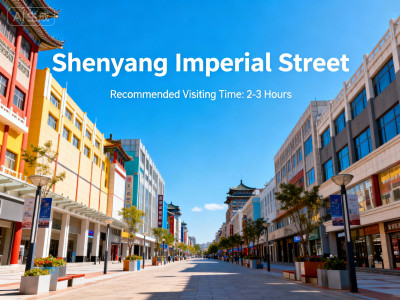
Imperial StreetShenyang

Imperial Street

Imperial Street also known as Shenyang Zhongjie is one of the oldest and most famous commercial streets in Northeast China Located in the heart of Shenyang this pedestrian street stretches for about 1500 meters and dates back to the Qing Dynasty The street perfectly blends traditional Chinese architecture with modern commercial development creating a unique atmosphere where history meets contemporary life As you walk along Imperial Street youll notice the distinctive Qing Dynasty style buildings with their curved roofs intricate wood carvings and traditional Chinese architectural elements The street was originally developed during the reign of Emperor Nurhaci the founder of the Qing Dynasty and served as a major commercial hub connecting the Imperial Palace with the rest of the city Today it remains a vibrant shopping and cultural destination where visitors can experience both Shenyangs historical legacy and its modern urban life

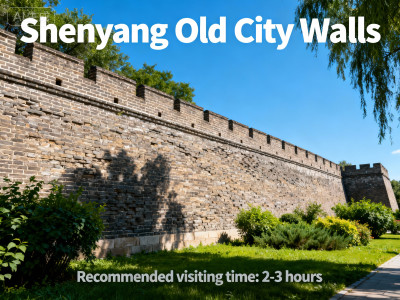
Shenyang Old City WallsShenyang

Shenyang Old City Walls

The Shenyang Old City Walls represent one of the most significant historical landmarks in Northeast China, serving as the original defensive fortifications of Shenyang during the Ming and Qing dynasties. These walls were constructed in the 14th century and played a crucial role in the rise of the Qing Dynasty, as Shenyang served as the early capital before the Manchu rulers moved to Beijing. The walls originally formed a square-shaped enclosure with eight gates, stretching approximately 10 kilometers in circumference and standing about 11 meters high. While much of the original structure has been lost to time and urban development, several restored sections and gates remain as testament to Shenyang's historical importance as the political and military center of Manchuria. The walls showcase traditional Chinese military architecture with their massive rammed earth construction, brick facing, and strategic gate towers that once controlled access to the city.