Skip to content

Shenyang · Attraction

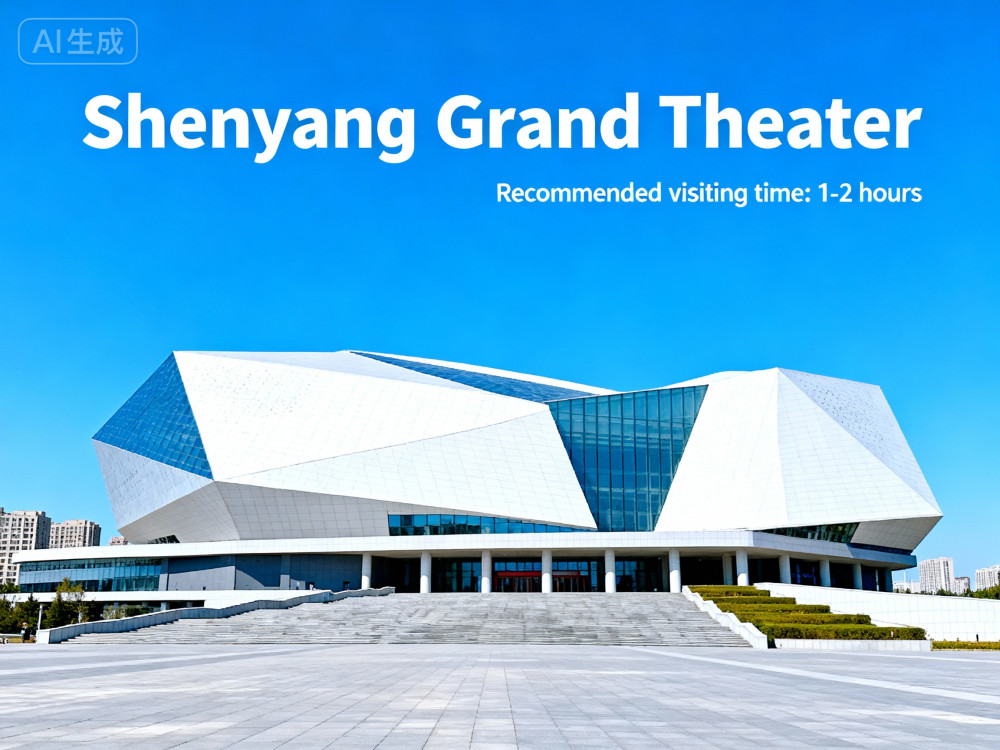
Shenyang Grand Theater

A magnificent cultural landmark and premier performing arts venue in Northeast China

ShenyangIn the destination guideShenyangExplore
Shenyang Grand Theater
Shenyang, ChinaField notes · Attraction
ShenyangPerforming ArtsCultural VenueArchitecture

Why go

About Shenyang Grand Theater

Shenyang Grand Theater stands as one of the most important cultural institutions in Northeast China, representing the fusion of modern architecture with traditional performing arts. Opened in 2005, this state-of-the-art facility covers approximately 85,000 square meters and serves as the cultural heart of Shenyang, the capital of Liaoning Province. The theaters distinctive design features a striking glass facade that resembles a crystal palace, symbolizing the citys commitment to artistic excellence and cultural development.

Inside, visitors discover world-class acoustics, advanced stage technology, and elegant interiors that create the perfect environment for experiencing both traditional Chinese performances and international productions. As the main venue for the Shenyang International Music Festival and numerous cultural exchanges, the theater plays a crucial role in promoting cultural dialogue between China and the world while preserving and showcasing the rich artistic heritage of Northeast China.

Make time for

Practical ideas, not a checklist

  1. 01Attend classical music concerts featuring both Chinese and international orchestras
  2. 02Experience traditional Chinese opera performances including Peking Opera and local Liaoning styles
  3. 03Watch ballet and modern dance performances by renowned Chinese and international companies
  4. 04Enjoy theatrical productions ranging from Shakespearean classics to contemporary Chinese drama
  5. 05Participate in cultural festivals and special events throughout the year
  6. 06Take a guided backstage tour to learn about theater operations and stage technology
  7. 07Visit the exhibition halls showcasing Chinese performing arts history and costumes
  8. 08Attend educational workshops and masterclasses with visiting artists

Good to know

Architectural Style
Modern Contemporary with Chinese Cultural Elements
Construction Year
2005
Total Area
85000 square meters
Main Auditorium Capacity
1800 seats
Small Theater Capacity
400 seats
Multifunctional Hall Capacity
300 seats
Acoustic Design
World-class by Nagata Acoustics Japan
Stage Technology
Advanced German and Japanese systems
Annual Performances
Over 300 shows
Cultural Significance
Key venue for Northeast China cultural exchange
More in Shenyang

Keep the day
unfolding.

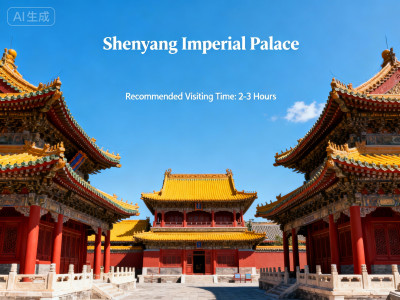
Shenyang Imperial PalaceShenyang

Shenyang Imperial Palace

The Shenyang Imperial Palace also known as Mukden Palace is the only existing royal palace in China outside the Forbidden City in Beijing Built between 1625 and 1636 by Nurhaci the founder of the Qing Dynasty and his son Hong Taiji this magnificent complex served as the imperial residence and administrative center for the early Qing rulers before they conquered the rest of China and moved the capital to Beijing The palace represents a unique fusion of Manchu Tibetan and Han Chinese architectural styles reflecting the multicultural nature of the Qing Empire Covering an area of 60000 square meters with over 300 rooms the complex is divided into three main sections the eastern section with its distinctive octagonal Dazheng Hall where important ceremonies were held the central section with the emperors living quarters and administrative buildings and the western section added later by Emperor Qianlong The palace houses an extensive collection of Qing Dynasty artifacts including imperial robes weapons musical instruments and precious artworks In 2004 it was designated as a UNESCO World Heritage Site as an extension of the Imperial Palaces of the Ming and Qing Dynasties

Imperial StreetShenyang

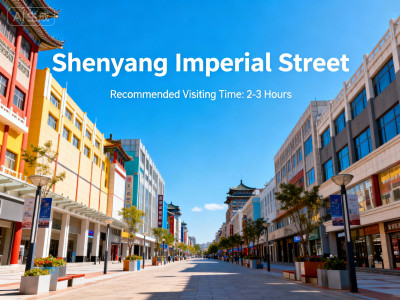
Imperial Street

Imperial Street also known as Shenyang Zhongjie is one of the oldest and most famous commercial streets in Northeast China Located in the heart of Shenyang this pedestrian street stretches for about 1500 meters and dates back to the Qing Dynasty The street perfectly blends traditional Chinese architecture with modern commercial development creating a unique atmosphere where history meets contemporary life As you walk along Imperial Street youll notice the distinctive Qing Dynasty style buildings with their curved roofs intricate wood carvings and traditional Chinese architectural elements The street was originally developed during the reign of Emperor Nurhaci the founder of the Qing Dynasty and served as a major commercial hub connecting the Imperial Palace with the rest of the city Today it remains a vibrant shopping and cultural destination where visitors can experience both Shenyangs historical legacy and its modern urban life

Shenyang Old City WallsShenyang

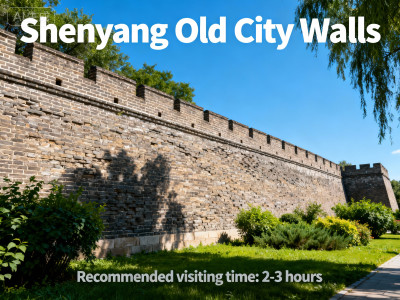
Shenyang Old City Walls

The Shenyang Old City Walls represent one of the most significant historical landmarks in Northeast China, serving as the original defensive fortifications of Shenyang during the Ming and Qing dynasties. These walls were constructed in the 14th century and played a crucial role in the rise of the Qing Dynasty, as Shenyang served as the early capital before the Manchu rulers moved to Beijing. The walls originally formed a square-shaped enclosure with eight gates, stretching approximately 10 kilometers in circumference and standing about 11 meters high. While much of the original structure has been lost to time and urban development, several restored sections and gates remain as testament to Shenyang's historical importance as the political and military center of Manchuria. The walls showcase traditional Chinese military architecture with their massive rammed earth construction, brick facing, and strategic gate towers that once controlled access to the city.