 Tourism Guide
Shenyang Imperial Palace
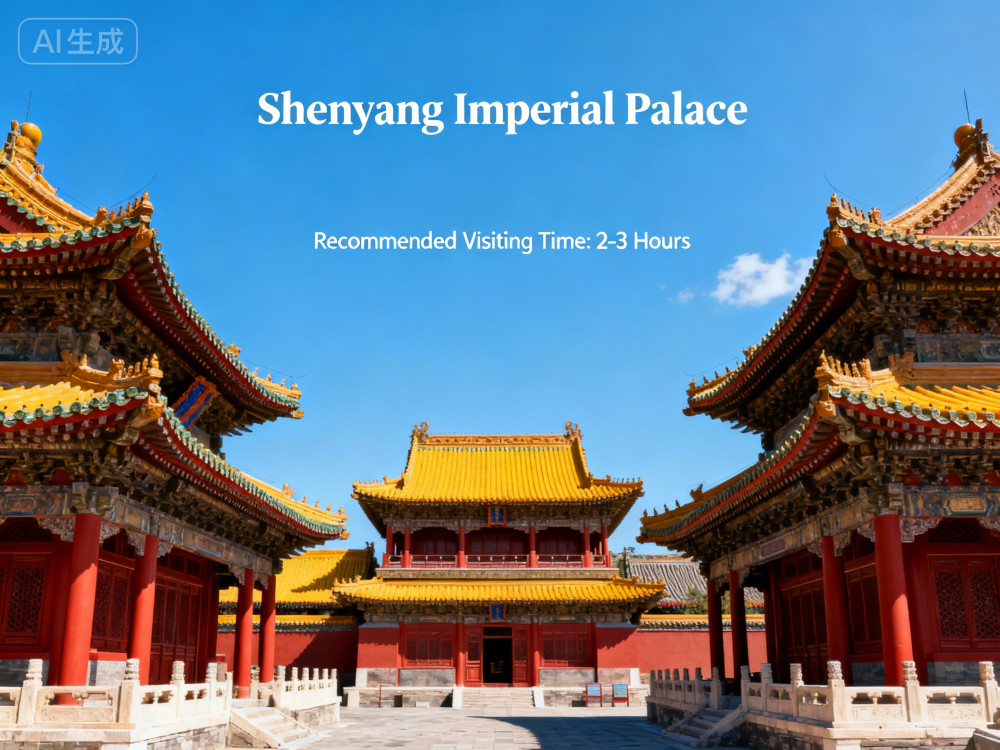
The Shenyang Imperial Palace is the former imperial palace of the early Qing Dynasty, serving as the political and cultural center before the Manchu rulers moved to Beijing
Key Information
UNESCO World Heritage Site
Yes since 2004
Construction Period
1625-1636
Total Area
60000 square meters
Architectural Style
Manchu Tibetan Han Chinese fusion
Number of Buildings
114
Museum Collections
Over 10000 artifacts
Best Time to Visit
April to October
Audio Guide Available
Yes in multiple languages
Photography Allowed
Yes except in some exhibition areas
Nearest Metro Station
Zhongjie Station Line 1
About Shenyang Imperial Palace
The Shenyang Imperial Palace also known as Mukden Palace is the only existing royal palace in China outside the Forbidden City in Beijing Built between 1625 and 1636 by Nurhaci the founder of the Qing Dynasty and his son Hong Taiji this magnificent complex served as the imperial residence and administrative center for the early Qing rulers before they conquered the rest of China and moved the capital to Beijing The palace represents a unique fusion of Manchu Tibetan and Han Chinese architectural styles reflecting the multicultural nature of the Qing Empire Covering an area of 60000 square meters with over 300 rooms the complex is divided into three main sections the eastern section with its distinctive octagonal Dazheng Hall where important ceremonies were held the central section with the emperors living quarters and administrative buildings and the western section added later by Emperor Qianlong The palace houses an extensive collection of Qing Dynasty artifacts including imperial robes weapons musical instruments and precious artworks In 2004 it was designated as a UNESCO World Heritage Site as an extension of the Imperial Palaces of the Ming and Qing Dynasties
Things to Do
- Explore the Dazheng Hall with its unique octagonal shape and dragon pillars
- Visit the Chongzheng Hall where Emperor Hong Taiji held court
- See the Phoenix Tower offering panoramic views of the palace complex
- Admire the Qingning Palace the emperors living quarters
- Examine the extensive collection of Qing Dynasty artifacts in the museum
- Walk through the beautiful imperial gardens and courtyards
- Learn about Manchu culture and early Qing history
- Photograph the distinctive architectural details blending different styles
- Attend cultural performances and exhibitions when available
- Compare the architecture with the Forbidden City in Beijing