 Tourism Guide
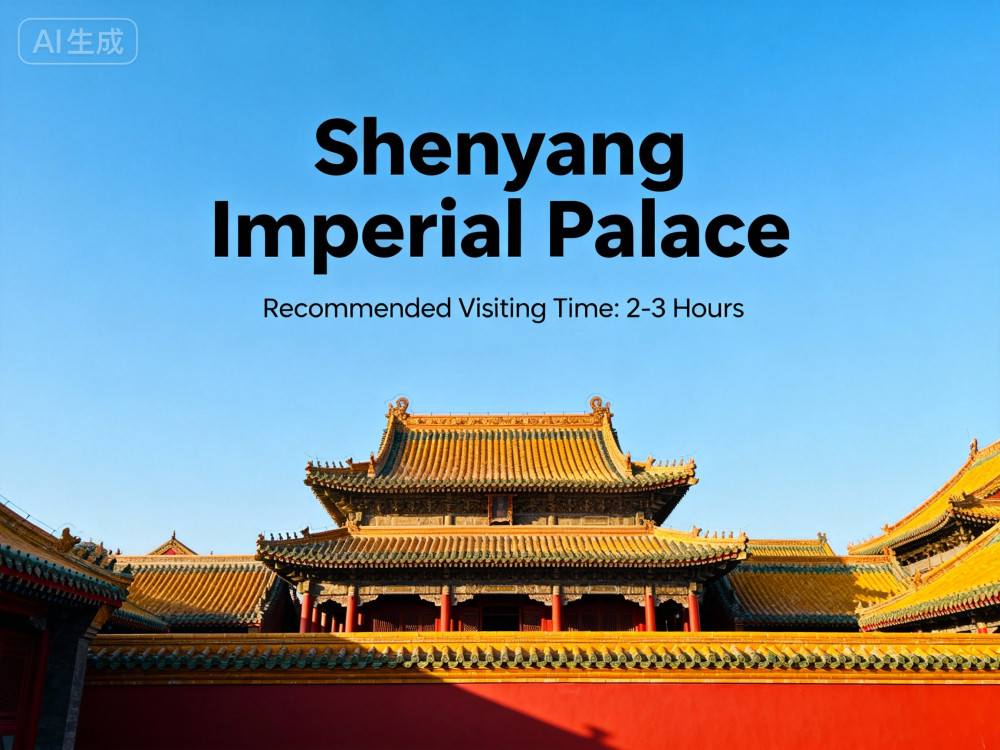
Shenyang Imperial Palace
The only imperial palace outside Beijing showcasing early Qing Dynasty architecture and Manchu cultural heritage
Key Information
Built Year
1625-1636
Architectural Style
Manchu Chinese Mongolian Fusion
UNESCO Status
World Heritage Site since 2004
Total Area
60,000 square meters
Number of Buildings
114
Founder
Nurhaci
Historical Period
Early Qing Dynasty
Main Features
Dragon Throne Phoenix Tower Ten Kings Pavilion
Shenyang Imperial Palace also known as Mukden Palace is the former imperial palace of the early Qing Dynasty Built between 1625 and 1636 by Nurhaci the founder of the Qing Dynasty and his son Hong Taiji this magnificent complex served as the political and cultural center before the Qing rulers moved to Beijing Covering 60,000 square meters with over 300 rooms the palace represents a unique fusion of Han Chinese Manchu and Mongolian architectural styles Unlike the Forbidden City in Beijing Shenyang Imperial Palace features distinctive Manchu characteristics including elevated buildings on earthen platforms and the use of yellow and green glazed tiles The complex is divided into three main sections the eastern section with the Hall of Great Affairs the central section with the Chongzheng Hall and the western section with the Phoenix Tower This UNESCO World Heritage Site offers visitors a rare glimpse into the early Qing Dynasty and the cultural transition from nomadic traditions to imperial rule
Things to Do
- Explore the Hall of Great Affairs where important state ceremonies were held
- Visit the Chongzheng Hall the main administrative building of the palace
- Climb the Phoenix Tower for panoramic views of the entire complex
- Admire the exquisite Dragon Throne in Dazheng Hall
- Discover the Ten Kings Pavilion showcasing unique octagonal architecture
- Walk through the Imperial Garden and appreciate traditional landscaping
- Examine the collection of Qing Dynasty artifacts and imperial treasures
- Learn about Manchu culture and early Qing history through exhibitions
- Photograph the distinctive yellow and green glazed roof tiles
- Attend cultural performances and traditional ceremonies during festivals