 Tourism Guide
Tiexi Industrial Zone
The cradle of Chinas industrial revolution and a living museum of industrial heritage
Key Information
Historical Period
1930s-Present
Architectural Style
Industrial Soviet Japanese Colonial
UNESCO Status
Not Listed
Best Time to Visit
April to October
Accessibility
Partially Accessible
Photography
Allowed and Encouraged
Guided Tours
Available in English
Nearest Metro
Tiexi Square Station
About Tiexi Industrial Zone
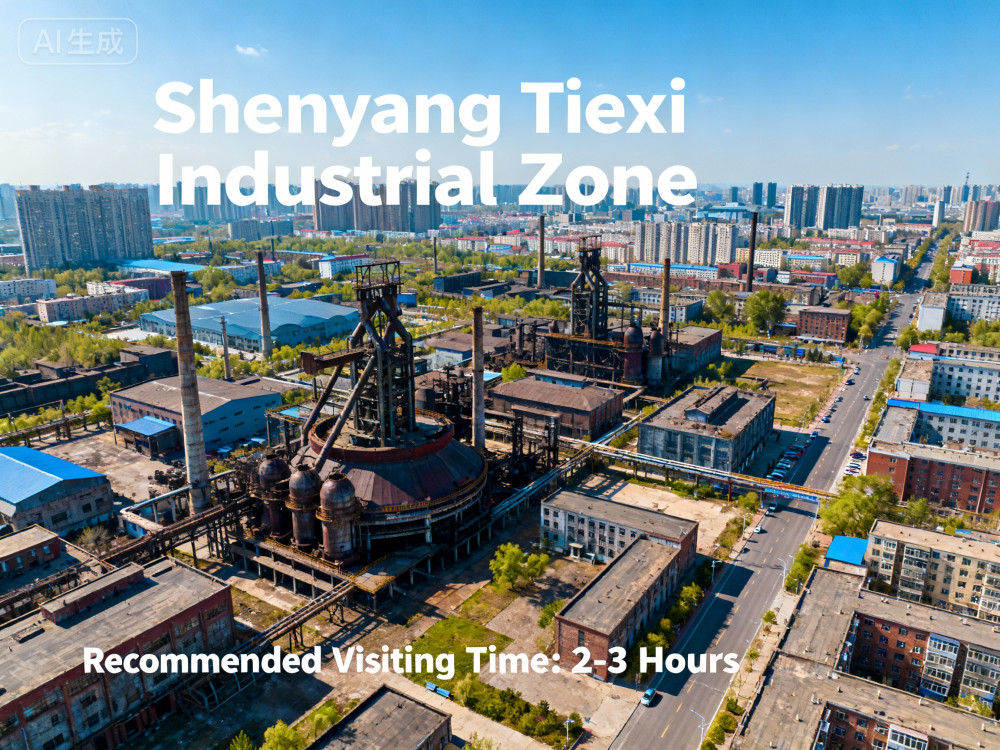
Tiexi Industrial Zone known as the Oriental Ruhr is the birthplace of modern Chinese industry Located in western Shenyang this vast industrial complex was once the largest and most comprehensive industrial base in Asia Established during the Japanese occupation in the 1930s and expanded significantly during the Sovietassisted industrialization of the 1950s Tiexi became the heart of Chinas heavy industry producing everything from machine tools and locomotives to military equipment and consumer goods At its peak in the 1980s the zone employed over one million workers and contributed significantly to Chinas economic development Today this transformed industrial landscape stands as a testament to Chinas industrial heritage with repurposed factories creative art districts and museums that tell the story of Chinas journey from industrial powerhouse to modern economic giant The zones unique blend of Sovietinspired architecture Japanese colonial structures and Chinese industrial design creates a fascinating urban landscape where rusting machinery coexists with contemporary art galleries and where the echoes of factory whistles mingle with the sounds of creative innovation
Things to Do
- Explore the Industrial Heritage Museum housed in a former factory building
- Visit the 1905 Creative Cultural Park a transformed industrial space with art galleries
- Walk through the preserved factory workshops with original machinery
- Experience the Shenyang Casting Museum showcasing traditional metalworking techniques
- Photograph the dramatic industrial architecture and Sovietstyle worker housing
- Attend cultural events and art exhibitions in repurposed industrial spaces
- Learn about the lives of industrial workers through interactive exhibits
- See the transformation from heavy industry to creative economy firsthand