Why go
About
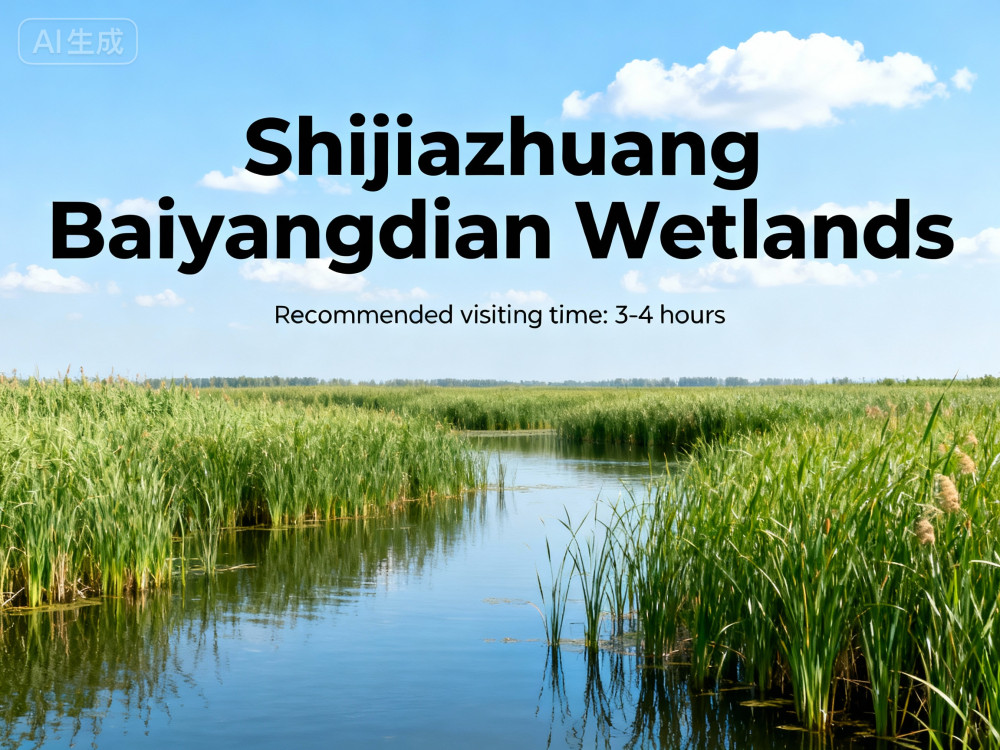
Baiyangdian Wetlands is the largest freshwater wetland in North China, located about 150 kilometers south of Beijing in Hebei Province. Covering an area of approximately 366 square kilometers, this magnificent wetland ecosystem consists of 143 interconnected lakes and thousands of hectares of reed marshes. The name Baiyangdian means White Poplar Lake, referring to the white poplar trees that once grew abundantly around its shores.
This wetland plays a crucial ecological role as a natural water purification system and habitat for numerous bird species, earning it the nickname Kidney of North China. The area is also famous for its rich cultural heritage, being the setting for many revolutionary stories during the Anti-Japanese War and serving as inspiration for numerous literary works. The wetland features traditional fishing villages, ancient water towns, and unique floating communities where people have lived in harmony with the water for centuries.
Make time for
Practical ideas, not a checklist
- Take a traditional wooden boat tour through the intricate network of waterways and channels
- Visit the Baiyangdian Revolutionary Memorial Hall to learn about the areas wartime history
- Explore the traditional fishing villages and floating communities on the water
- Go bird watching to spot migratory birds including cranes
- herons
- and egrets
- Experience traditional fishing methods with local fishermen
- Visit the Lotus Garden during summer when thousands of lotus flowers bloom
- Try local delicacies like braised fish
- lotus root dishes
- and reed shoot soup
- Walk along the wetland boardwalks and observation platforms
- Visit the Baiyangdian Museum to learn about wetland ecology and conservation
- Take a sunset cruise to see the wetlands golden hour transformation
Good to know
- Area
- 366 square kilometers
- Number of Lakes
- 143 interconnected lakes
- Best Time to Visit
- April to October
- UNESCO Status
- Ramsar Wetland of International Importance
- Main Attractions
- Lotus Garden, Fishing Villages, Reed Marshes
- Bird Species
- Over 200 species recorded
- Water Depth
- Average 2-4 meters
- Annual Visitors
- Over 1 million
- Local Specialty
- Baiyangdian Fish, Lotus Products
- Cultural Significance
- Revolutionary Base Area during Anti-Japanese War