 Tourism Guide
Mountain Temples
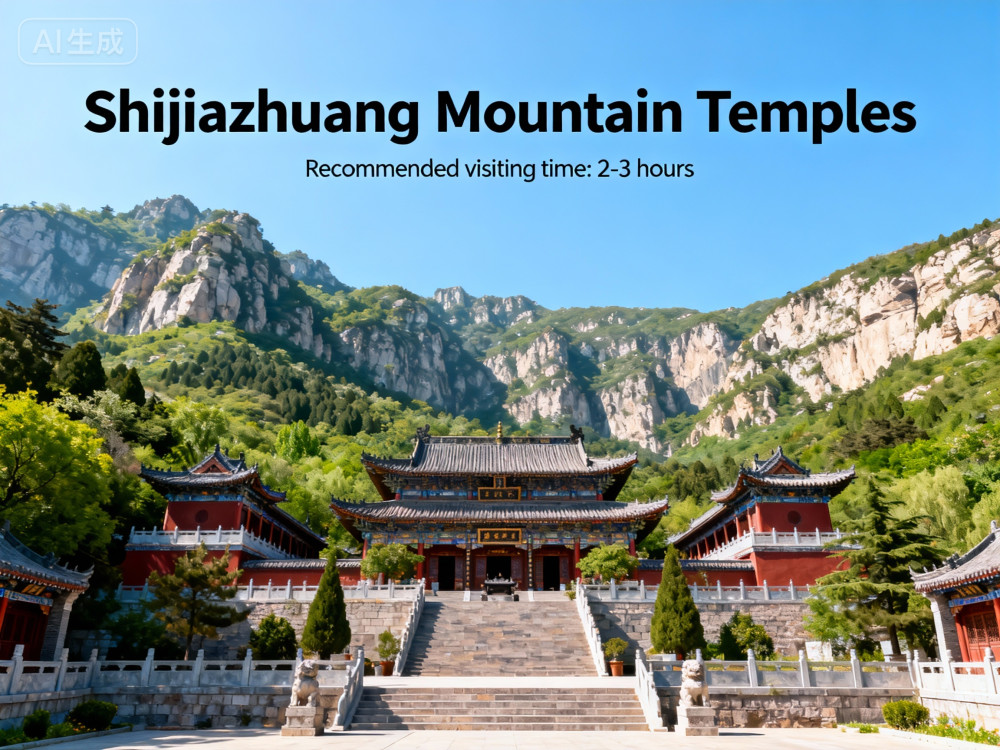
A collection of ancient Buddhist temples nestled in the scenic mountains surrounding Shijiazhuang showcasing centuries of religious heritage and architectural marvels
Key Information
Historical Period
Northern Wei Dynasty to Qing Dynasty
Architectural Style
Traditional Chinese Buddhist Temple Architecture
Main Deities
Buddha Guanyin Bodhisattvas
Best Visiting Season
Spring and Autumn
Altitude Range
300-800 meters above sea level
UNESCO Status
Part of Hebei Cultural Heritage Sites
Construction Materials
Wood Stone Brick and Glazed Tiles
Cultural Significance
Important Buddhist Pilgrimage Site in Northern China
About Mountain Temples
The Mountain Temples of Shijiazhuang represent a remarkable collection of Buddhist temples dating back to the Northern Wei Dynasty 386-535 AD and continuing through successive dynasties These sacred sites are strategically built into the natural mountain landscape creating a harmonious blend of human artistry and natural beauty The temples feature traditional Chinese Buddhist architecture with intricate wood carvings stone sculptures and colorful murals depicting Buddhist teachings and legends Many temples house ancient scriptures bronze statues and cultural relics that have survived centuries of history The mountain setting provides not only spiritual tranquility but also breathtaking panoramic views of the surrounding Hebei countryside making it both a religious pilgrimage site and a natural wonder
Things to Do
- Explore the main temple complex with its ancient halls and courtyards
- Admire the intricate Buddhist statues and religious artifacts
- Hike along the mountain paths connecting different temple sites
- Enjoy panoramic views of the surrounding landscape from elevated temple locations
- Participate in traditional Buddhist ceremonies during festival periods
- Study the ancient stone inscriptions and calligraphy
- Photograph the architectural details and natural scenery
- Experience the peaceful atmosphere of meditation halls