 Tourism Guide
Coastal Tidal Flats
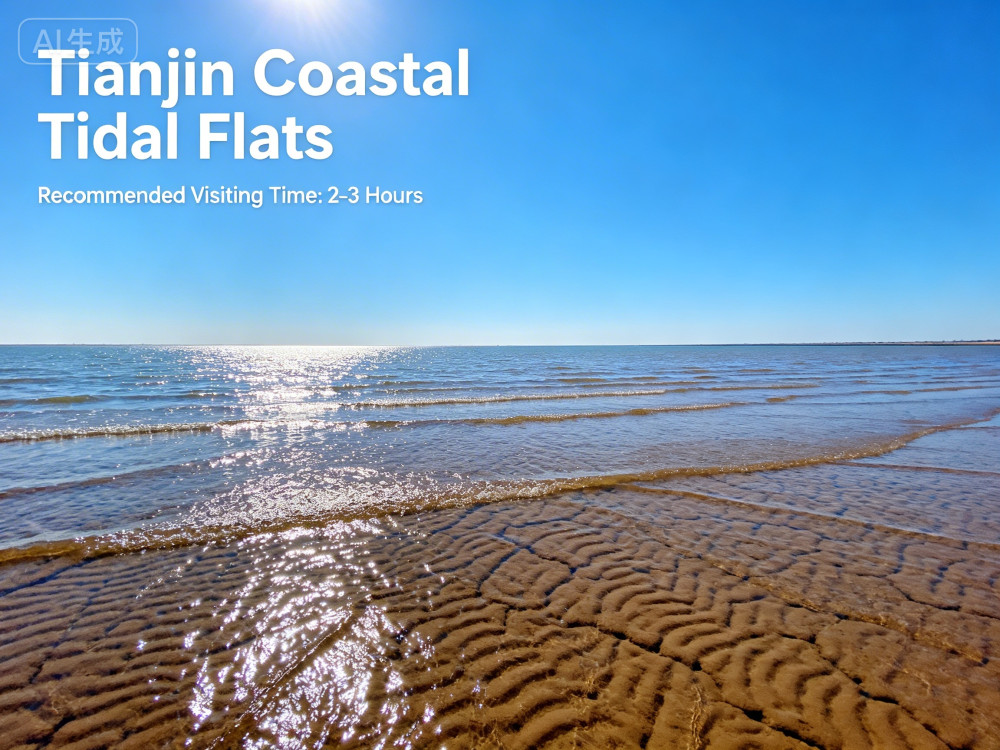
Tianjin Coastal Tidal Flats represent one of Chinas most unique ecological landscapes where the mighty Yellow River meets the Bohai Sea creating a vast intertidal zone teeming with biodiversity and natural wonders
Key Information
Best Visiting Season
Spring and Autumn for bird migration
Conservation Status
Protected Wetland Area
Migratory Bird Species
Over 200 species recorded
Tidal Range
24 meters average
Total Area
Approximately 500 square kilometers
UNESCO Designation
Part of Yellow River Delta Biosphere Reserve
Local Cuisine
Fresh seafood from tidal flats
Accessibility
Boardwalks and observation platforms available
About Coastal Tidal Flats
The Coastal Tidal Flats of Tianjin form a spectacular natural phenomenon along the Bohai Bay coastline where the Yellow River deposits rich sediments creating extensive mudflats that transform dramatically with the tides This unique ecosystem serves as a critical stopover point for migratory birds along the East AsianAustralasian Flyway making it a paradise for birdwatchers and nature enthusiasts The tidal flats stretch across kilometers of coastline offering breathtaking views of the meeting point between river and sea where the interplay of water land and sky creates everchanging patterns and colors Throughout the year the area hosts millions of migratory birds including endangered species like the redcrowned crane Saunders gull and blackfaced spoonbill Beyond its ecological significance the tidal flats hold cultural importance as traditional fishing grounds where local communities have practiced sustainable harvesting methods for generations The area also features unique geological formations and serves as a natural laboratory for studying coastal processes and climate change impacts
Things to Do
- Birdwatching during migration seasons spring and autumn
- Photographing the dramatic tidal changes and sunset views
- Exploring the unique mudflat ecosystem and its inhabitants
- Learning about traditional fishing methods from local communities
- Visiting nearby wetland conservation centers and museums
- Participating in guided ecological tours with expert naturalists
- Observing the fascinating interplay between river and sea currents
- Studying the unique geological formations and sediment patterns