 Tourism Guide
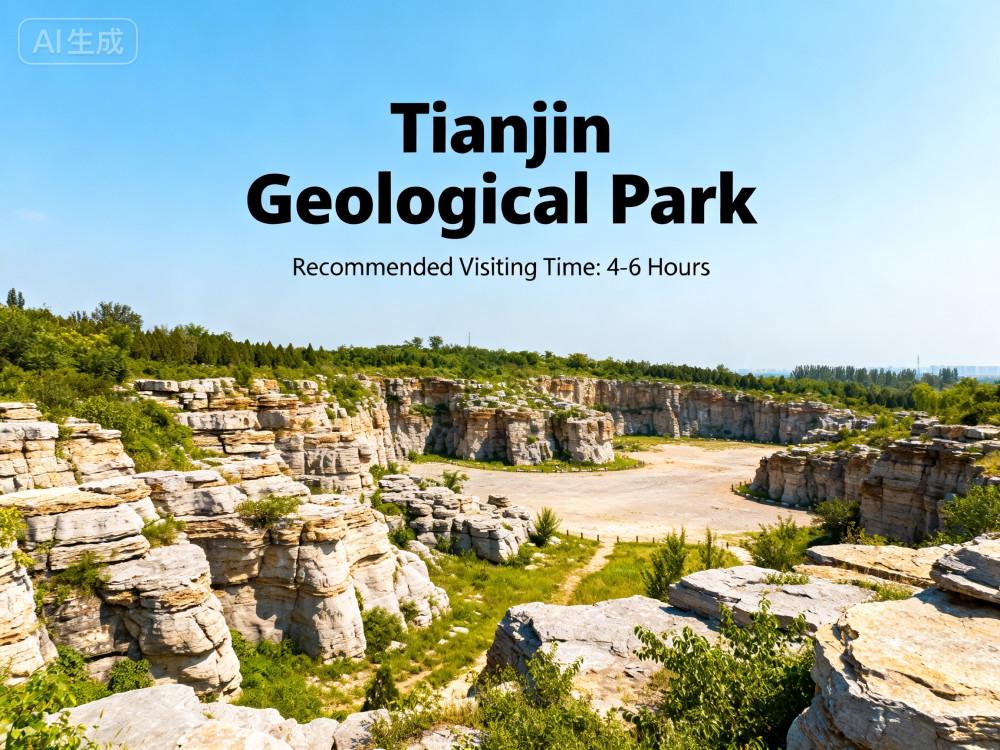
Tianjin Geological Park
A geological wonderland showcasing millions of years of Earths history through unique rock formations and fossil discoveries
Key Information
Established Year
2009
Area Size
342 square kilometers
Geological Age Range
1.4 billion years
Main Geological Features
Proterozoic formations, karst landscapes, fossil beds
UNESCO Status
Part of Huangyaguan Great Wall UNESCO World Heritage
Best Visiting Season
Spring and Autumn
Accessibility
Partially wheelchair accessible
Guided Tour Availability
Available in English and Chinese
About Tianjin Geological Park
Tianjin Geological Park is a remarkable natural museum that unveils the geological history of northern China spanning over 1.4 billion years. Located in the Jizhou District of Tianjin, this park covers approximately 342 square kilometers and serves as a living textbook of Earths evolution. The park features spectacular geological formations including the famous Huangyaguan Great Wall section built on quartzite mountains, ancient marine fossil beds, and unique karst landscapes. Visitors can explore various geological wonders such as the Middle Proterozoic Changcheng System rock formations, which are among the oldest exposed rocks in the region. The park also showcases evidence of ancient volcanic activity, sedimentary layers that tell stories of changing climates, and tectonic movements that shaped the North China Plain. Beyond its geological significance, the park integrates cultural elements with the nearby Huangyaguan section of the Great Wall, creating a perfect blend of natural wonders and human history. Educational trails, observation platforms, and interactive exhibits make this park an ideal destination for both geological enthusiasts and general tourists seeking to understand the deep history of our planet.
Things to Do
- Explore the Huangyaguan Great Wall section built on ancient quartzite formations
- Visit the Geological Museum to see fossil collections and rock samples
- Walk along the Geological Trail to observe different rock layers and formations
- Participate in fossil hunting activities in designated areas
- Take guided tours to learn about plate tectonics and geological history
- Photograph the unique karst landscapes and rock formations
- Attend educational workshops about Earth sciences
- Hike through different geological zones showcasing various rock types