 Tourism Guide
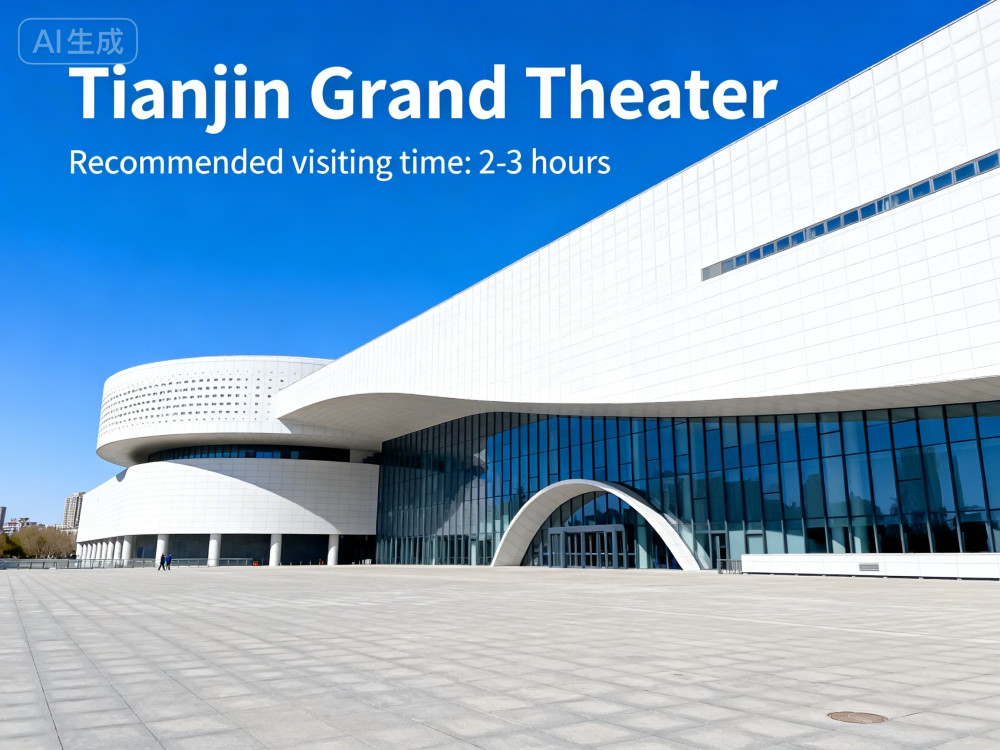
Tianjin Grand Theater
A magnificent cultural landmark and architectural masterpiece that stands as one of Tianjins most iconic performing arts venues
Key Information
Architectural Style
Modern Expressionist
Construction Year
2012
Architect
GMP Architekten
Total Area
103,000 square meters
Main Performance Halls
3
Maximum Capacity
3,200 seats
Acoustic Design
State-of-the-art German technology
Cultural Significance
National cultural landmark
Nearby Attractions
Haihe River, Tianjin Museum, Tianjin Library
Best Time to Visit
Evening for performances and lighting effects
About Tianjin Grand Theater
The Tianjin Grand Theater is a stunning modern architectural marvel that serves as the cultural heart of Tianjin. Designed by the renowned German architectural firm GMP, this magnificent structure opened in 2012 and has since become a symbol of Tianjins cultural renaissance. The theaters unique design features three main performance halls housed under a single, flowing roof that resembles a seashell or a blossoming flower, paying homage to Tianjins coastal heritage. The complex includes a 1,600-seat opera house, a 1,200-seat concert hall, and a 400-seat multi-functional theater, all equipped with state-of-the-art acoustics and lighting systems. The theaters exterior is clad in shimmering aluminum panels that reflect the changing light throughout the day, creating a dynamic visual experience. Located in the Hexi District along the Haihe River, the theater is part of Tianjins cultural corridor and serves as a premier venue for both local and international performances, including opera, ballet, symphony concerts, and traditional Chinese theater.
Things to Do
- Attend world-class opera and ballet performances
- Experience symphony concerts by renowned orchestras
- Watch traditional Chinese opera and theater productions
- Take architectural photography of the stunning modern design
- Enjoy evening light shows on the theaters exterior
- Visit the adjacent cultural plaza and riverfront promenade
- Attend cultural festivals and special events
- Take guided tours of the theaters interior spaces
- Explore the surrounding Haihe River cultural district
- Attend educational programs and masterclasses