 Tourism Guide
Great Mosque of Xian
A unique architectural masterpiece blending Islamic and Chinese traditions in the heart of Xians Muslim Quarter
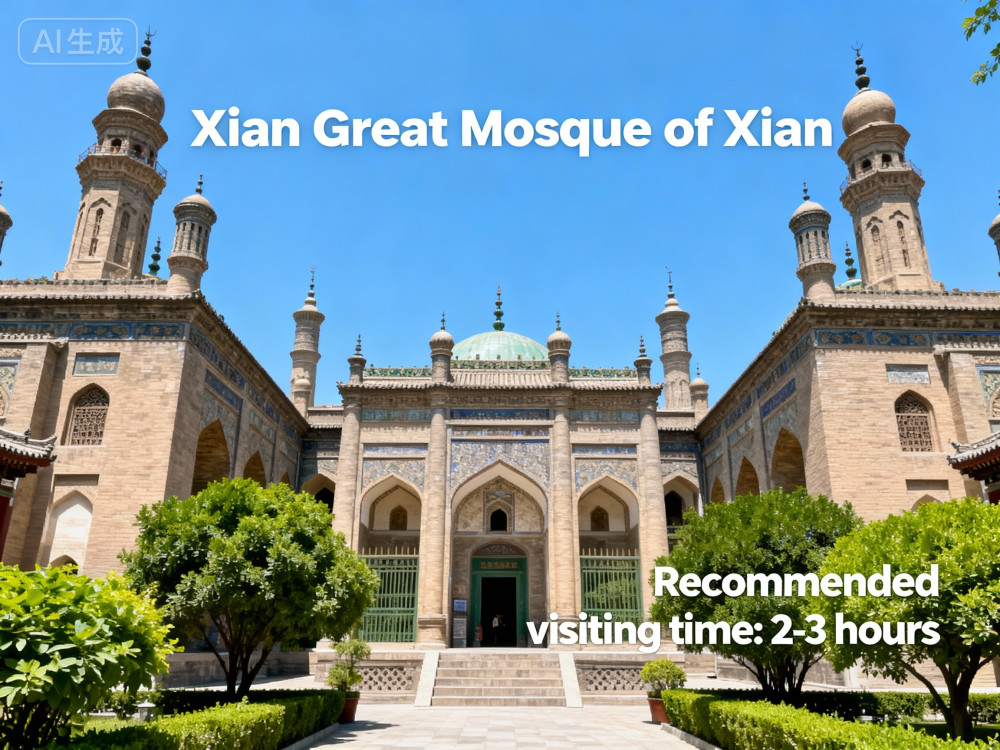
Key Information
Construction Period
Originally built 742 AD Tang Dynasty with subsequent expansions
Architectural Style
Chinese courtyard style with Islamic decorative elements
Religious Affiliation
Islam Sunni Hanafi school
Cultural Significance
National Key Cultural Relics Protection Unit
Community
Serves Xians Hui Muslim population
UNESCO Status
Part of Silk Roads the Routes Network of Chang'an-Tianshan Corridor
Best Time to Visit
Spring and autumn avoid prayer times on Fridays
Photography
Allowed in courtyards but not inside prayer hall during services
About Great Mosque of Xian
The Great Mosque of Xian is one of the oldest largest and best preserved Islamic mosques in China dating back to the Tang Dynasty in 742 AD during the reign of Emperor Xuanzong This remarkable site represents the harmonious integration of Islamic culture with traditional Chinese architecture creating a unique synthesis that reflects Xians historical role as the eastern terminus of the Silk Road Unlike typical Islamic mosques with domes and minarets this complex follows traditional Chinese courtyard layout with pavilions pagodas and gardens arranged along a central axis The mosque has served the local Hui Muslim community for over 1300 years and remains an active place of worship while also being a major cultural attraction The complex covers approximately 13000 square meters and features four successive courtyards each with distinct architectural elements and symbolic significance The preservation of both Islamic religious functions and Chinese architectural aesthetics makes this site a living testament to cultural exchange and religious tolerance in Chinese history
Things to Do
- Explore the four successive courtyards each with unique architectural features
- Admire the intricate stone carvings and calligraphy blending Arabic script with Chinese motifs
- Visit the prayer hall with its magnificent wooden ceiling and traditional Chinese roof
- Study the stone steles inscribed with historical records in both Chinese and Arabic
- Experience the peaceful atmosphere in the gardens and pavilions
- Observe the unique integration of Islamic symbols with Chinese architectural elements
- Learn about the history of Islam in China and the Hui Muslim community
- Photograph the beautiful moon gates wooden lattice windows and decorative brickwork