 Tourism Guide
Qin Shi Huang Mausoleum
The final resting place of China's first emperor and home to the world-famous Terracotta Army
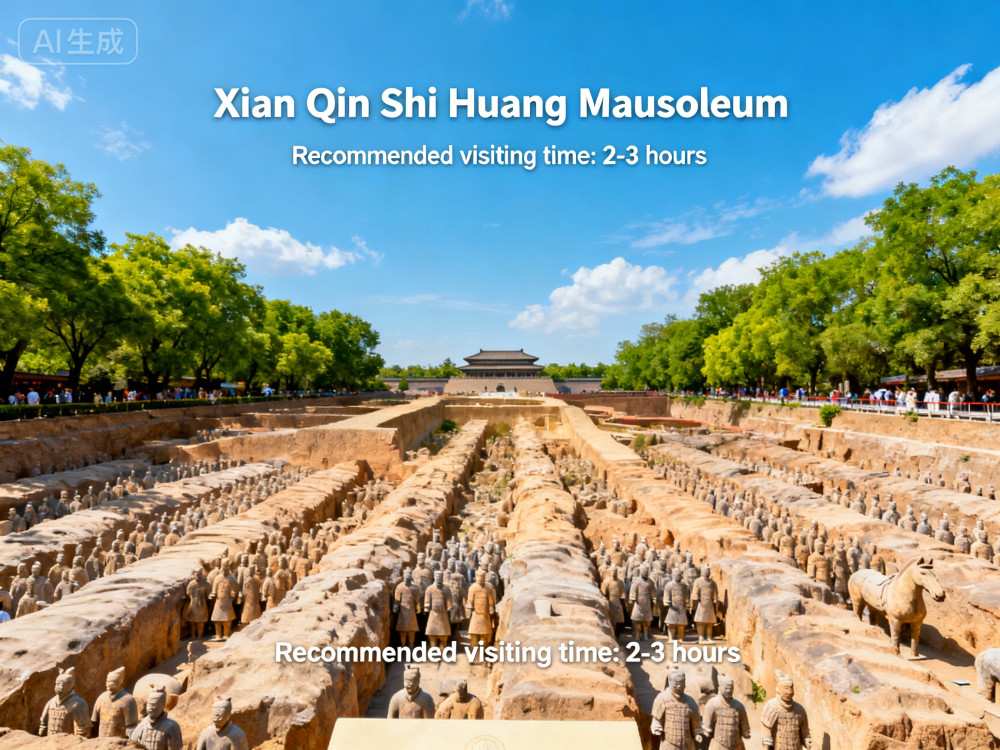
Key Information
UNESCO World Heritage Site
1987
Construction Period
246-208 BCE
Discovery Year
1974
Total Area
56 square kilometers
Terracotta Figures
Over 8,000 soldiers
Best Time to Visit
Spring and Autumn
Recommended Tour Type
Guided Tour
Photography
Allowed but no flash in pits
About Qin Shi Huang Mausoleum
Things to Do
- Explore the three main excavation pits containing the Terracotta Army
- Visit the Bronze Chariot and Horse Exhibition Hall
- Walk around the main burial mound of Emperor Qin Shi Huang
- Learn about the archaeological discoveries at the on-site museum
- Watch documentary films about the excavation process
- Observe the restoration workshops where archaeologists work on unearthed figures
- Take photos with the impressive life-sized terracotta warriors
- Visit the nearby Huaqing Hot Springs historical site
Related Guides

Xi'an 4-Day Itinerary Discover Ancient Wonders, Silk Road Heritage & Authentic Cuisine
This carefully crafted 4-day itinerary takes you through Xi'an's most iconic historical sites, cultural experiences, and culinary adventures. From the world-famous Terracotta Army to the ancient city walls, from the bustling Muslim Quarter to the serene Big Wild Goose Pagoda, you'll experience the essence of Chinese civilization where East met West along the Silk Road. The journey combines archaeological wonders, architectural marvels, traditional performances, and authentic local cuisine for a complete Xi'an experience.
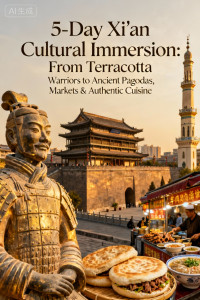
5-Day Xi'an Cultural Immersion From Terracotta Warriors to Ancient Pagodas, Markets & Authentic Cuisine
This 5-day itinerary immerses you in Xians rich cultural heritage from the world-famous Terracotta Army to ancient pagodas bustling markets and authentic local cuisine Experience the perfect blend of history culture and culinary delights in one of Chinas most historically significant cities