 Tourism Guide
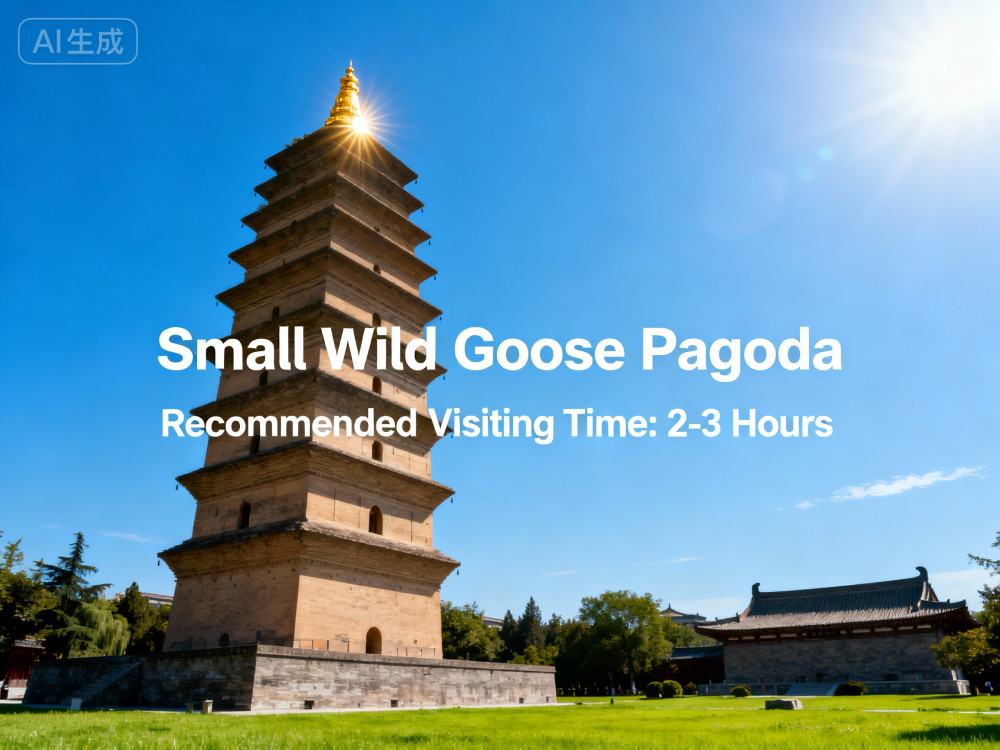
Small Wild Goose Pagoda
A UNESCO World Heritage site and one of the finest examples of Tang Dynasty Buddhist architecture
Key Information
Built Year
709 AD
Architectural Style
Tang Dynasty Brick Pagoda
Height
43.4 meters
Original Tiers
15
Current Tiers
13
UNESCO Status
World Heritage Site since 2014
Earthquake Survival
Survived 70+ earthquakes
Cultural Significance
Buddhist Sutra Repository
About Small Wild Goose Pagoda
Things to Do
- Climb to the top of the pagoda for panoramic views of Xian city
- Explore the Xi'an Museum adjacent to the pagoda complex
- Visit the ancient Jianfu Temple bell and try the bell ringing tradition
- Walk through the tranquil pagoda garden with traditional Chinese landscaping
- Admire the intricate brick carvings and architectural details of the pagoda
- Learn about the pagodas miraculous self-healing after earthquakes
- Photograph the pagoda against different backdrops throughout the day
- Attend cultural performances and exhibitions in the museum complex
Related Guides
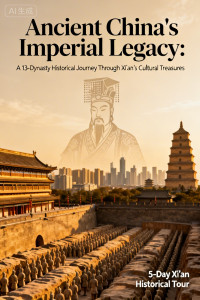
Ancient China's Imperial Legacy A 13-Dynasty Historical Journey Through Xi'an's Cultural Treasures
This immersive historical tour takes you deep into the heart of ancient China, where you'll witness the legacy of thirteen dynasties that ruled from this magnificent city. From the silent guardians of the First Emperor to the vibrant Muslim Quarter that preserves centuries of cultural exchange, every day reveals new layers of China's rich history. You'll walk along the world's best-preserved city walls, explore imperial palaces, and discover how Buddhism shaped Chinese culture through magnificent pagodas and temples. This journey is designed for history enthusiasts who want to understand China's imperial past and cultural evolution.
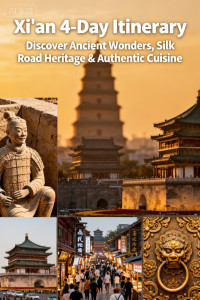
Xi'an 4-Day Itinerary Discover Ancient Wonders, Silk Road Heritage & Authentic Cuisine
This carefully crafted 4-day itinerary takes you through Xi'an's most iconic historical sites, cultural experiences, and culinary adventures. From the world-famous Terracotta Army to the ancient city walls, from the bustling Muslim Quarter to the serene Big Wild Goose Pagoda, you'll experience the essence of Chinese civilization where East met West along the Silk Road. The journey combines archaeological wonders, architectural marvels, traditional performances, and authentic local cuisine for a complete Xi'an experience.
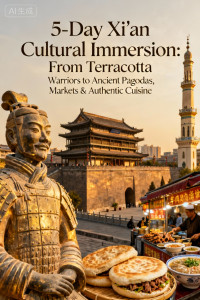
5-Day Xi'an Cultural Immersion From Terracotta Warriors to Ancient Pagodas, Markets & Authentic Cuisine
This 5-day itinerary immerses you in Xians rich cultural heritage from the world-famous Terracotta Army to ancient pagodas bustling markets and authentic local cuisine Experience the perfect blend of history culture and culinary delights in one of Chinas most historically significant cities