 Tourism Guide
Terracotta Army Museum
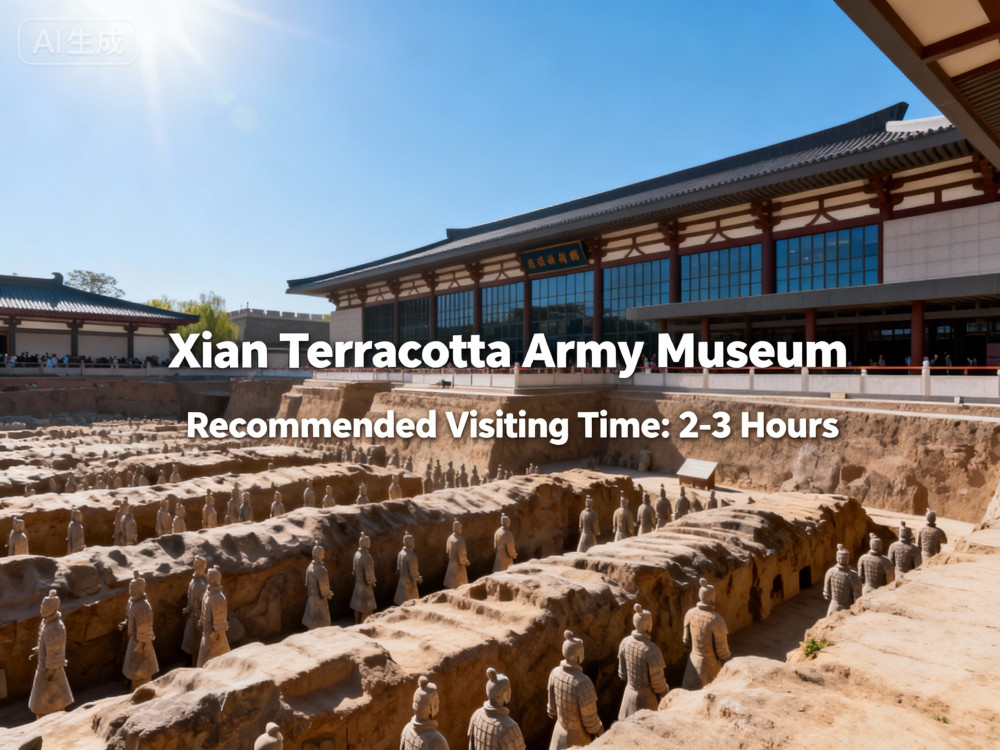
The Terracotta Army Museum is one of the most significant archaeological discoveries of the 20th century and a UNESCO World Heritage Site located in Xian Shaanxi Province
Key Information
UNESCO Status
World Heritage Site since 1987
Discovery Year
1974
Construction Period
246210 BCE
Total Area
16300 square meters
Estimated Warriors
Over 8000 figures
Best Time to Visit
March to May and September to November
Audio Guide
Available in multiple languages
Photography
Allowed but no flash in exhibition halls
About Terracotta Army Museum
Things to Do
- Explore Pit 1 the largest excavation site with over 6000 terracotta warriors arranged in battle formation
- Visit Pit 2 to see the command center with generals and officers in different formations
- Discover Pit 3 containing high ranking officers and a war chariot believed to be the army headquarters
- Admire the Bronze Chariots and Horses Exhibition Hall featuring two exquisitely crafted bronze chariots
- Learn about the excavation process and conservation techniques at the onsite museum
- Observe the detailed craftsmanship of individual warriors each with unique facial expressions
- Take photos with the life sized replicas available in the exhibition area
- Watch documentary films about the discovery and historical significance of the site
Related Guides
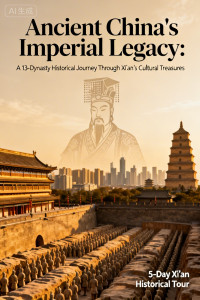
Ancient China's Imperial Legacy A 13-Dynasty Historical Journey Through Xi'an's Cultural Treasures
This immersive historical tour takes you deep into the heart of ancient China, where you'll witness the legacy of thirteen dynasties that ruled from this magnificent city. From the silent guardians of the First Emperor to the vibrant Muslim Quarter that preserves centuries of cultural exchange, every day reveals new layers of China's rich history. You'll walk along the world's best-preserved city walls, explore imperial palaces, and discover how Buddhism shaped Chinese culture through magnificent pagodas and temples. This journey is designed for history enthusiasts who want to understand China's imperial past and cultural evolution.
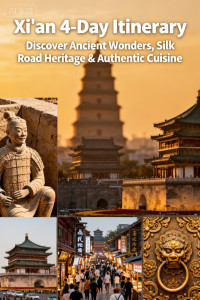
Xi'an 4-Day Itinerary Discover Ancient Wonders, Silk Road Heritage & Authentic Cuisine
This carefully crafted 4-day itinerary takes you through Xi'an's most iconic historical sites, cultural experiences, and culinary adventures. From the world-famous Terracotta Army to the ancient city walls, from the bustling Muslim Quarter to the serene Big Wild Goose Pagoda, you'll experience the essence of Chinese civilization where East met West along the Silk Road. The journey combines archaeological wonders, architectural marvels, traditional performances, and authentic local cuisine for a complete Xi'an experience.