 Tourism Guide
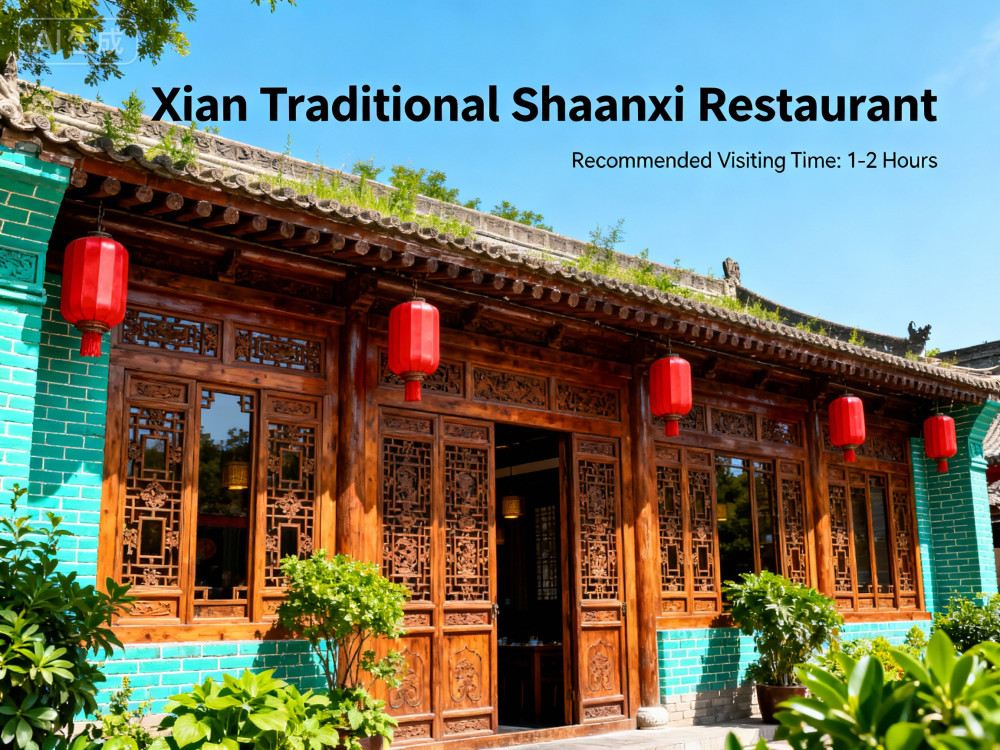
Traditional Shaanxi Restaurant
An authentic culinary journey through Shaanxi provinces rich gastronomic heritage where ancient flavors meet modern dining
Key Information
Cuisine Type
Shaanxi Northwestern Chinese
Signature Dish
Biang Biang Noodles
Historical Period
Tang Dynasty Influence
Silk Road Connection
Spice Trade Influences
Dining Style
Traditional Communal
Cooking Method
Handpulled Noodles Clay Oven Baking
Vegetarian Options
Available
English Menu
Available
Cultural Experience
Traditional Decor Staff Explanations
About Traditional Shaanxi Restaurant
Things to Do
- Sample authentic Biang Biang noodles handpulled to perfection with their distinctive wide flat shape and chewy texture
- Try the famous Roujiamo often called Chinese hamburger featuring slowbraised pork stuffed in crispy baked flatbread
- Experience the unique flavors of Yangrou Paomo a lamb stew where diners tear flatbread into small pieces to soak up the rich broth
- Taste traditional Liangpi cold skin noodles served with chili oil vinegar and various toppings
- Explore lesserknown Shaanxi specialties like Guokui baked flatbread with various fillings and Qishan noodles
- Learn about the cultural significance of Shaanxi cuisine from knowledgeable staff who explain the history behind each dish
- Observe traditional cooking techniques including handpulling noodles and baking in clay ovens
- Pair your meal with local beverages like Xifengjiu traditional liquor or Shaanxi tea varieties
Related Guides
Xi'an 4-Day Itinerary Discover Ancient Wonders, Silk Road Heritage & Authentic Cuisine
This carefully crafted 4-day itinerary takes you through Xi'an's most iconic historical sites, cultural experiences, and culinary adventures. From the world-famous Terracotta Army to the ancient city walls, from the bustling Muslim Quarter to the serene Big Wild Goose Pagoda, you'll experience the essence of Chinese civilization where East met West along the Silk Road. The journey combines archaeological wonders, architectural marvels, traditional performances, and authentic local cuisine for a complete Xi'an experience.
5-Day Xi'an Cultural Immersion From Terracotta Warriors to Ancient Pagodas, Markets & Authentic Cuisine
This 5-day itinerary immerses you in Xians rich cultural heritage from the world-famous Terracotta Army to ancient pagodas bustling markets and authentic local cuisine Experience the perfect blend of history culture and culinary delights in one of Chinas most historically significant cities