 Tourism Guide
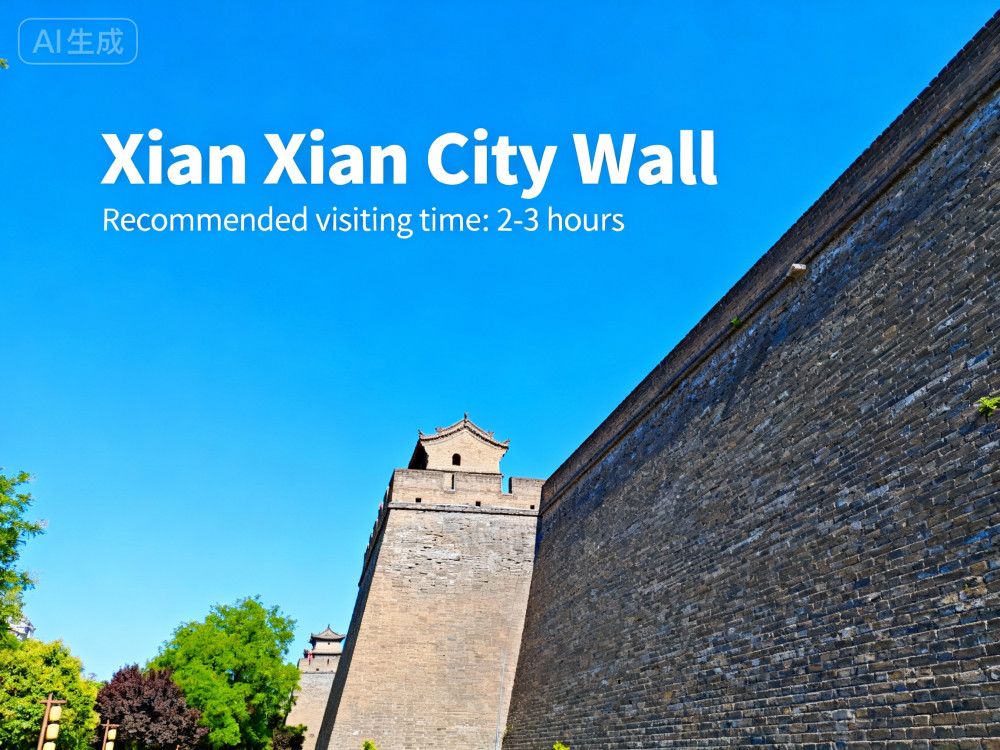
Xian City Wall
The magnificent Ming Dynasty fortification encircling Xian's historic center
Key Information
Construction Period
1370-1378 AD (Ming Dynasty)
Total Length
13.7 kilometers
Height
12 meters
Width at Top
12-14 meters
Number of Gates
4 main gates
UNESCO Status
Part of Silk Roads World Heritage Site
Best Time to Visit
Spring and Autumn
Special Features
Original moat, watchtowers, arrow slits
About Xian City Wall
The Xian City Wall is one of the largest and best-preserved ancient city walls in China, originally built during the Ming Dynasty in the 14th century under Emperor Zhu Yuanzhang. This massive fortification stretches 13.7 kilometers around the historic center of Xian, standing 12 meters high and 12-14 meters wide at the top. The wall features 98 ramparts, four main gates facing the cardinal directions, and a deep moat that once provided additional defense. What makes this wall particularly remarkable is that it follows the exact footprint of the original Tang Dynasty imperial city, connecting modern Xian with its glorious past as the eastern terminus of the Silk Road and capital of 13 dynasties. Visitors can walk, cycle, or take an electric cart along the broad top of the wall, enjoying panoramic views of both ancient architecture and modern cityscapes. The wall's construction represents advanced military engineering of its time, with watchtowers, battlements, and arrow slits designed for defense against invaders. Today, it serves as a living monument to Chinese architectural ingenuity and a peaceful green belt in the heart of one of China's most historically significant cities.
Things to Do
- Rent a bicycle and cycle the entire 13.7 kilometer circuit
- Walk along the ramparts and enjoy panoramic city views
- Visit the South Gate and watch the traditional gate opening ceremony
- Explore the wall museum to learn about its construction history
- Take an electric cart tour for a comfortable guided experience
- Photograph the ancient architecture against modern city backdrop
- Visit at night to see the beautifully illuminated wall
- Attend cultural performances at the wall during festivals