 Tourism Guide
Forest of Stone Steles Museum
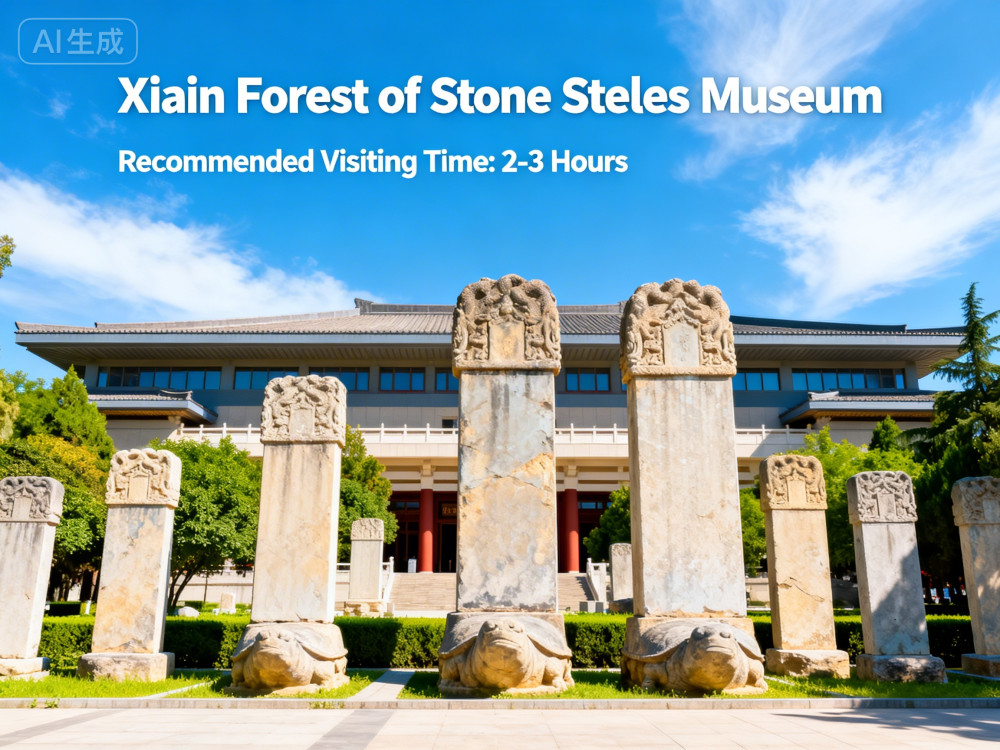
The Forest of Stone Steles Museum is a treasure trove of Chinese calligraphy and historical records preserving over 3000 stone steles and stone sculptures from various dynasties spanning more than 2000 years
Key Information
Established
1087 AD during Northern Song Dynasty
Collection Size
Over 3000 stone steles and sculptures
UNESCO Status
Part of Silk Roads World Heritage Site
Architectural Style
Traditional Chinese temple architecture
Best Time to Visit
Spring and Autumn seasons
Audio Guide
Available in multiple languages
Photography
Allowed without flash
Accessibility
Wheelchair accessible with some limitations
About Forest of Stone Steles Museum
Located within the historic Confucius Temple complex in Xian the Forest of Stone Steles Museum houses one of the worlds richest collections of stone inscriptions Established in 1087 during the Northern Song Dynasty this museum serves as a living library of Chinese civilization The collection includes steles from the Han Dynasty 206 BC220 AD through the Qing Dynasty 16441912 featuring classical texts historical records Buddhist scriptures poetry and official documents carved in stone The museums most famous treasures include the Kaicheng Stone Classics containing the complete Confucian classics and the Nestorian Stele documenting the arrival of Christianity in China during the Tang Dynasty Each stele is not only a historical document but also a masterpiece of Chinese calligraphy showcasing the evolution of writing styles from ancient seal script to modern regular script The museum complex itself is a beautiful example of traditional Chinese architecture with courtyards pavilions and gardens that create a serene atmosphere for contemplation and study
Things to Do
- Admire the Kaicheng Stone Classics carved in 837 AD containing the complete texts of the twelve Confucian classics
- Study the Nestorian Stele from 781 AD documenting the arrival of Nestorian Christianity in China during the Tang Dynasty
- Explore the calligraphy gallery featuring masterpieces by famous calligraphers like Wang Xizhi Yan Zhenqing and Liu Gongquan
- Examine the stone sculptures including Buddhist statues tomb guardians and architectural elements from various dynasties
- Visit the rubbing demonstration area to learn about traditional Chinese techniques for creating ink rubbings from stone inscriptions
- Walk through the tranquil courtyards and gardens designed in traditional Chinese style with ancient trees and stone pathways
- Attend calligraphy workshops and cultural demonstrations offered seasonally by the museum