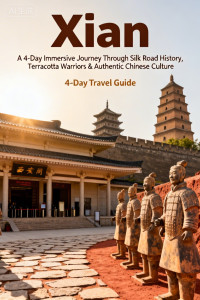
 Tourism Guide
Qin Shi Huang Mausoleum
The final resting place of China's first emperor and home to the world-famous Terracotta Army

Key Information
UNESCO World Heritage Status
1987
Construction Period
246-208 BC
Discovery Year
1974
Total Area
56 square kilometers
Terracotta Warriors Count
Over 8,000
Construction Workforce
700,000 workers
Burial Mound Height
76 meters
Main Tomb Status
Unexcavated
About Qin Shi Huang Mausoleum
The Qin Shi Huang Mausoleum is one of the most significant archaeological discoveries of the 20th century and a UNESCO World Heritage Site. Built over 38 years by 700,000 workers, this massive burial complex was constructed for Qin Shi Huang, the first emperor who unified China in 221 BC. The site covers approximately 56 square kilometers and features the famous Terracotta Army - thousands of life-sized clay soldiers, horses, and chariots arranged in battle formation to protect the emperor in the afterlife. The mausoleum itself remains largely unexcavated, with the main tomb mound still containing the emperor's remains and untold treasures. The complex represents the pinnacle of ancient Chinese funerary art and engineering, showcasing the power and ambition of China's first centralized empire.
Things to Do
- Explore the three main pits containing the Terracotta Army
- Visit the Bronze Chariot and Horse Exhibition Hall
- Walk around the massive burial mound of Emperor Qin Shi Huang
- Learn about the archaeological discoveries at the on-site museum
- Watch documentary films about the excavation process
- See the reconstructed kneeling archer and other individual statues
- Visit the surrounding archaeological sites within the mausoleum complex
- Take photos with the iconic terracotta warriors as backdrop