 Tourism Guide
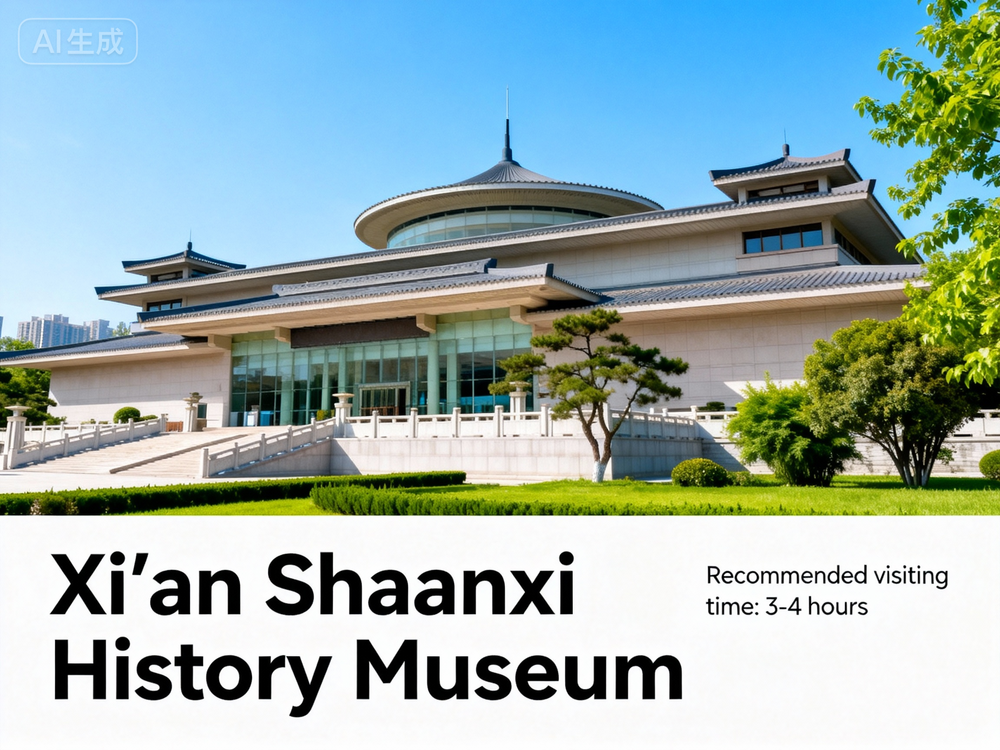
Shaanxi History Museum
A treasure trove of ancient Chinese civilization showcasing over 370000 artifacts spanning more than one million years of history
Key Information
Established
1991
Architectural Style
Tang Dynasty
Total Area
65000 square meters
Collection Size
Over 370000 artifacts
Exhibition Halls
7 main halls
UNESCO Status
Part of Silk Road World Heritage
Best Time to Visit
Weekday mornings
Audio Guide
Available in multiple languages
The Shaanxi History Museum stands as one of China's most prestigious museums housing an unparalleled collection of cultural relics from the ancient capital region As the first large scale modern national museum in China it showcases the glorious history of Shaanxi Province which served as the capital for 13 dynasties including the mighty Zhou Qin Han and Tang dynasties The museums magnificent Tang dynasty architectural style reflects the golden age of Chinese civilization while its extensive collections include priceless bronze ware exquisite gold and silver artifacts ancient pottery and terracotta figures and rare murals from Tang tombs Each exhibition hall tells a different chapter of Shaanxis rich history from prehistoric times through the imperial eras offering visitors a comprehensive journey through Chinas most formative periods
Things to Do
- Explore the First Exhibition Hall featuring prehistoric artifacts and Zhou dynasty bronzes
- Admire the magnificent Tang dynasty gold and silver treasures in the Second Exhibition Hall
- Discover the famous Tang dynasty murals in the special exhibition area
- Study the evolution of Chinese calligraphy through ancient stone inscriptions
- Experience the Han dynasty terracotta figures and burial objects
- Learn about the Silk Road trade through artifacts from various civilizations
- Appreciate the exquisite craftsmanship of ancient jade and bronze ritual vessels
- Take a guided tour to understand the historical context of key artifacts
- Visit the museums special temporary exhibitions on rotating themes