 Tourism Guide
Terracotta Army Museum
The Eighth Wonder of the World - Discover Emperor Qin Shi Huang's Eternal Army
Key Information
UNESCO Status
World Heritage Site since 1987
Discovery Year
1974
Construction Period
246-208 BC
Total Area
16,300 square meters
Number of Figures
Approximately 8,000 soldiers
Best Time to Visit
March to June and September to November
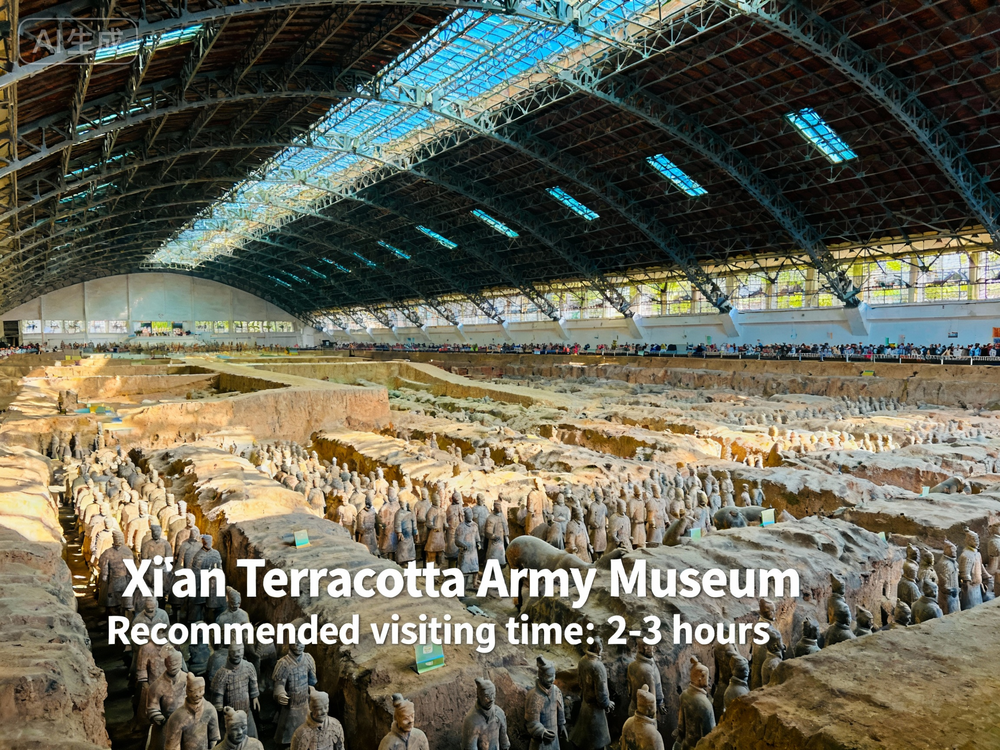
The Terracotta Army Museum is one of the most significant archaeological discoveries of the 20th century. Located about 30 kilometers east of Xi'an, this UNESCO World Heritage site contains thousands of life-sized terracotta soldiers, horses, and chariots that were buried with China's first emperor, Qin Shi Huang, to protect him in the afterlife. Discovered by local farmers in 1974, the army consists of three main pits containing approximately 8,000 soldiers, 130 chariots with 520 horses, and 150 cavalry horses, each with unique facial features and military ranks. The museum complex includes the excavation pits, exhibition halls, and the nearby Mausoleum of Qin Shi Huang, which remains largely unexcavated.
Things to Do
- Explore Pit 1 - the largest excavation site with thousands of infantry soldiers in battle formation
- Visit Pit 2 - featuring cavalry units
- chariots
- and archers in various military formations
- Discover Pit 3 - the command post with high-ranking officers and a war chariot
- See the Bronze Chariots and Horses Exhibition - exquisite bronze artifacts from the Qin Dynasty
- Learn at the Exhibition Hall - detailed displays about the discovery and restoration process
- Watch documentary films about the terracotta warriors and their historical significance
- Visit the nearby Mausoleum of Qin Shi Huang - the emperor's burial mound
- Shop for authentic terracotta warrior replicas and souvenirs