Panxi Restaurant
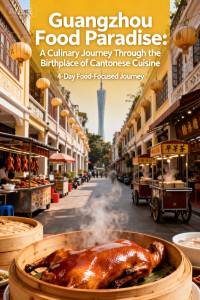
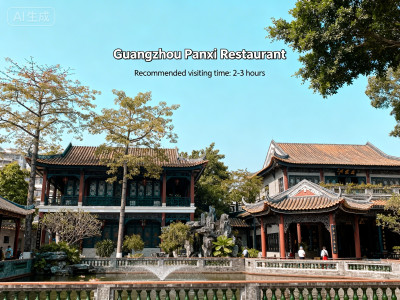
Panxi Restaurant is a legendary Cantonese dining establishment that has been serving authentic Guangzhou cuisine since 1947. Situated in the picturesque Liwan Lake Park, this restaurant is famous for its traditional Lingnan-style architecture featuring pavilions, corridors, and courtyards that create a serene dining atmosphere. The restaurant spans over 10,000 square meters with multiple dining halls and private rooms, some overlooking the tranquil lake. Panxi is renowned for preserving traditional Cantonese cooking techniques while offering a wide variety of dim sum, seafood dishes, and classic Guangzhou specialties. The restaurant has hosted numerous dignitaries and celebrities over the decades and remains a beloved institution for both locals and tourists seeking an authentic Cantonese dining experience.
 Tourism Guide