Skip to content

Changchun · Attraction

Peoples Square

The political and cultural heart of Changchun featuring Soviet-inspired architecture and symbolic monuments

ChangchunIn the destination guideChangchunExplore
Peoples Square
Changchun, ChinaField notes · Attraction
ChangchunHistoricalArchitectureMonument

Why go

About Peoples Square

Peoples Square also known as Renmin Square is the central public square of Changchun Jilin Province Originally constructed during the Japanese occupation period and later redesigned with Soviet influence this expansive square serves as both a political center and cultural gathering space The square features a distinctive radial layout with eight major roads converging at its center creating a star-shaped pattern that symbolizes unity and progress At the heart of the square stands the Monument to the Peoples Heroes a towering granite structure commemorating revolutionary martyrs Surrounding the monument are meticulously maintained gardens seasonal flower displays and fountains that create a serene urban oasis The squares architecture reflects Changchuns unique history as the former capital of Manchukuo with buildings showcasing a blend of Soviet neoclassical and traditional Chinese design elements Throughout the year Peoples Square hosts various cultural events military parades and public celebrations making it a living testament to Changchuns political and social evolution

Make time for

Practical ideas, not a checklist

  1. 01Admire the Monument to the Peoples Heroes and learn about revolutionary history
  2. 02Walk through the radial pathways and appreciate the unique urban design
  3. 03Photograph the seasonal flower arrangements and garden displays
  4. 04Observe the surrounding government buildings and their architectural styles
  5. 05Attend cultural events or public celebrations when scheduled
  6. 06Relax in the green spaces and enjoy the urban oasis atmosphere
  7. 07Study the Soviet-inspired architectural elements throughout the square
  8. 08Watch the fountain displays during warmer months

Good to know

Historical Period
Japanese occupation and post-liberation era
Architectural Style
Soviet neoclassical with Chinese elements
Square Area
Approximately 120000 square meters
Main Feature
Monument to the Peoples Heroes
Best Visiting Season
Spring to Autumn
Cultural Significance
Political center and historical landmark
More in Changchun

Keep the day
unfolding.

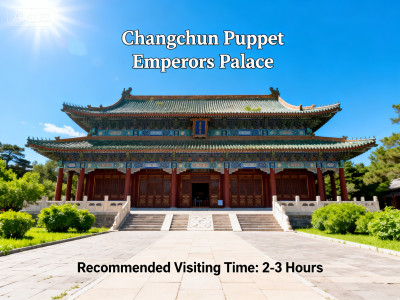
Puppet Emperors PalaceChangchun

Puppet Emperors Palace

The Puppet Emperors Palace also known as the Manchukuo Imperial Palace is a significant historical site in Changchun Jilin Province It served as the official residence of Puyi the last emperor of the Qing Dynasty who was installed as the puppet emperor of the Japanesecontrolled state of Manchukuo from 1932 to 1945 The palace complex consists of several buildings including the main palace living quarters offices and gardens reflecting a blend of Chinese and Japanese architectural styles The site now serves as a museum showcasing the history of Manchukuo Puyis life and the Japanese occupation period Visitors can explore the wellpreserved rooms view historical artifacts photographs and documents and gain insight into this complex period of Chinese history The palace stands as a poignant reminder of national humiliation and resistance during wartime

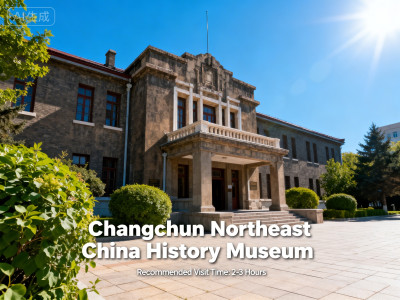
Northeast China History MuseumChangchun

Northeast China History Museum

The Northeast China History Museum stands as one of the most important cultural institutions in Jilin Province offering visitors an immersive journey through the regions fascinating past Located in Changchun the museum houses over 100000 artifacts spanning from prehistoric times through various dynastic periods to the modern development of Northeast China The exhibitions are thoughtfully curated to highlight the unique cultural characteristics ethnic diversity and historical significance of this strategically important region of China The museums architecture itself is a blend of traditional Chinese elements with modern design creating an inspiring space for cultural exploration

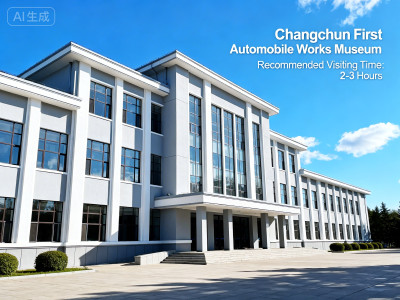
First Automobile Works MuseumChangchun

First Automobile Works Museum

The First Automobile Works Museum stands as a living testament to Chinas industrial revolution and automotive heritage Located within the original FAW factory complex this museum chronicles the birth and evolution of Chinas automobile industry from the first domestically produced truck in 1956 to modern automotive innovations The museum occupies historic factory buildings where the legendary Jiefang CA10 truck rolled off the assembly line marking Chinas entry into the automotive age Visitors can explore authentic production lines vintage vehicles and interactive exhibits that showcase the technological advancements and cultural significance of Chinas automotive journey The museum not only displays vehicles but also preserves the stories of workers engineers and visionaries who built Chinas automotive industry from scratch making it a mustvisit destination for automotive enthusiasts and history buffs alike