Skip to content

More of China · Destination

Beijing

The Imperial Capital Where Ancient Majesty Meets Modern Marvels

Capital CityNotes updated October 1, 2025
Beijing
Beijing, ChinaField notes

4 guides · 6 places to start

The place

About Beijing

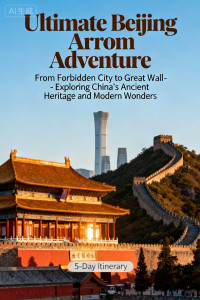
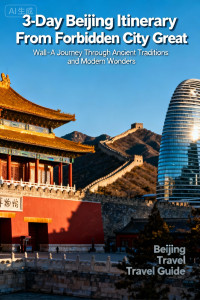
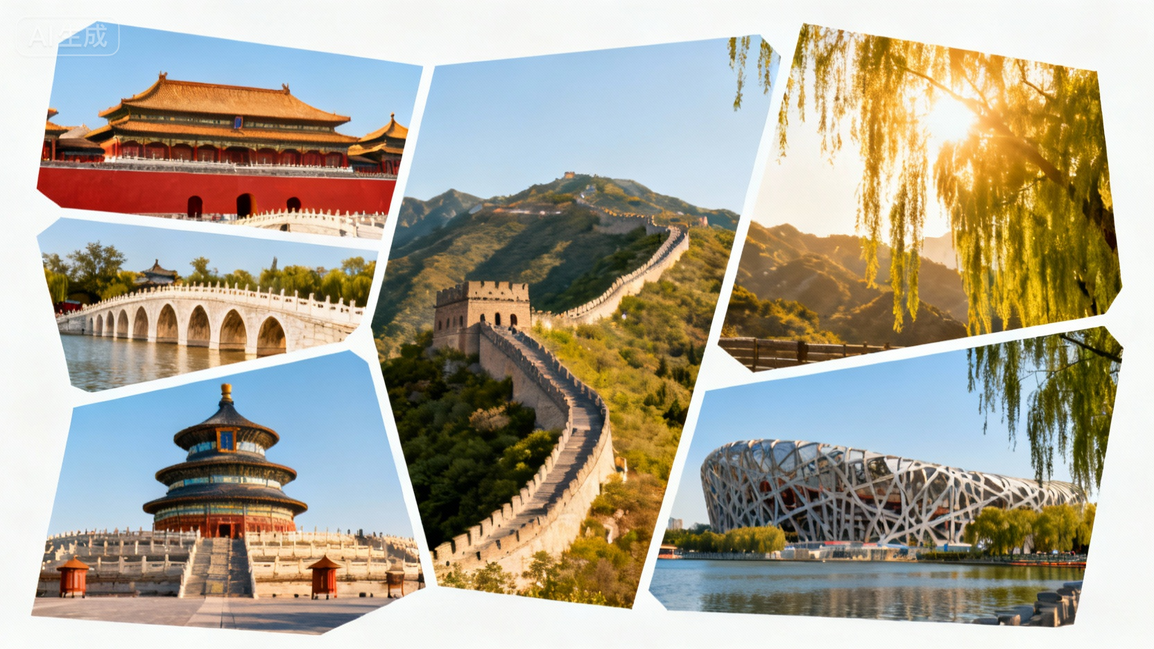
Beijing, China's capital for over 800 years, stands as a magnificent testament to imperial grandeur and contemporary dynamism. This sprawling metropolis of 21 million people serves as the political, cultural, and educational heart of the nation, where ancient palaces and temples coexist with futuristic skyscrapers and avant-garde architecture. As the seat of the Ming and Qing dynasties, Beijing preserves the world's largest collection of imperial architecture, including the Forbidden City, Temple of Heaven, and Summer Palace.

The city's distinctive layout follows strict cosmological principles, with the Forbidden City at its center and concentric ring roads expanding outward. Beyond its historical treasures, Beijing has transformed into a global city hosting international events like the 2008 Olympics and 2022 Winter Olympics, showcasing China's rapid modernization while honoring its profound cultural heritage.

Things worth doing

A good place to begin

  1. 01Explore the Forbidden Citys 980 buildings and 8
  2. 02886 rooms that housed Chinese emperors for nearly 500 years
  3. 03Walk along the Great Wall at Mutianyu or Badaling sections experiencing this ancient defensive marvel
  4. 04Visit the Temple of Heaven where emperors performed annual ceremonies for good harvests
  5. 05Stroll through the Summer Palace to admire imperial gardens and Kunming Lake
  6. 06Experience traditional hutong neighborhoods by rickshaw discovering courtyard homes and local life
  7. 07Sample Beijing Roast Duck at historic Quanjude or Da Dong restaurants
  8. 08Browse Panjiayuan Antique Market for traditional crafts and cultural artifacts
  9. 09Attend a Peking Opera performance at Liyuan Theater with its distinctive makeup and singing
  10. 10Climb Jingshan Park for panoramic views of the Forbidden Citys golden roofs
  11. 11Explore the 798 Art District in converted factory buildings showcasing contemporary Chinese art
Worth the detour

Places to see
while you are here.

A starting point for Beijing — from the landmarks you already know to the quieter corners worth making time for.

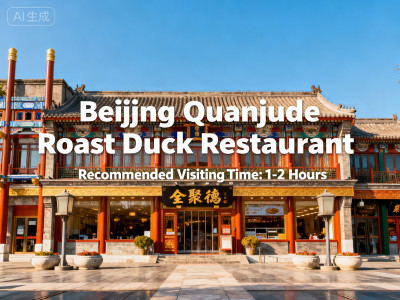
Quanjude Roast Duck RestaurantBeijing

Quanjude Roast Duck Restaurant

Quanjude is the most famous Peking Duck restaurant in the world, known for its meticulous preparation using open-wood fire ovens and time-honored recipes passed down through generations. The restaurant offers an authentic imperial dining experience.

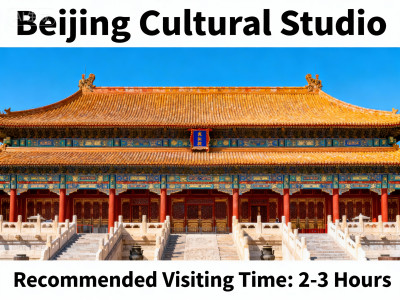
Cultural StudioBeijing

Cultural Studio

Cultural Studio is a unique destination in Beijing that offers visitors an authentic and interactive experience of traditional Chinese culture. Located in the heart of the city, this studio provides a comprehensive introduction to various aspects of Chinese heritage including calligraphy, painting, pottery, paper cutting, and traditional music. The studio is designed as both an educational space and a creative workshop where visitors can learn directly from master artisans who have dedicated their lives to preserving these ancient arts. The environment combines traditional Chinese aesthetics with modern facilities, creating a perfect setting for cultural immersion. Visitors can participate in guided workshops, watch live demonstrations, and create their own cultural artifacts to take home as meaningful souvenirs. The studio also features a gallery showcasing exquisite works by contemporary Chinese artists who are keeping traditional techniques alive while adding modern interpretations. This is not just a tourist attraction but a living cultural institution that bridges the gap between ancient traditions and contemporary appreciation.

Artisan WorkshopBeijing

Artisan Workshop

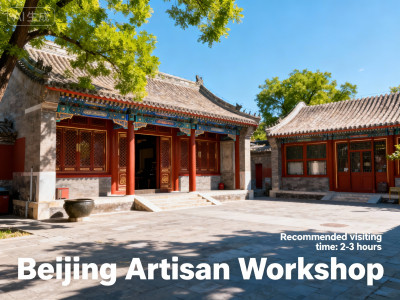
Nestled in the historic hutongs of Beijing, the Artisan Workshop offers visitors a unique opportunity to step into the world of traditional Chinese craftsmanship. This immersive cultural experience center showcases the living heritage of China's artisan traditions, from intricate cloisonné enamel work and delicate porcelain painting to traditional woodblock printing and silk embroidery. The workshop is housed in a beautifully restored courtyard residence that dates back to the Qing Dynasty, providing an authentic atmosphere for learning about China's rich artistic legacy. Master craftsmen and women, many from families with generations of experience, guide visitors through the processes that have defined Chinese art for centuries. The workshop not only preserves these endangered skills but also makes them accessible to international visitors through hands-on sessions, demonstrations, and cultural storytelling. Each activity is designed to connect participants with the philosophical and aesthetic principles underlying Chinese art, from the harmony of yin and yang to the balance of form and function.

798 Art ZoneBeijing

798 Art Zone

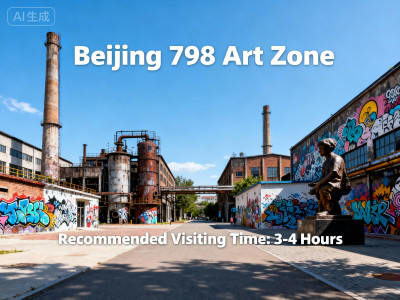
The 798 Art Zone also known as Dashanzi Art District is a thriving arts community located in the Chaoyang District of Beijing It occupies a complex of 1950s Bauhausstyle factory buildings originally built for military electronics production by East German architects Today this industrial heritage site has been transformed into one of Chinas most dynamic contemporary art centers with over 200 galleries studios cafes and boutiques The area showcases the perfect fusion of industrial architecture modern art and creative culture representing Beijings transformation from industrial powerhouse to cultural capital

Traditional Opera TheaterBeijing

Traditional Opera Theater

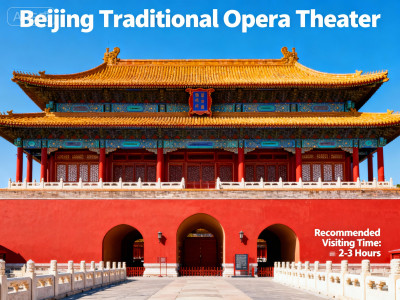
The Traditional Opera Theater in Beijing stands as a magnificent cultural institution dedicated to preserving and presenting the exquisite art of Chinese opera particularly Peking Opera which is recognized by UNESCO as an Intangible Cultural Heritage of Humanity This theater offers visitors an immersive journey into the world of traditional Chinese performing arts where vibrant costumes intricate makeup symbolic movements and melodious singing converge to tell timeless stories from Chinese history and mythology The venue itself is a masterpiece of traditional Chinese architecture featuring ornate decorations red lacquered columns and intricate wood carvings that transport audiences back to imperial times Each performance is a feast for the senses combining martial arts acrobatics music and drama in a unique theatrical form that has captivated audiences for centuries The theater provides English subtitles and program notes ensuring international visitors can fully appreciate the nuanced storytelling and cultural significance of each performance

Opera MuseumBeijing

Opera Museum

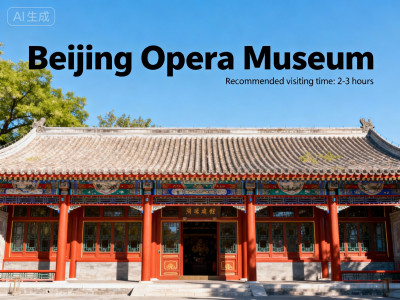
The Beijing Opera Museum, also known as the Peking Opera Museum, is a specialized cultural institution dedicated to preserving and promoting the art of Chinese opera, particularly Peking Opera which is recognized as a UNESCO Intangible Cultural Heritage. Housed within the historic Huguang Guild Hall, a beautifully preserved Qing Dynasty architectural complex dating back to 1807, the museum offers visitors a comprehensive journey through the evolution of Chinese opera arts. The museum complex itself is an architectural masterpiece featuring traditional courtyard layouts, intricate wood carvings, and classic Chinese garden elements that provide an authentic historical atmosphere for experiencing this traditional art form. The exhibitions cover various aspects of opera including costumes, makeup, musical instruments, scripts, and stage props, with detailed explanations of the symbolic meanings behind different colors, patterns, and designs used in traditional Chinese opera performances. Visitors can explore the original theater stage where famous opera masters once performed, and learn about the four main role types in Peking Opera: Sheng (male roles), Dan (female roles), Jing (painted face roles), and Chou (clown roles). The museum also hosts regular live performances, workshops, and demonstrations where visitors can witness the intricate process of applying traditional opera makeup and see authentic costumes up close. This immersive experience provides deep insights into one of China's most cherished cultural traditions and its enduring influence on Chinese performing arts.