
Skip to content

Beijing · Attraction

Beijing Wholesale Markets

A comprehensive guide to Beijings vibrant wholesale market scene offering everything from fashion to food

BeijingIn the destination guideBeijingExplore
Beijing Wholesale Markets
Beijing, ChinaField notes · Attraction
Beijingshoppingwholesalebargaining

Why go

About Beijing Wholesale Markets

Beijing boasts a diverse array of wholesale markets that serve as commercial hubs for traders retailers and bargain hunters These markets offer everything from clothing and textiles to electronics accessories and fresh produce The wholesale market culture in Beijing reflects the citys role as a major commercial center in northern China with markets operating on different scales from massive international trading centers to specialized local markets Many of these markets have evolved from traditional trading posts to modern commercial complexes while retaining their bustling energetic atmosphere

Make time for

Practical ideas, not a checklist

  1. 01Explore the Silk Street Market for fashion and textiles
  2. 02Visit the Panjiayuan Antique Market for traditional crafts
  3. 03Browse the Yashow Market for clothing and accessories
  4. 04Experience the Dazhongsi Electronics Market for gadgets
  5. 05Discover the Xidan Market for wholesale fashion
  6. 06Visit the Beijing Zoo Wholesale Market for textiles
  7. 07Explore the Dahongmen Clothing Market for bulk purchases
  8. 08Check out the Wangfujing Wholesale Market area
  9. 09Visit the Beijing International Trade Market
  10. 10Explore agricultural wholesale markets for fresh produce

Good to know

Best Time to Visit
Morning hours for fresh stock and better deals
Bargaining Tips
Always negotiate prices especially for bulk purchases
Payment Methods
Cash preferred though some accept digital payments
Language
Basic Mandarin helpful but many vendors know basic English
Transportation
Most markets accessible by subway and bus
Shopping Tips
Bring reusable bags and be prepared for crowded conditions
Market Types
Clothing textiles electronics antiques food produce
Cultural Significance
Reflects Beijings commercial history and trading traditions
More in Beijing

Keep the day
unfolding.

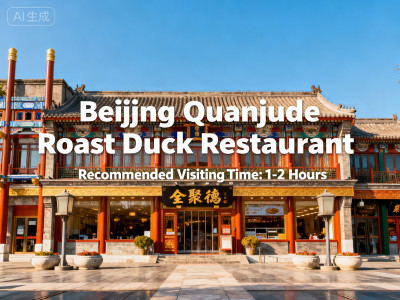
Quanjude Roast Duck RestaurantBeijing

Quanjude Roast Duck Restaurant

Quanjude is the most famous Peking Duck restaurant in the world, known for its meticulous preparation using open-wood fire ovens and time-honored recipes passed down through generations. The restaurant offers an authentic imperial dining experience.

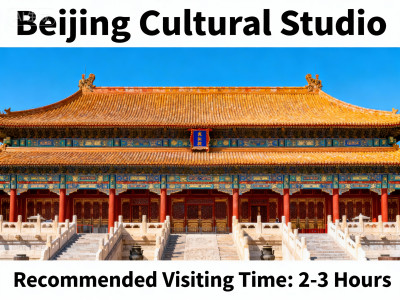
Cultural StudioBeijing

Cultural Studio

Cultural Studio is a unique destination in Beijing that offers visitors an authentic and interactive experience of traditional Chinese culture. Located in the heart of the city, this studio provides a comprehensive introduction to various aspects of Chinese heritage including calligraphy, painting, pottery, paper cutting, and traditional music. The studio is designed as both an educational space and a creative workshop where visitors can learn directly from master artisans who have dedicated their lives to preserving these ancient arts. The environment combines traditional Chinese aesthetics with modern facilities, creating a perfect setting for cultural immersion. Visitors can participate in guided workshops, watch live demonstrations, and create their own cultural artifacts to take home as meaningful souvenirs. The studio also features a gallery showcasing exquisite works by contemporary Chinese artists who are keeping traditional techniques alive while adding modern interpretations. This is not just a tourist attraction but a living cultural institution that bridges the gap between ancient traditions and contemporary appreciation.

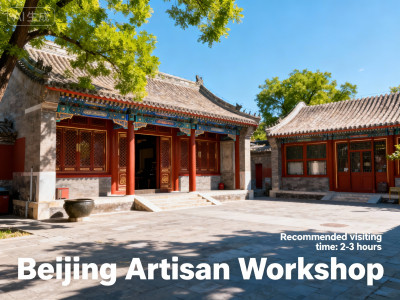
Artisan WorkshopBeijing

Artisan Workshop

Nestled in the historic hutongs of Beijing, the Artisan Workshop offers visitors a unique opportunity to step into the world of traditional Chinese craftsmanship. This immersive cultural experience center showcases the living heritage of China's artisan traditions, from intricate cloisonné enamel work and delicate porcelain painting to traditional woodblock printing and silk embroidery. The workshop is housed in a beautifully restored courtyard residence that dates back to the Qing Dynasty, providing an authentic atmosphere for learning about China's rich artistic legacy. Master craftsmen and women, many from families with generations of experience, guide visitors through the processes that have defined Chinese art for centuries. The workshop not only preserves these endangered skills but also makes them accessible to international visitors through hands-on sessions, demonstrations, and cultural storytelling. Each activity is designed to connect participants with the philosophical and aesthetic principles underlying Chinese art, from the harmony of yin and yang to the balance of form and function.