Skip to content

More of China · Destination

Shanghai

The Oriental Pearl where East meets West

MetropolisNotes updated October 1, 2025
Shanghai
Shanghai, ChinaField notes

3 guides · 6 places to start

The place

About Shanghai

Shanghai is China's largest city and global financial hub, a dazzling metropolis where futuristic skyscrapers stand alongside historic colonial architecture. Known as the Paris of the East, this vibrant city seamlessly blends Chinese tradition with Western influences, creating a unique cultural tapestry that captivates visitors from around the world. From the iconic Bund waterfront to the soaring towers of Pudong, Shanghai represents China's rapid modernization while preserving its rich historical heritage.

Things worth doing

A good place to begin

  1. 01Walk along the historic Bund waterfront with its colonial-era buildings
  2. 02Ascend the Shanghai Tower for breathtaking panoramic city views
  3. 03Explore the traditional Yu Garden and Old City area
  4. 04Experience the vibrant nightlife and shopping on Nanjing Road
  5. 05Visit the Shanghai Museum to see ancient Chinese art and artifacts
  6. 06Take a Huangpu River cruise to see the city from the water
  7. 07Discover the French Concession's charming tree-lined streets and cafes
  8. 08Enjoy authentic Shanghai cuisine including xiaolongbao soup dumplings

Worth the detour

Places to see
while you are here.

A starting point for Shanghai — from the landmarks you already know to the quieter corners worth making time for.

Guangfulin Relics ParkShanghai

Guangfulin Relics Park

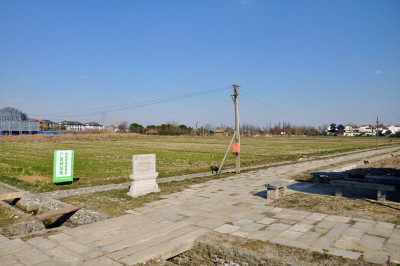
Guangfulin Relics Park preserves the site of a prehistoric culture that flourished along the shores of an ancient lake near Songjiang. Excavations revealed rice cultivation, pottery, and wooden structures dating back about 5,000 years. The park's most striking feature is the underwater museum with pyramid-shaped roofs rising from the water. Free to enter, with museums such as the cultural and archaeological halls charged separately.

Sheshan National Forest ParkShanghai

Sheshan National Forest Park

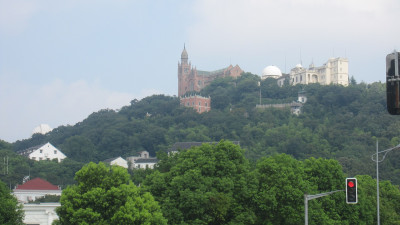
Sheshan National Forest Park surrounds West and East Sheshan, the highest natural points in Shanghai's hinterland. The summit of West Sheshan is crowned by the red-brick Sheshan Basilica, a popular pilgrimage site, and the 1899 Sheshan Observatory. East Sheshan offers quieter trails and views over the Songjiang plain. Both hills can be climbed in a few hours and are free to enter.

Dongping National Forest ParkShanghai

Dongping National Forest Park

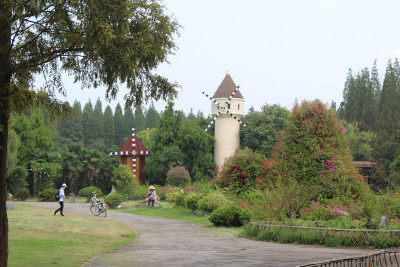
Dongping National Forest Park is the largest forest park in Shanghai, covering about 540 hectares in the center of Chongming Island. Its dense groves of metasequoia and camphor trees create mossy, quiet paths, with lakes and picnic lawns between them. Visitors can rent bikes, try tree-climbing courses, or stay overnight in forest cabins. The park is reached by a car ride across the Yangtze River bridges.

Shanghai Happy ValleyShanghai

Shanghai Happy Valley

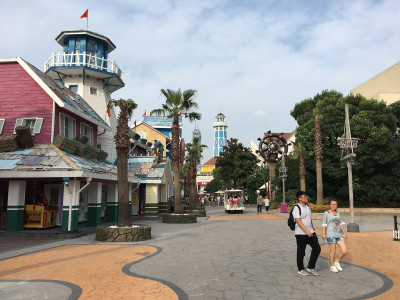
Shanghai Happy Valley opened in 2009 near Sheshan in Songjiang and is among the largest theme parks in China. Thrill rides include the 'Diving Coaster', a wooden coaster, and the 120-meter 'Absolute Velocity' launch coaster. The park also has family zones, a water park, and frequent seasonal festivals such as the summer carnival and Halloween nights. It is about an hour from central Shanghai by metro and taxi.

Shanghai Haichang Ocean ParkShanghai

Shanghai Haichang Ocean Park

Shanghai Haichang Ocean Park opened in 2018 and is one of China's largest ocean theme parks. Five ocean 'worlds' feature polar bears, penguins, dolphins, and whale sharks, with a giant orca show arena at the center. The park also has an underwater tunnel and a 'Volcano Whale Shark Pavilion'. It sits in the Nanhui area of Pudong, close to the Dishui Lake district.

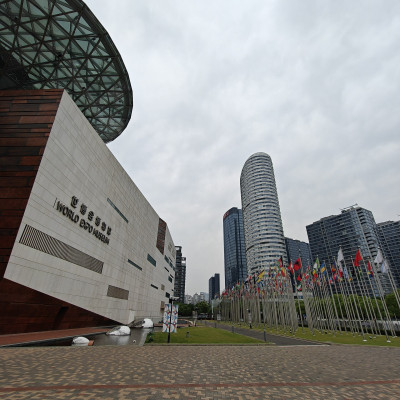
Shanghai Expo MuseumShanghai

Shanghai Expo Museum

Shanghai Expo Museum sits on the former site of Expo 2010 and is dedicated to the history of world expositions. Its eight permanent galleries trace the Expo movement from London 1851, with interactive displays, original artifacts, and a children's zone. The building was designed by the same architect as the China Pavilion. Admission is free, with special exhibitions charged separately.